Christmas curtains are seasonal window treatments built for winter: warm fabrics, cozy light, and colors that clearly say “holiday”. Pick your fabric first, because the fiber and weight determine insulation and how the panel hangs. Then choose the color that best fits your space and your tree, and you’re golden.
-
Fabric: Go by performance. Velvet and thermal fabrics trap heat. Blackout blocks glare and drafts. Linen has a relaxed look but is still practical.
-
Style: Match the room. Formal spaces love velvet; family zones lean toward linen; layered sheers soften the view over a solid base.
-
Color: Pick one primary shade and repeat it in ribbons, wreaths, and throw pillows. Red, green, gold, white, and plaid all play nicely.
At FabricMill, we help homeowners choose materials and linings every day. Below, we take a closer look at how each option looks/feels, how warm it is, and why it clicks with Christmas décor.
Best types of fabrics for Christmas curtains
The type of fabric you choose determines the warmth, drape, and daily care of your curtains. Start with the base material, then stack blackout or thermal interlining if your windows run chilly. Use quality rods and rings so that the panels move smoothly and there’s no snagging while guests are watching.
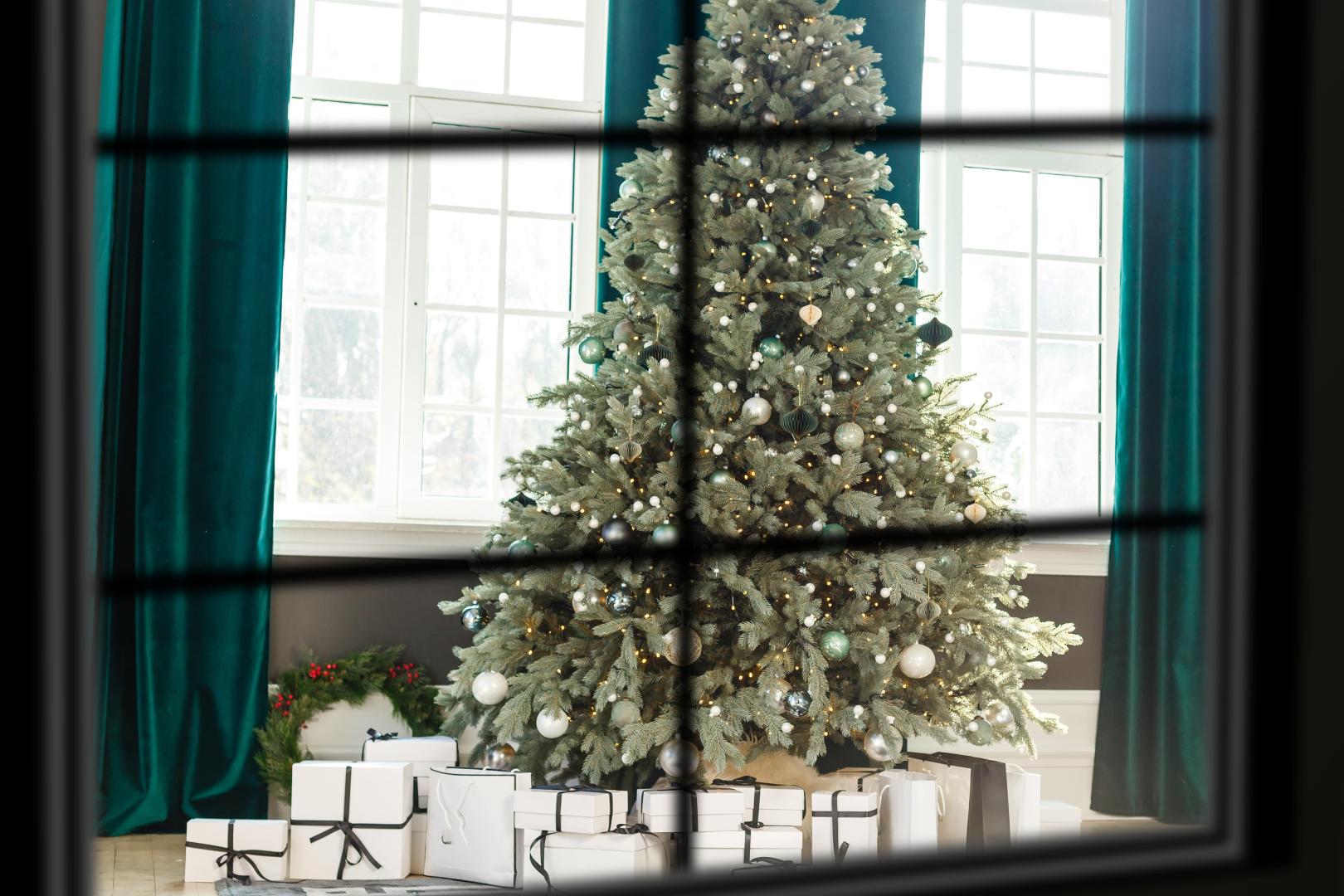
1. Velvet Christmas curtains
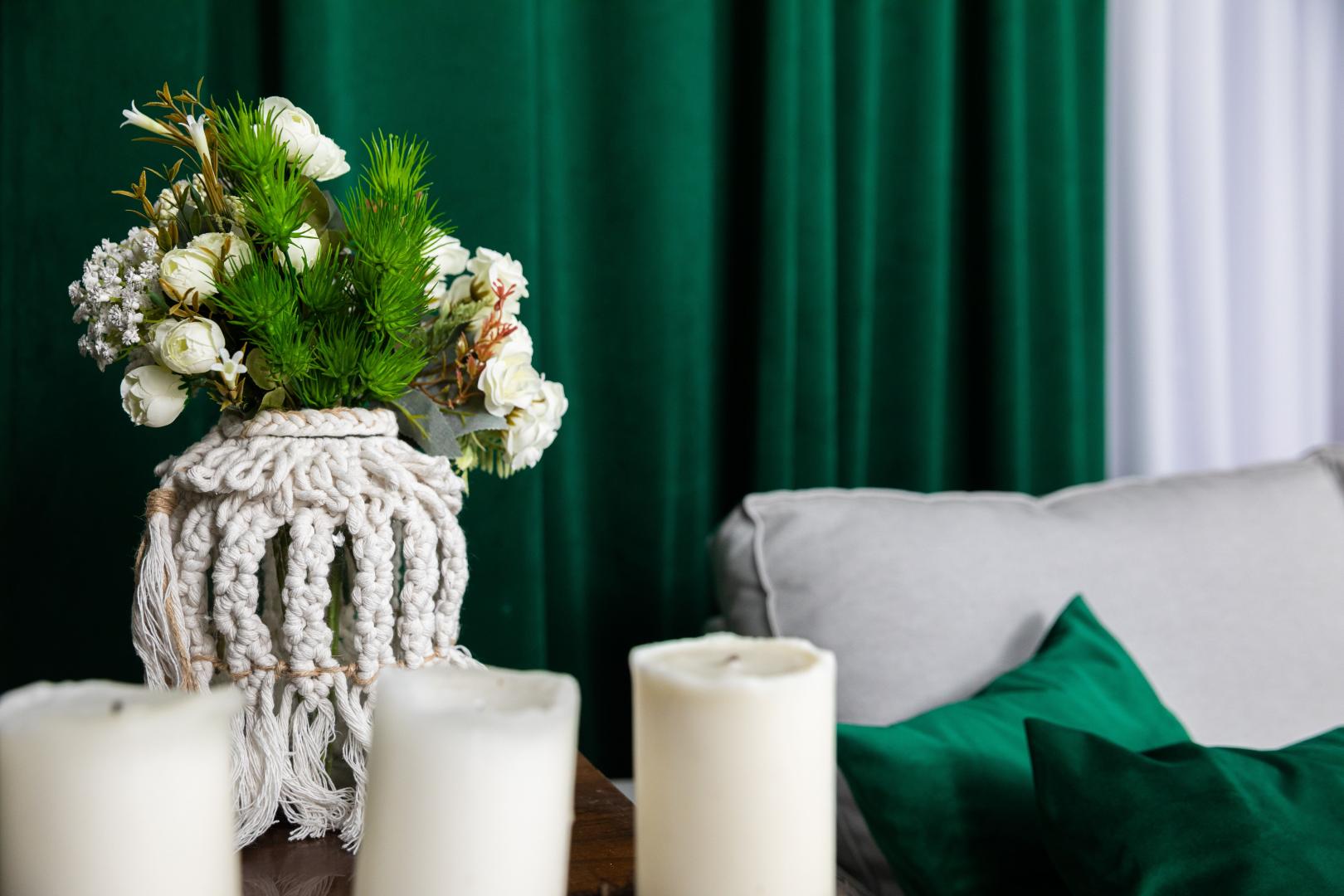
Velvet curtains for Christmas absorb light, so the colors appear rich and even. The pile and heavier weight help block drafts and keep rooms warmer through long winter nights. It suits Christmas décor because it plays nicely with brass, greenery, and candlelight - think classic holiday mood without trying too hard.
Best for: Christmas curtains for living rooms, dining rooms; traditional, glam, vintage, and modern-classic styles.
2. Linen Christmas curtains
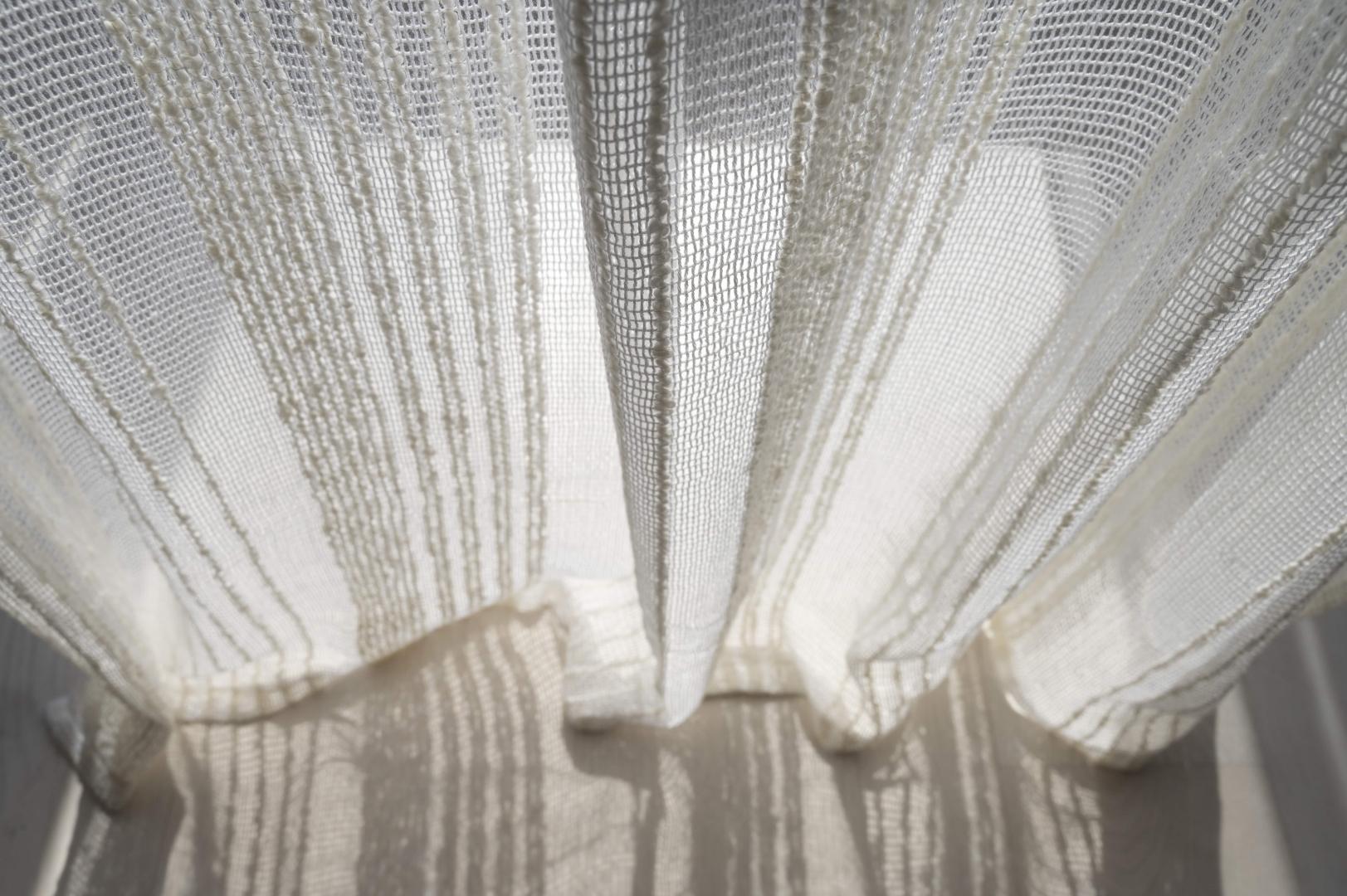
Linen curtains feel natural, have a matte finish, and a light, woven texture that softens bright winter light. On its own, linen provides medium warmth, so add blackout or flannel interlining to improve insulation and privacy, and help the panels hang straighter. It’s great for Christmas décor because it pairs with greenery, wood, and matte metals, as well as keeps the rooms from looking busy.
Best for: Kitchen Christmas curtains, casual dining, family rooms; Scandinavian, rustic, coastal, and minimalist styles.
3. Blackout Christmas curtains
Blackout curtains have crisp pleats, which makes them look smooth and neat. The layered build blocks light, improves privacy, and helps hold heat. The U.S. Department of Energy notes curtains perform best when mounted close to the window, sealed at the sides, and overlapped at the center. Blackout curtains also give the tree and candles a clean, dark backdrop.
Best for: Bedrooms, media rooms, street-facing windows; modern styles.
4. Thermal Christmas curtains
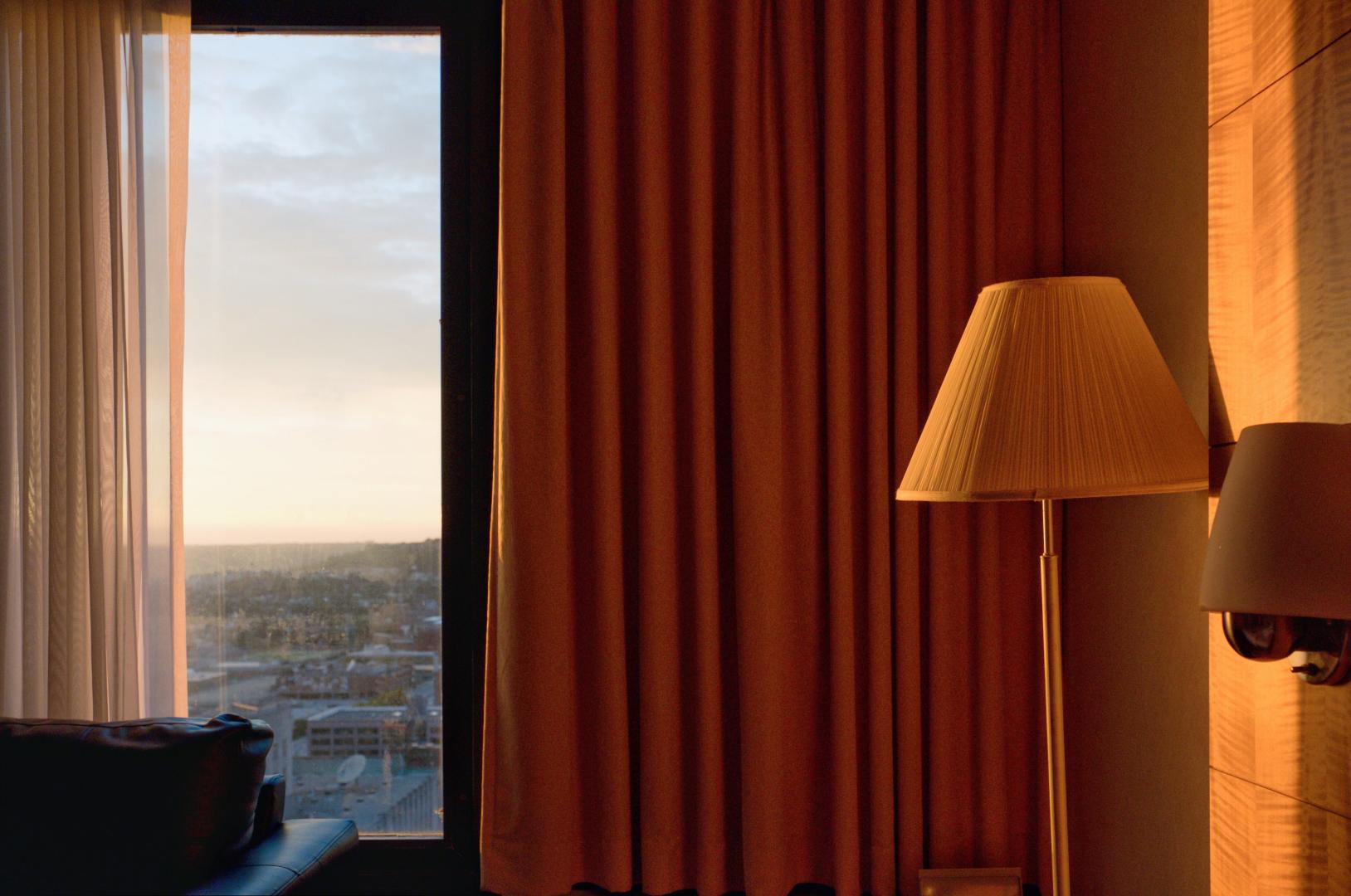
Thermal curtains and drapery look like your chosen face fabric, as the warmth comes from hidden layers. A flannel interlining traps air and gives the panel a fuller profile, while a blackout lining adds extra protection against drafts. These curtains work great for holiday décor because you can keep your style while quietly upgrading comfort and making the room warmer.
Best for: Drafty bays, sliders, older homes; classic or minimalist spaces that need heat control.
5. Sheer Christmas curtains
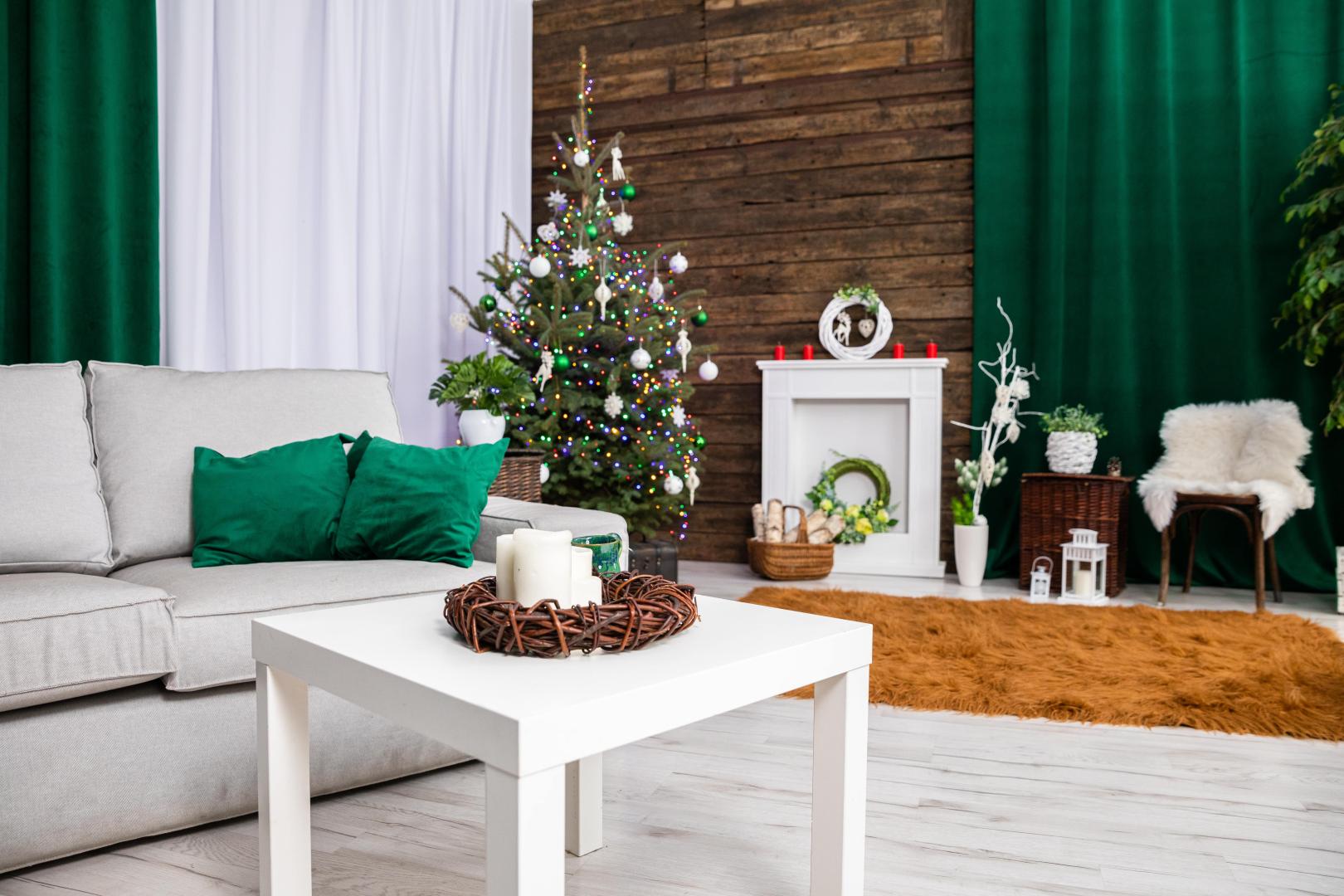
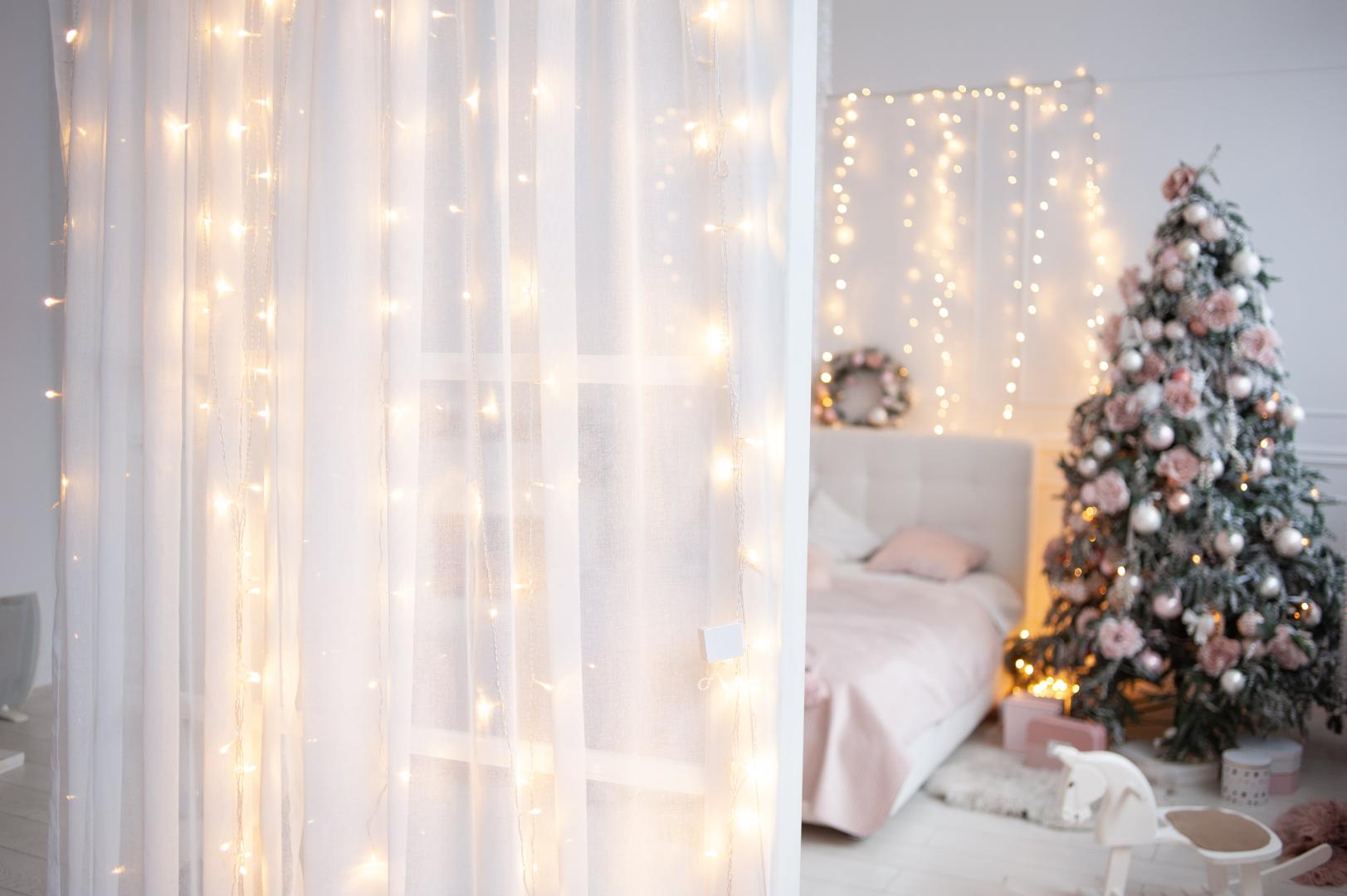
Sheer fabric creates airy and light curtains for Christmas, giving windows a soft, diffused glow. On their own, sheer curtains don’t insulate much, but as a top layer over blackout curtains or shades, they tame daylight and add privacy. They’re a smart pick because they let Christmas lights in curtains sparkle on a separate sheer; use UL-listed curtain lights and keep wires off the main fabric for a safer, cleaner look.
Best for: Layered living room and bedroom Christmas decor, bay windows; light, contemporary looks.
Best colors for Christmas curtains
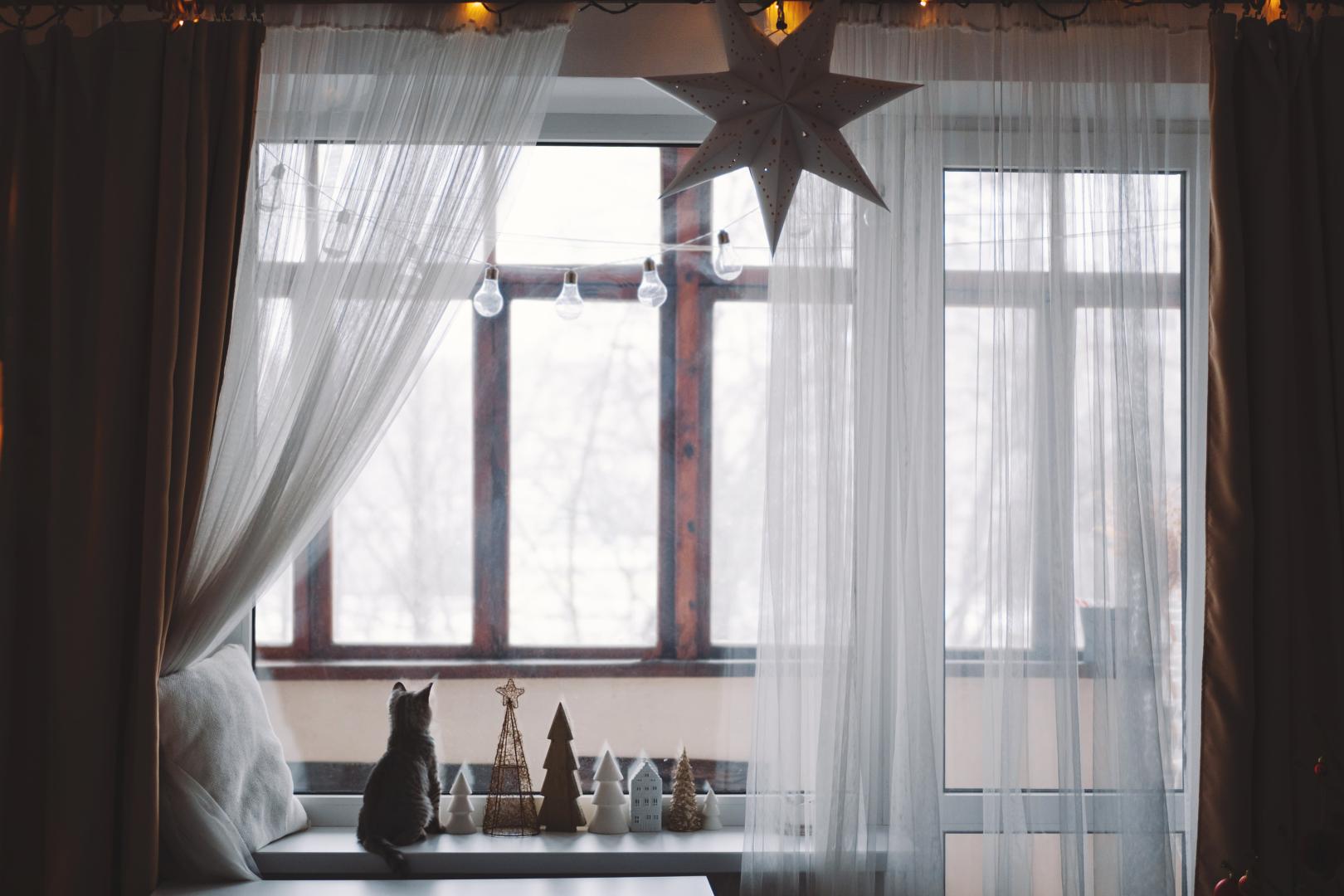
Color is one of the most powerful tools to set the holiday mood. Choose one lead tone and repeat it a few times around the room so everything feels intentional. Keep reading to learn more about red, green, and other popular Christmas colors.
6. Red Christmas curtains
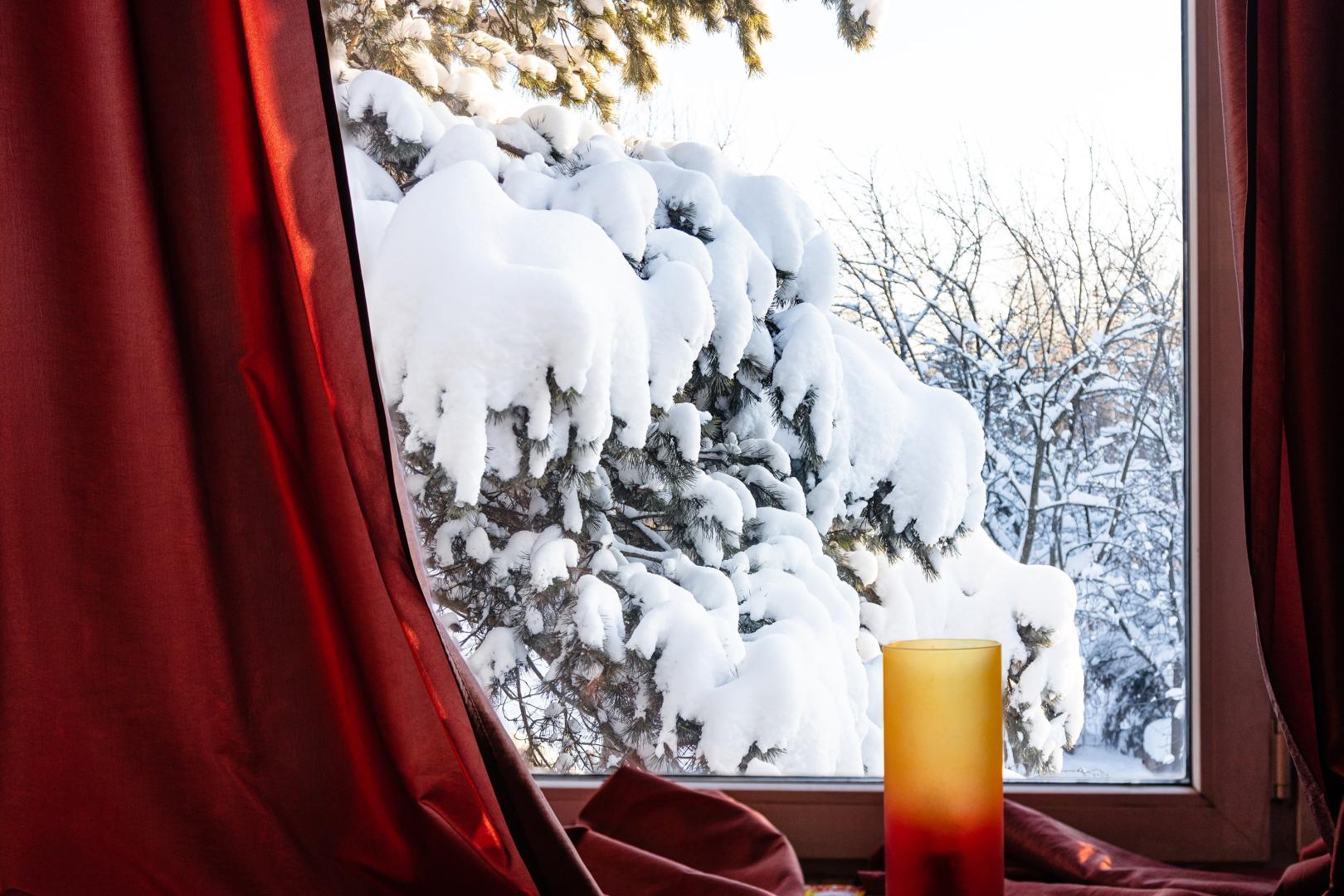
Red curtains look warm even at 4 p.m. dusk, and choosing velvet makes them feel extra cozy. The color itself makes the room feel more cozy, and red velvet or red blackout fabric usually comes in heavier weaves that block drafts well. It fits Christmas décor because it pairs with plaid, gold, and evergreen.
Best for: Christmas curtains for living rooms, dining rooms; traditional, farmhouse, classic holiday decorations.
7. Green Christmas curtains
Green curtains set a calm backdrop and tie in with garlands and the tree. Choose shade by light: forest/pine for bright rooms; sage/olive for low-light or north-facing windows. Better Homes & Gardens suggests plaid as a smart partner to green. Pair it with brass or other metallics; see their green plaid living room for a great example. Pair with wood accents to keep the palette grounded.
Best for: Family rooms, libraries, and bedrooms; rustic, Scandinavian, and nature-inspired styles.
8. Gold Christmas curtains
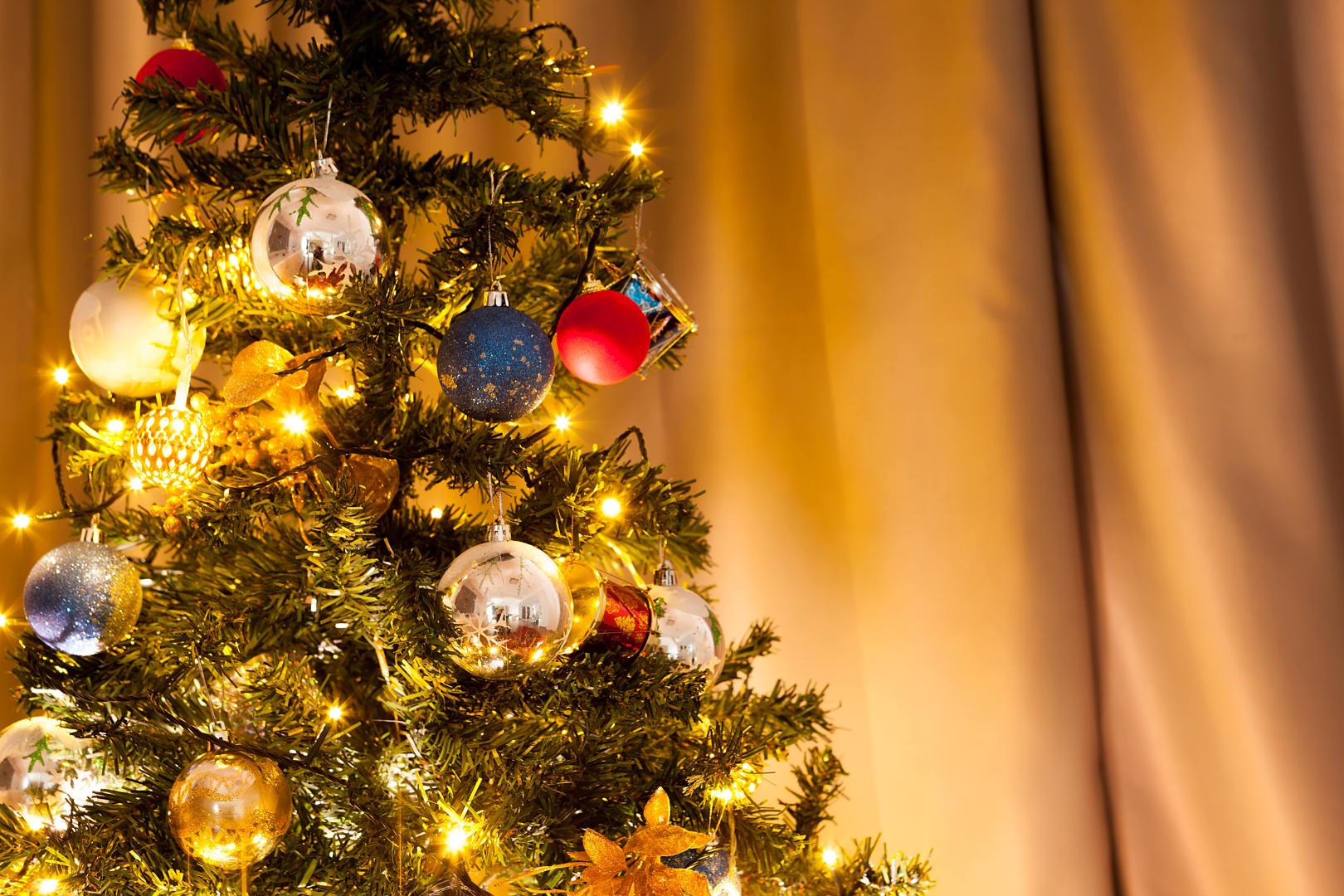
Gold curtains reflect candlelight and string lights, giving the room a warm evening look. Choose faux silk or velvet, and add blackout or flannel interlining for insulation and a cleaner hang. As experts at The Spruce suggest, pair gold with white, green, or even black, so the gold doesn’t overtake the tree or table settings.
Best for: Christmas curtains for kitchens, formal living rooms; glam, art-deco, and modern-classic interior styles.
9. White Christmas curtains
White curtains create a clean, wintry backdrop that makes ornaments and the tree stand out. Use white blackout curtains or add flannel interlining if the windows feel drafty, so the panels block light and hold heat. Keep trims simple - plaid leading edge, red ribbon ties, or matte-black hardware to get a seasonal look without visual noise.
Best for: Bedrooms, minimal living rooms; coastal, Scandinavian, modern interior designs.
10. Plaid Christmas curtains
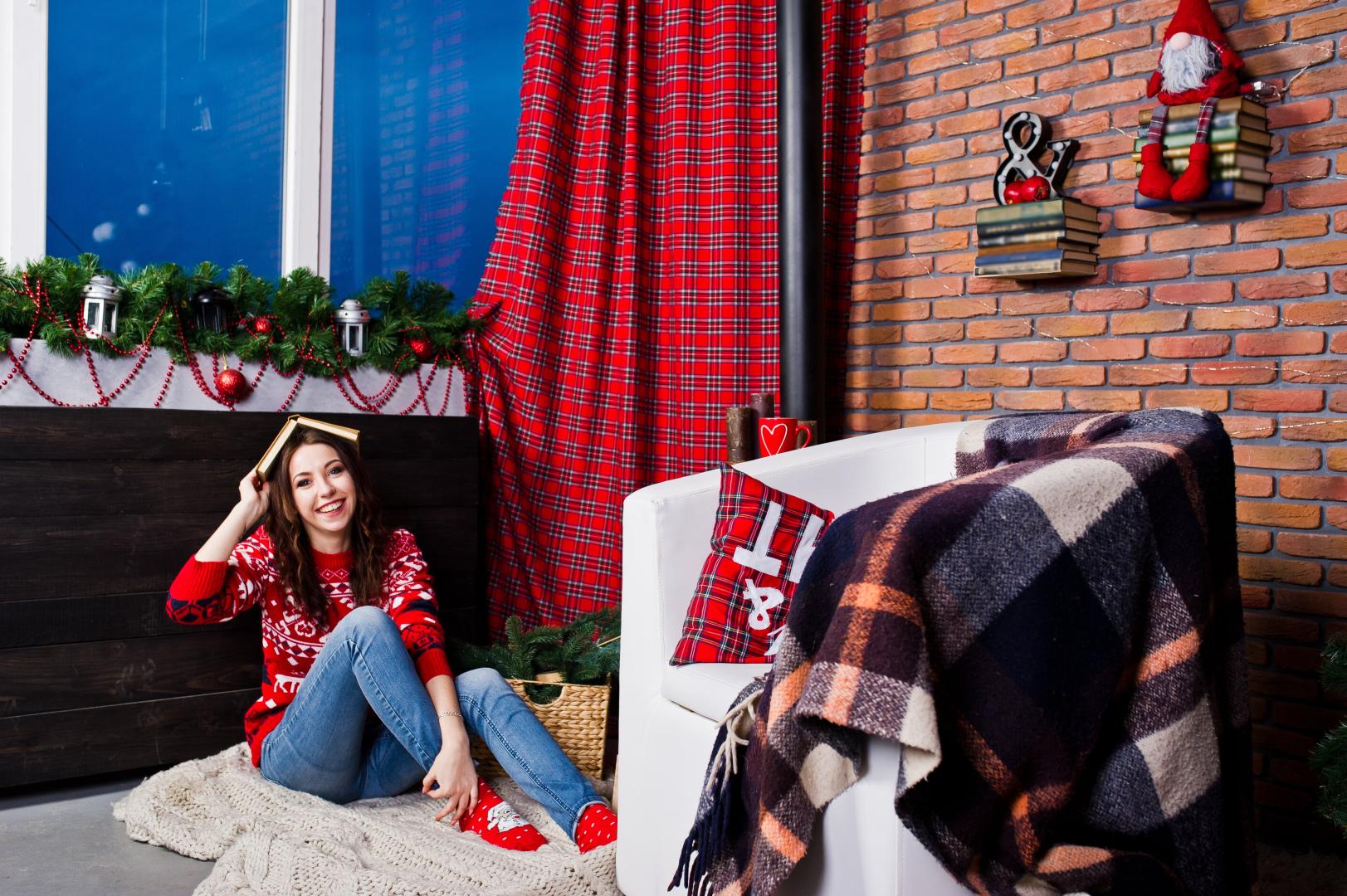
Plaid curtains are a holiday staple that can even hide everyday splashes in busy areas of the home. Choose plaid wool or lined cotton twill for a cozy feel, or lighter blends if you’re ready to add blackout or flannel interlining. Use full panels in nooks, or add a 3–4" plaid border to solid panels for a pattern without visual clutter. Pair with wood rods and simple brass rings so the print stays the focus.
Best for: Kitchen Christmas curtains, breakfast nooks, playrooms; cottage, farmhouse, and traditional styles.
Conclusion: Which Christmas curtain fabric should you choose?
There are solid Christmas curtain options for every home. The choice depends on room use, climate, and the look you want. Use these quick picks to lock in the right fit:
-
For the richest, most festive look → Velvet brings deep color, steady drape, and warmth.
-
For maximum warmth & light control → Blackout panels with thermal interlining stop drafts and glare.
-
For living rooms → Velvet with blackout lining frames the tree, photographs well, and keeps the room warm.
-
For kitchens → Lined linen (or linen-blend) in café tiers or valances; add plaid accents and choose easy-to-wash fabrics.
-
For quick upgrades → Add blackout or flannel interlining to what’s already hanging.
At FabricMill, we can match fabric, lining, and hardware to each room and budget. Start with our custom window treatments or take it one step further with matching furniture. That way, the holiday setup looks cohesive, feels warm, and works every day from breakfast to bedtime.
If you're looking for other festive fabric ideas, give our Valentine's Day fabric recommendations a read.
Frequently asked questions
How to decorate windows for Christmas?
Use a main panel (velvet, lined linen, or blackout), add a sheer on a separate rod, and finish with ribbon or plaid trim. Hang UL-listed curtain lights on the sheer only - never on the main fabric - and match the curtain color in wreaths and garlands.
How to drape a ribbon on a Christmas tree?
Anchor at the top and work in gentle S-curves using 2–3-foot pieces, which tuck easier and look neater. Mix textures, such as velvet with metallic grosgrain, and echo your curtain color so the tree and window feel like one plan.
Can Christmas lights touch fabric?
No, keep lights off fabric to avoid heat buildup and stains. Use UL-listed curtain lights on a separate sheer or micro-mesh, follow the manufacturer’s clearance, and never pin or cover lights with fabric.