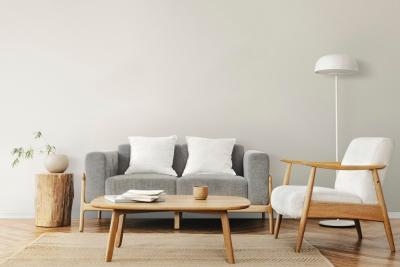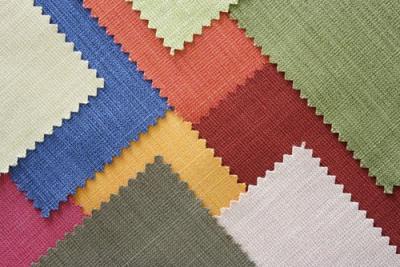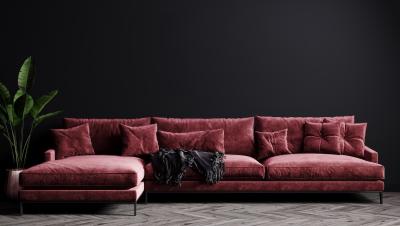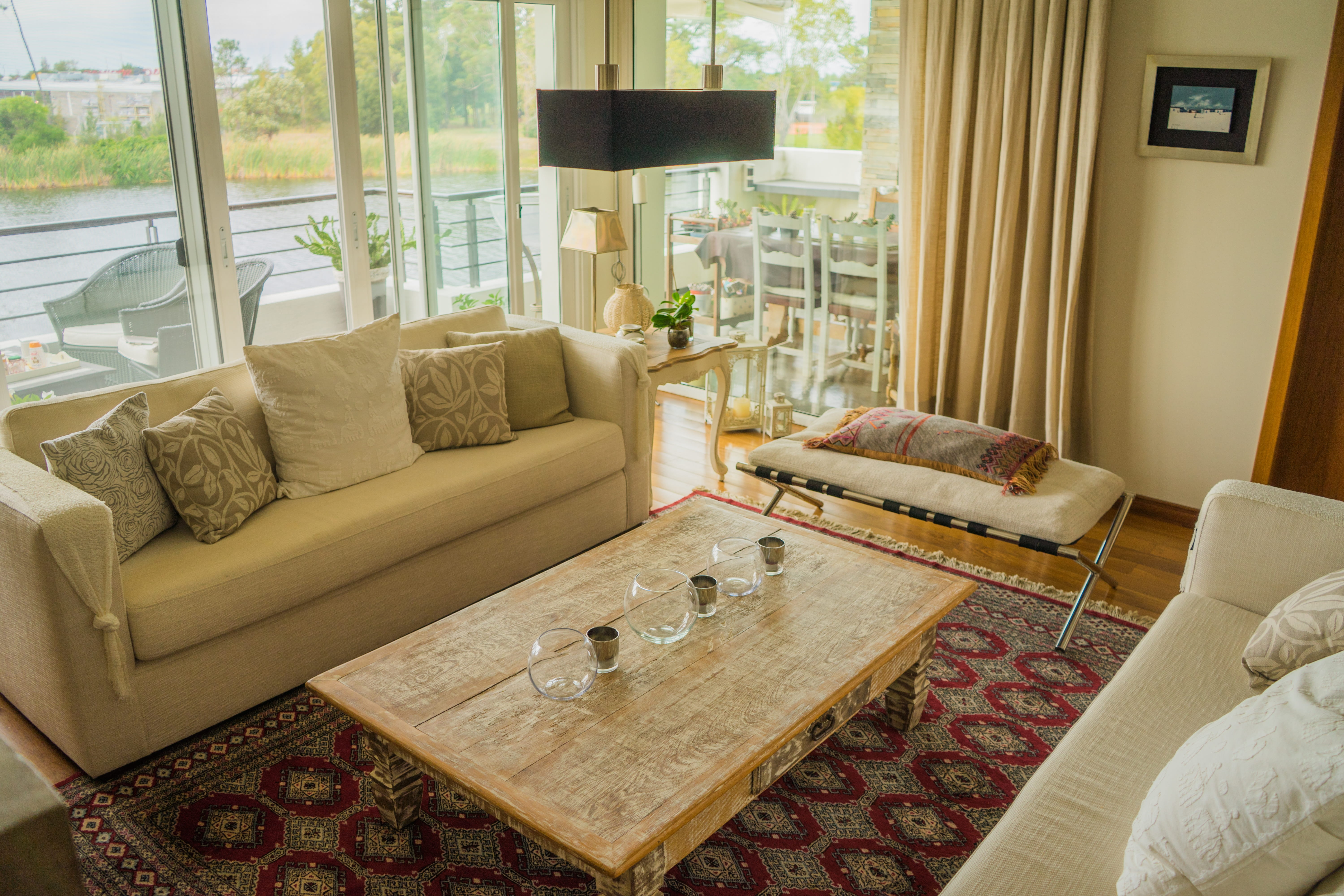
Curtains and drapes do more than just finish a room. These fabric panels manage light and help regulate the temperature inside your home. Since glass allows heat and cold to pass through easily, your window treatments act as a functional barrier. You should evaluate how a room handles sunlight and noise before you select a specific color or pattern.
-
Material. Synthetic polyester resists UV damage while natural linen offers a breathable weave. Each fiber reacts differently to the sun and humidity in your house.
-
Function. Blackout drapes stop light for better sleep while sheers filter the sun for daytime privacy. You will feel more comfortable when the opacity matches the specific use of the room.
-
Installation. Rods mounted high and wide make a window look larger. This placement improves how the fabric hangs and prevents light from leaking around the edges.
In this guide, we explain how to choose fabric for your curtains, follow the technical steps to measure and clean your window treatments, and more.
Differences between different types of window treatments
People often use the names of window treatments interchangeably. Although curtains, drapes, shades, and blinds all cover windows, each category possesses a unique mechanical design. It is useful to understand these distinctions before you buy materials because the construction dictates the temperature and privacy of your space.
Characteristics of window curtains
Curtains consist of lightweight fabric panels that usually hang in pairs. Because manufacturers use thinner materials like cotton or sheer polyester, these panels have a casual appearance. Curtains typically lack a lining. This means they filter light rather than block it. These panels work best in kitchens where you want a bright atmosphere while you obscure the view from the street. You can easily pull them back to let in a breeze when the weather is warm.
Pros: Lightweight and let plenty of natural light in to brighten your space while remaining affordable.
Cons: Offer very little thermal insulation and do not provide privacy once you turn on the lights at night.
Characteristics of window drapes
Drapes differ from curtains because they consist of heavier fabrics and include a thick lining. This lining protects the face fabric from sun damage and improves how the material hangs. Since drapes block nearly all light and provide insulation, they are the standard choice for bedrooms. Most drapes reach from the rod down to the floor to create a structured look. They provide a sturdy barrier against winter drafts and summer heat.
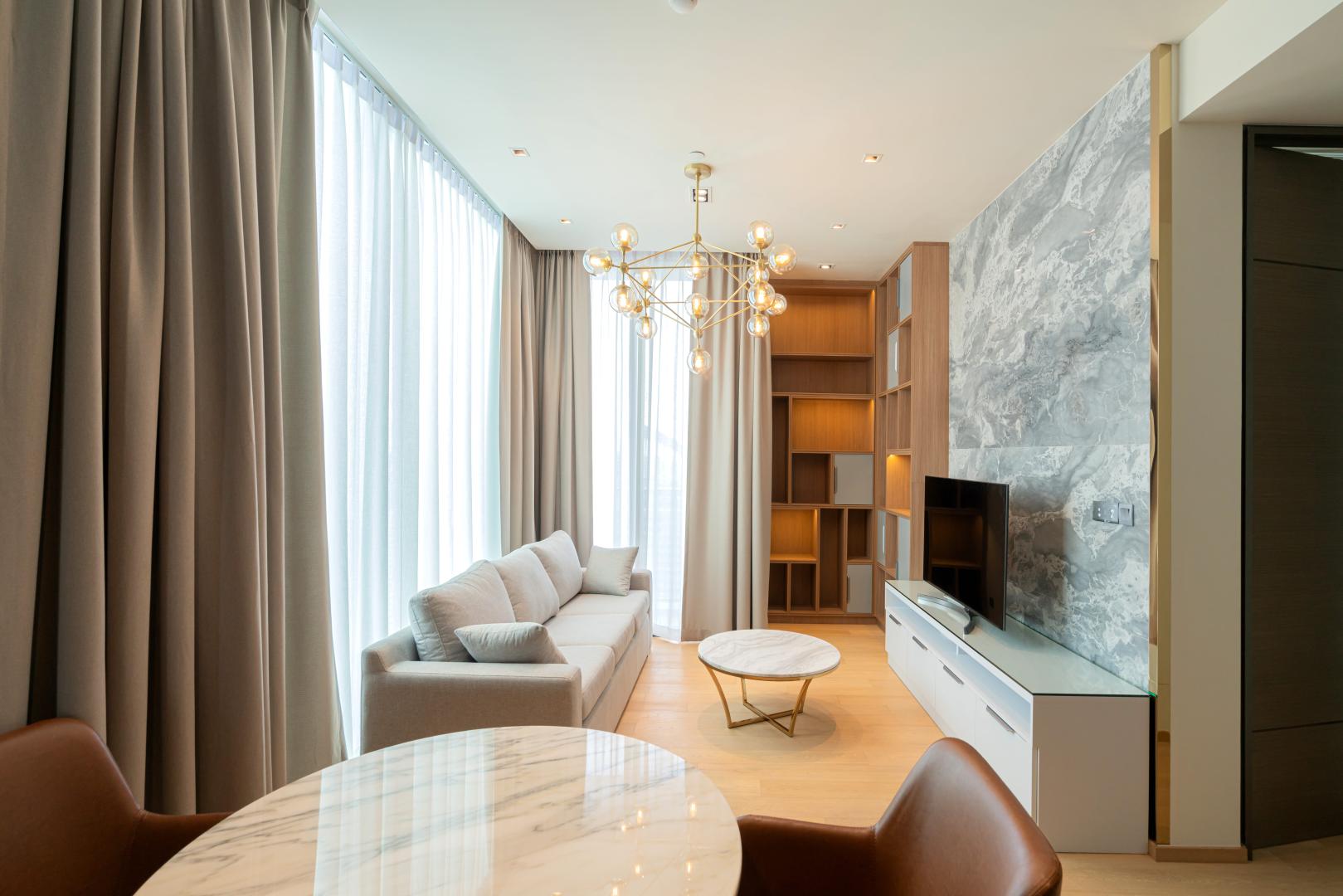
Pros: Superior light control because of their thick lining, help reduce your monthly energy bills.
Cons: Quality drapes are a significant investment and require sturdy hardware to support the heavy fabric.
Characteristics of window shades
Shades move vertically within the window frame. They consist of a single piece of fabric or material that rolls or folds when you raise it. Although shades take up less space than drapes, they do not provide the same sound-dampening. While Roman shades use fabric folds, roller shades use a mechanical tube to hide the material at the top of the window.
Pros: Their compact design saves valuable wall space and works well in minimalist interiors.
Cons: Limited sound absorption, and they are often difficult to deep clean.
Characteristics of window blinds
Blinds consist of hard slats made of wood, metal, or vinyl. Because you can tilt the slats to various angles, you have precise control over the direction of incoming light. Although blinds are functional, they do not offer the thermal insulation of a heavy fabric drape. Many designers pair blinds with curtains because this combination provides the utility of slats with the visual warmth of fabric.
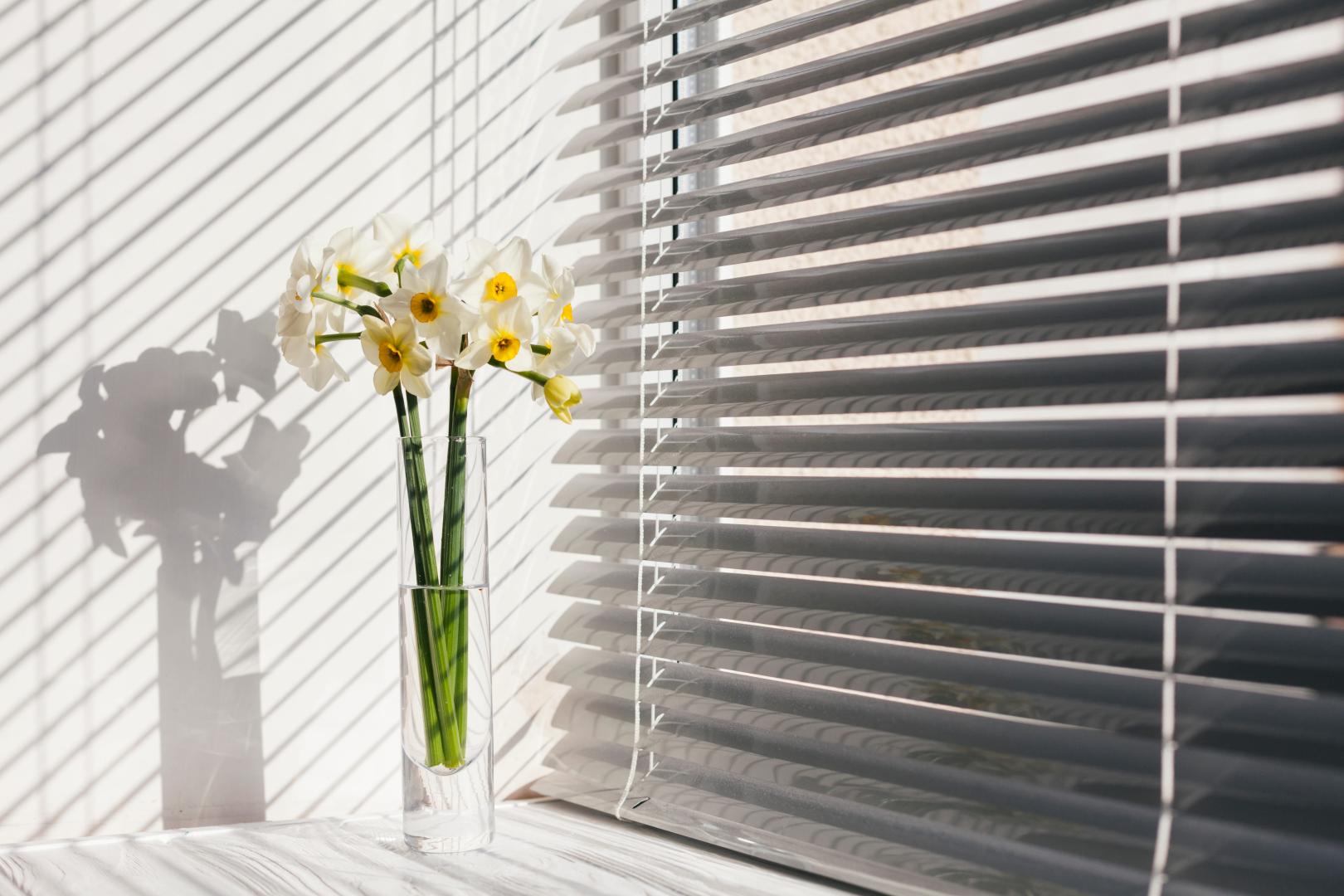
Pros: Blinds offer precise control over the angle of light and are easy to wipe clean.
Cons: The hard surfaces attract dust and do not block drafts as effectively as fabric panels.
Types of Fabric Used for Curtains and Drapery
The fiber you select determines the lifespan and performance of your window treatment. Since sunlight degrades certain fibers over time, you should consider the exposure of your windows. If you want to get a closer look at specific textiles, you can read our guide on the 11 Best Fabrics for Curtains and Drapery.
Natural fiber options for window treatments
Natural fibers are the most classic way to go. Although these materials often require more care, they have unique textures that synthetic fibers cannot replicate.
Cotton fabric for curtains
Cotton is a strong, medium-weight fiber that is easy to maintain. Because cotton is breathable, it lets air move through the room. Cotton curtains come in many patterns, which makes them a great choice for guest rooms and children’s rooms. If you use unlined cotton, the sun will eventually cause the colors to fade. Lined cotton panels hang with a crisp finish and keep your privacy. Note that since cotton is a natural material, it can shrink if you use high heat in the wash.
Best for: Guest rooms and daily living spaces where you want easy maintenance.
Linen fabric for curtains
Linen comes from the flax plant and has a distinct, textured weave. Since linen is a naturally stiff fiber, it does not sag over time. While linen wrinkles easily, it has an organic look that works well in coastal homes. Linen is translucent and lets a soft glow enter the room. If you want total darkness, you’ll need to add a blackout liner to your linen panels. This material stays cool to the touch and creates a relaxed feel in a sunny living room.
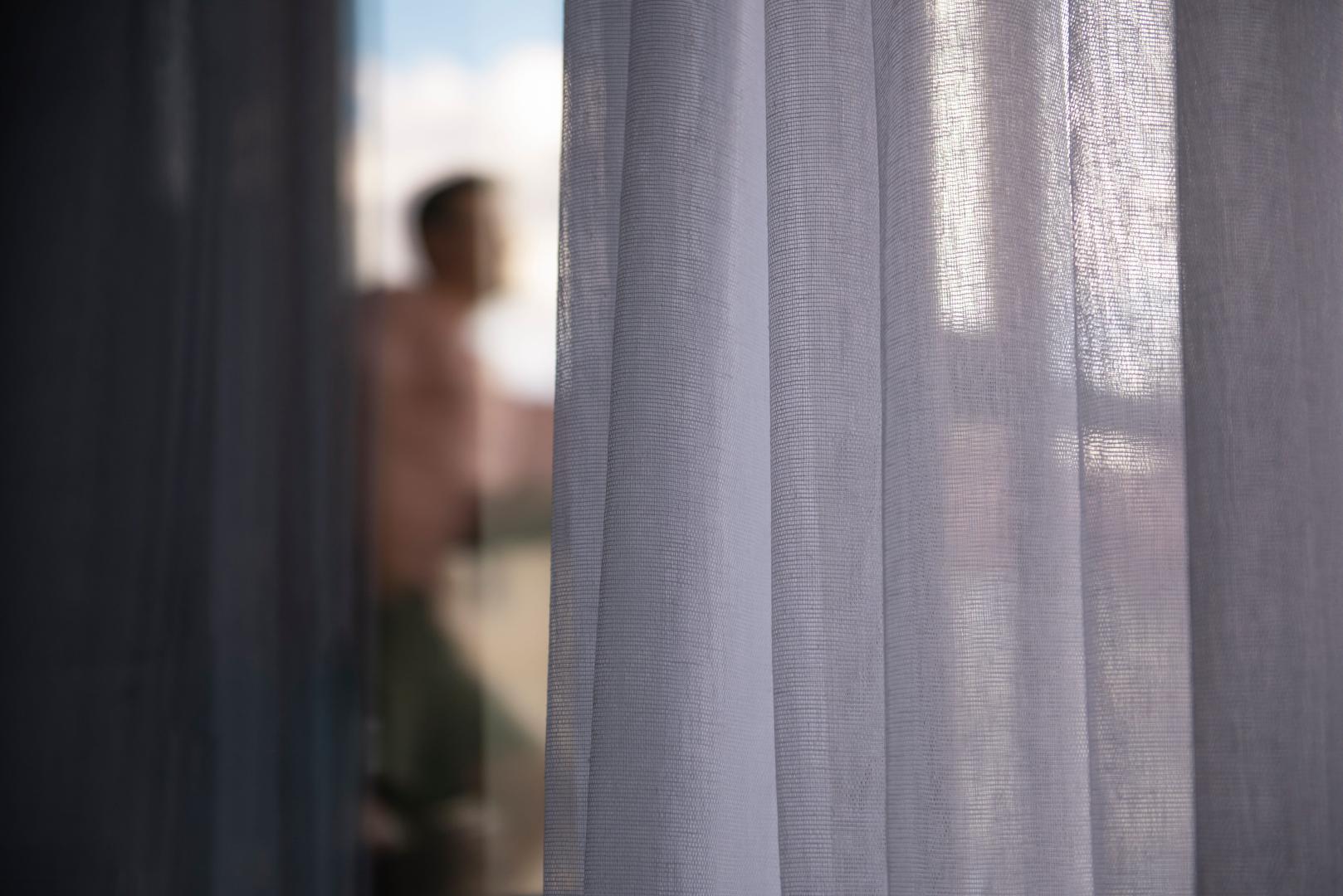
Best for: Sunny living rooms and coastal homes where you prefer a relaxed, breezy look.
Silk fabric for curtains
Silk is a natural fiber that has a subtle shimmer. Because silk is a heavy material, it hangs straight and looks very high-end. Silk is very sensitive to sunlight, and unless you use a high-quality lining, the sun will cause the fibers to become brittle. Silk is a delicate material, so you should have it professionally cleaned.
Best for: Formal dining rooms or bedrooms that do not receive direct afternoon sun.
Velvet fabric for curtains
Velvet is a heavy fabric with a thick pile that absorbs light and sound. Because velvet is so dense, it blocks drafts during the winter. This material is perfect for creating a quiet environment in bedrooms. While traditional velvet used silk, modern versions often use synthetic fibers to improve durability. Velvet panels create deep shadows and look stunning in dark jewel tones like navy or forest green.
Best for: Bedrooms or media rooms where you want it dark and quiet.
Synthetic and blended fabric for window treatments
Synthetic fabrics are built to handle the sun. Because these fibers don't soak up moisture, they won't shrink or grow mold.
Polyester fabric for curtains
Polyester is the most common choice for window treatments. If you want to know why polyester is so popular, the most direct answer is that it is strong and affordable. Since polyester is a synthetic polymer, it resists wrinkling and maintains its shape. Modern polyester can mimic the look of expensive linen while offering higher resistance to UV damage. It is a cost-effective choice for rooms that see a lot of daily activity.
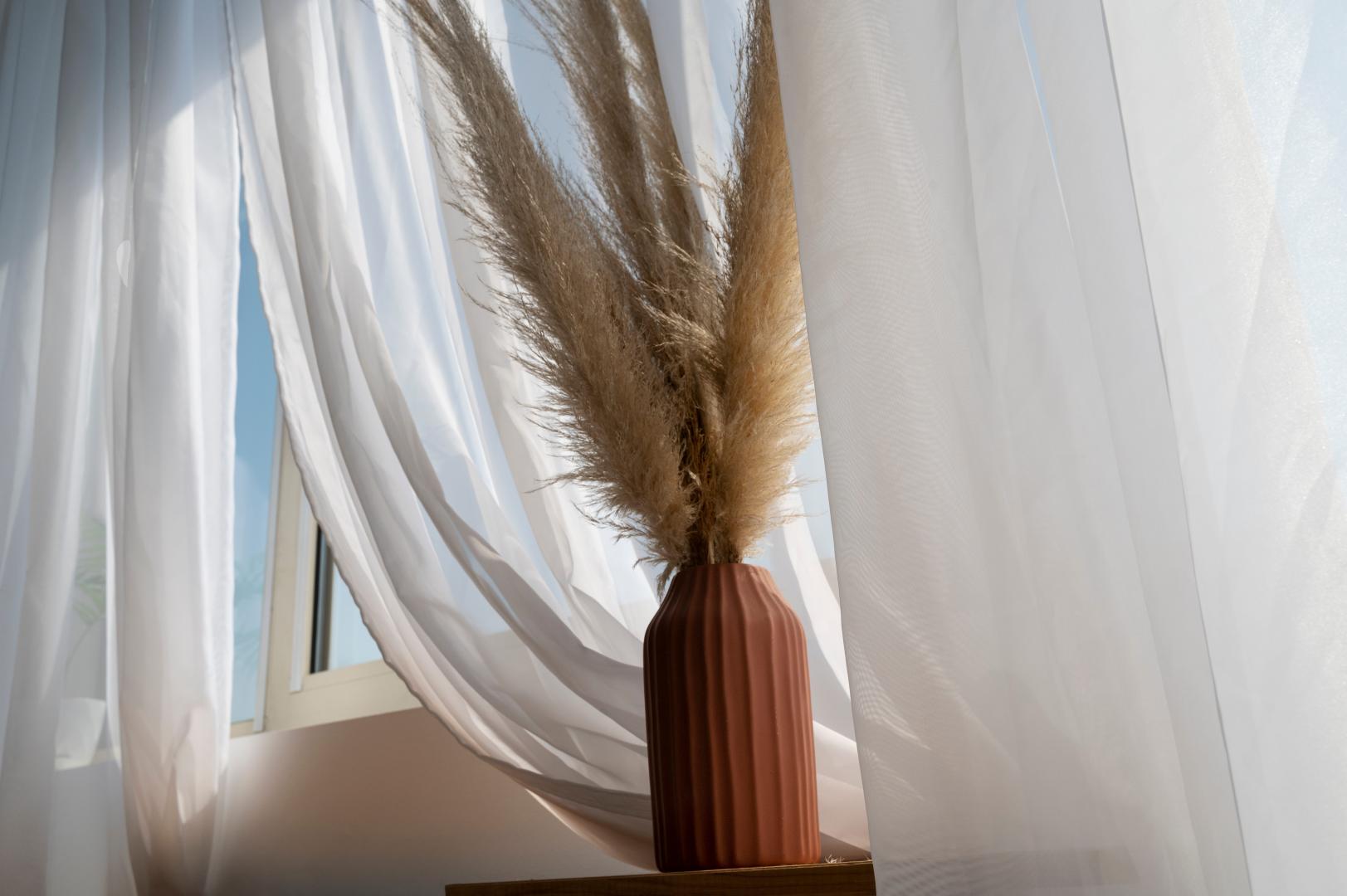
Best for: High-traffic rooms and windows that get hit with intense sun all day long.
Cotton blends for curtains
Cotton-polyester blends are a practical solution for busy homes. Because the polyester reinforces the cotton fibers, these panels do not shrink in the wash. The blends have a matte look that is easy to style. Since they cost less than pure linen, they are great for big projects. They stay looking fresh even after years of opening and closing the panels.
Best for: Family homes where you want a natural look that is still practical and won't wrinkle.
Comparison of sheer vs blackout drapes for your home
How much light you want determines if you should pick sheers or blackout drapes. Since your needs change from morning to night, you can check our guide on Sheer vs. Blackout Drapes.
Light filtering with sheer fabric
Sheer fabrics are thin and see-through. Because they soften the sun, they stop the glare on your TV or furniture. While sheers give you privacy during the day, people can see in at night if your lights are on. They are a great first layer because you can still see the outdoors without the room feeling wide open.
Room darkening and blackout materials
Blackout drapes block almost all the light. Because they use a special coating or a very tight weave, they are among the best fabrics for bedroom curtains. If you work nights or have a baby who needs naps, these are a must. They also give you total privacy at night because they block all shadows from the outside.
Thermal insulation with heavy drapes
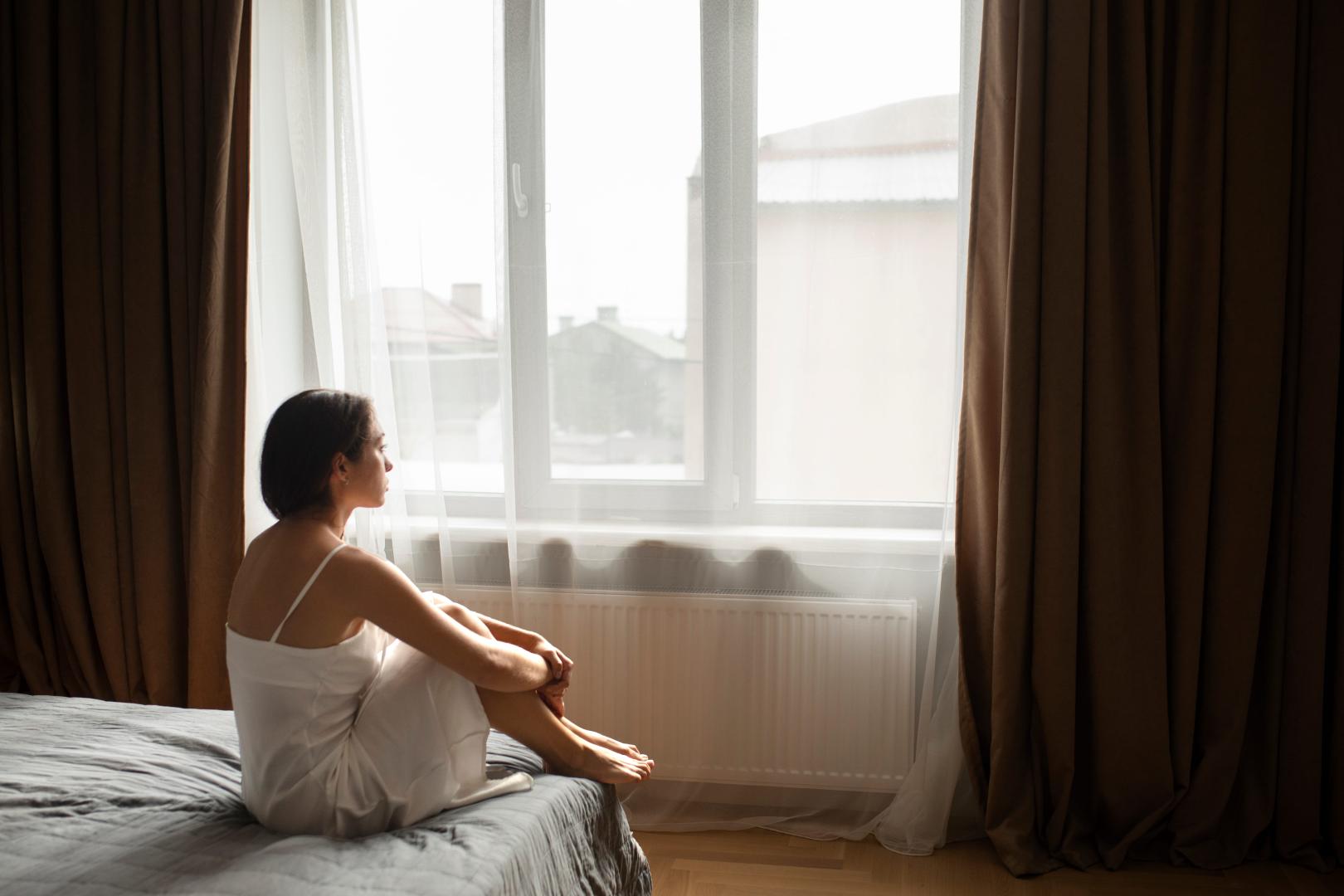
Heavy drapes function as a thermal barrier for the home. Since windows account for a large portion of heat loss, thick fabrics can even save money on utility bills. Blackout and velvet drapes trap a layer of air against the glass, which stops cold drafts. Because the fabric is so thick, it also absorbs noise from traffic. This makes your home feel more private and quiet.
Types of curtain header styles
The top of the curtain determines how the fabric folds and how easily the panels slide. Because your daily routine involves opening and closing your windows, you should select a header that functions well and fits your interior design taste. At Fabric Mill, we offer several styles for your custom window treatments so you can get the exact function you need.
Pleated headers with sewn-in folds
Pleated headers use extra fabric because the material is folded and sewn into a permanent shape. These stay in place, so your windows always look tidy and neat.
-
Pinch pleat drapes: These have crisp, evenly spaced pleats at the top. The pleats are gathered and sewn tightly. This ensures the fabric drapes smoothly for a refined look. These are perfect for living rooms and bedrooms where you want a polished finish.
-
Goblet pleat drapes: Known for deep, rounded pleats that resemble a wine glass, this style creates a full, clean appearance. These drapes add height and give a neat appearance to formal spaces like dining rooms. They can be lined for a fuller, more dramatic look.
-
Cartridge pleat drapes: These feature large, smooth pleats that are evenly spaced. This gives your windows a full appearance and allows the fabric to fall gracefully. It works well in both formal and casual settings where you want a neat, structured look.
-
Euro and hand-tacked drapes: These feature hand-tacked pleats at the top for a clean finish. The tacking adds texture and allows the fabric to fall beautifully. They give an effortless look to bedrooms or formal dining areas.
Slide-on and casual headers
Modern headers are usually the best choice for windows that you open and shut every day.
-
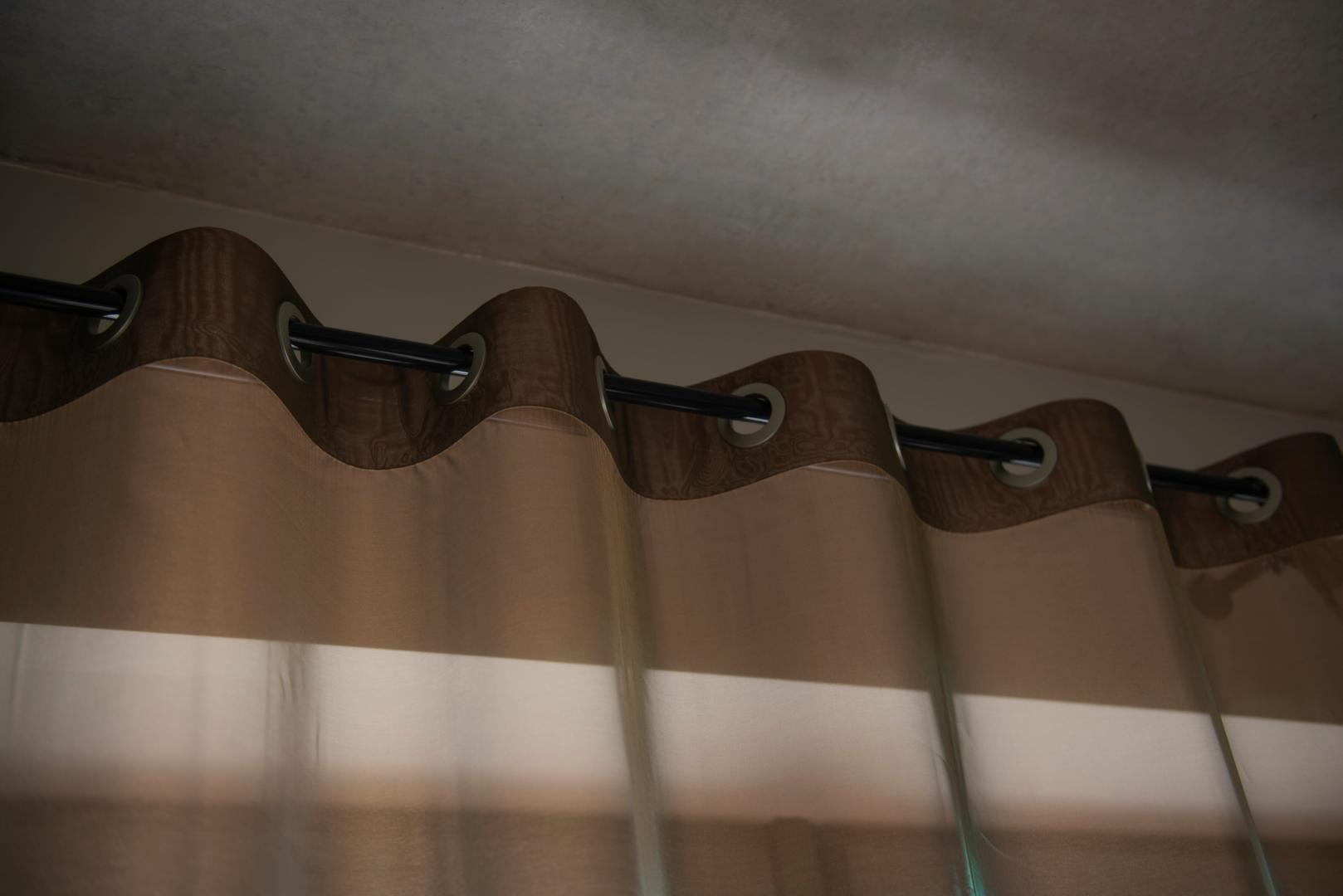
Grommet top drapes: These use large metal rings at the top. This design makes them very easy to slide across the rod. It is a simple solution for sliding doors or busy living rooms where you need a functional choice for privacy and light control.
-
Ripple fold and roll pleat drapes: These feature continuous folds that create a clean appearance. The design allows the fabric to flow evenly across the rod for a sleek finish. This is a smart choice for offices or modern living rooms.
-
Tab and tie top drapes: These feature fabric loops (tabs) or fabric ties that hang from a curtain rod. This style gives a casual, easygoing feel. They are easy to hang and create a soft look in bedrooms or living rooms where you want a simple window treatment.
Gathered and flat headers
If you want a tidy look that works in both formal and casual settings, these styles offer a great middle ground.
-
Pencil pleat drapes: These feature tightly gathered pleats that create a neat, uniform look. The pleats are spaced evenly to give your windows a soft, tailored appearance. This style works well in casual living spaces and helps the fabric hang smoothly.
-
Hourglass rod pocket drapes: These feature a gathered shape that forms a soft silhouette when tied with a decorative tieback. This design gives your windows a beautiful and elegant look. The tieback allows you to control the amount of light entering the room.
-
Flat panel drapes: These are simple fabric panels that hang straight down for a clean, minimal look. This style works for those who want a design that fits perfectly with any room. They are ideal for living rooms or dining areas where you want privacy without the extra space drapes can take.
Curtains and drapes for sliding glass doors and large openings
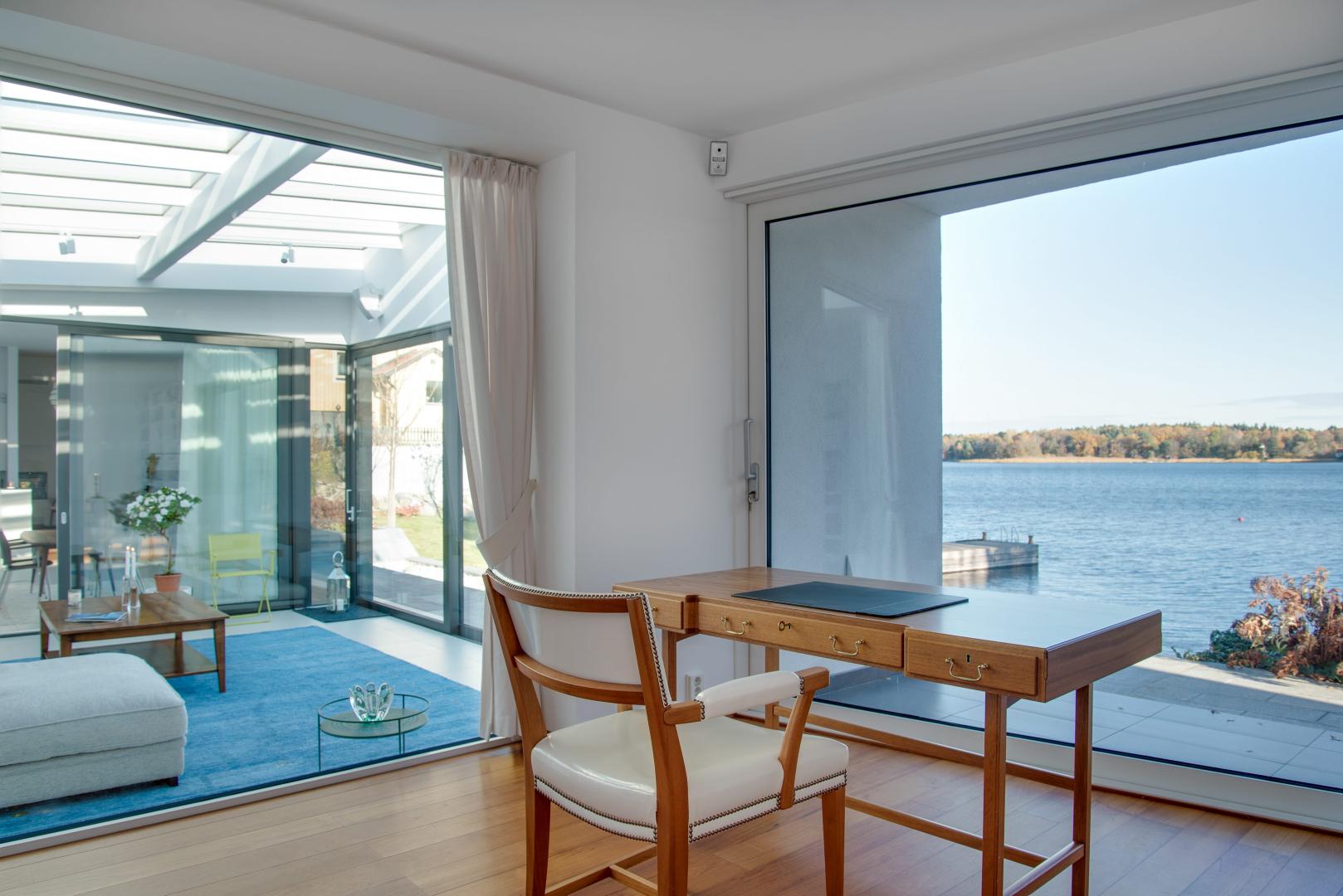
Sliding glass doors are often the largest windows in a home. Because they are also high-traffic exits, you need a treatment that moves out of the way fast. You can find several ideas for these wide openings in our Window Treatments for Sliding Glass Doors Guide. Large drapes on a traverse rod are the best solution because they handle the weight of wide panels without sagging. Since glass loses a lot of heat, using heavy drapes can help keep your living room warm in the winter.
Curtains and drapes for sliding glass doors and large openings
Small windows can be tricky because too much fabric makes them look messy. You should pick a style that improves the proportions of the frame without hiding the glass. If you need help with these tight spaces, read our guide on Window Treatments for Small Windows. Using inside-mount shades or café curtains keeps the area tidy. Mounting your rods high and wide on a small window can also create the illusion of a much larger opening.
Technical guide for measuring and installing curtains and drapes
Measuring correctly is the most important part of the entire process. If your measurements are off, the curtains won't hang right, and the room itself will feel "off."
Step 1: Measure the length (the drop)
The starting point for your measurement depends entirely on the type of hardware you are using. You want to measure from the point where the fabric actually attaches to the rod or track to ensure the length is accurate.
-
If you are using rings: Measure from the bottom of the curtain ring.
-
If you are using a track system: Measure from the bottom of the glider.
-
If you are hanging directly on a rod (like a rod pocket): Measure from the top of the rod itself.
Once you have your starting point, measure down to where you want the fabric to end. At Fabric Mill, we recommend subtracting 0.4 inches from your final measurement for almost every style. This small gap keeps the hem just off the floor or sill, so it stays clean and doesn't drag or catch.
-
Window sill length: Measure to the sill and subtract 0.4 inches for clearance.
-
Apron length: Measure about 4 to 6 inches below the sill for a more traditional look.
-
Floor-length: Measure all the way to the floor and subtract 0.4 inches to keep the fabric from bunching up.
-
Full wall coverage: Measure from just below the ceiling down to the floor, subtracting 0.4 inches for a clean finish.
Note: If your rod or track isn't installed yet, a good rule of thumb is to place it 6 inches above the window frame.
Step 2: Measure the width of your window
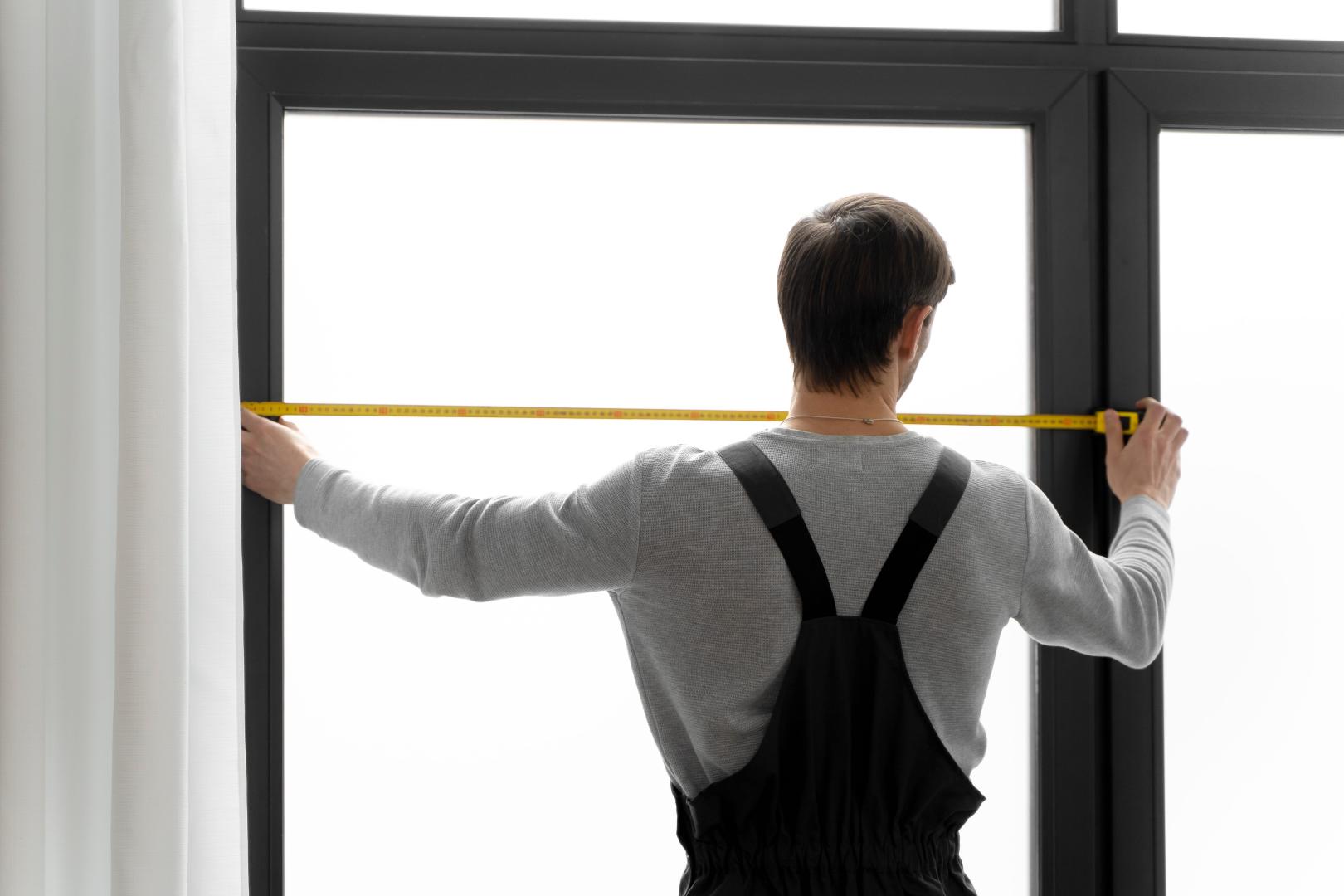
To make sure your curtains actually cover the glass and look full, you need to measure the window recess (the opening itself) and then add extra space on the sides. We suggest adding 6 to 8 inches to each side. This extra width allows the drapes to "stack" neatly on the wall when they are open, so they don't block your light or your view.
Step 3: Measure your hardware and calculate fullness
Now that you know how wide the window is, you need to measure your actual rod or track to decide how much fabric you need to buy.
-
For a track: Measure the full length from one end to the other.
-
For a pole or rod: Measure the width between the two decorative finials (the end caps).
To get those nice, deep folds instead of a flat sheet, you’ll need to multiply your hardware width by a "fullness factor" (F). Generally, this multiplier ranges anywhere from 2.0 to 3.0, depending on the weight of your fabric and how gathered you want the finished window to look. A heavier or thicker material usually looks great with a 2.0 or 2.5 multiplier, while a very thin or lightweight fabric often needs a 3.0 multiplier to get that soft, full appearance without looking too skimpy.
Step 4: Selecting and installing hardware
Because fabric, especially velvet or lined drapes, can get very heavy, your hardware needs to be up to the task. We always recommend using metal rods with center support brackets for any window wider than 5 feet to prevent the rod from sagging in the middle.
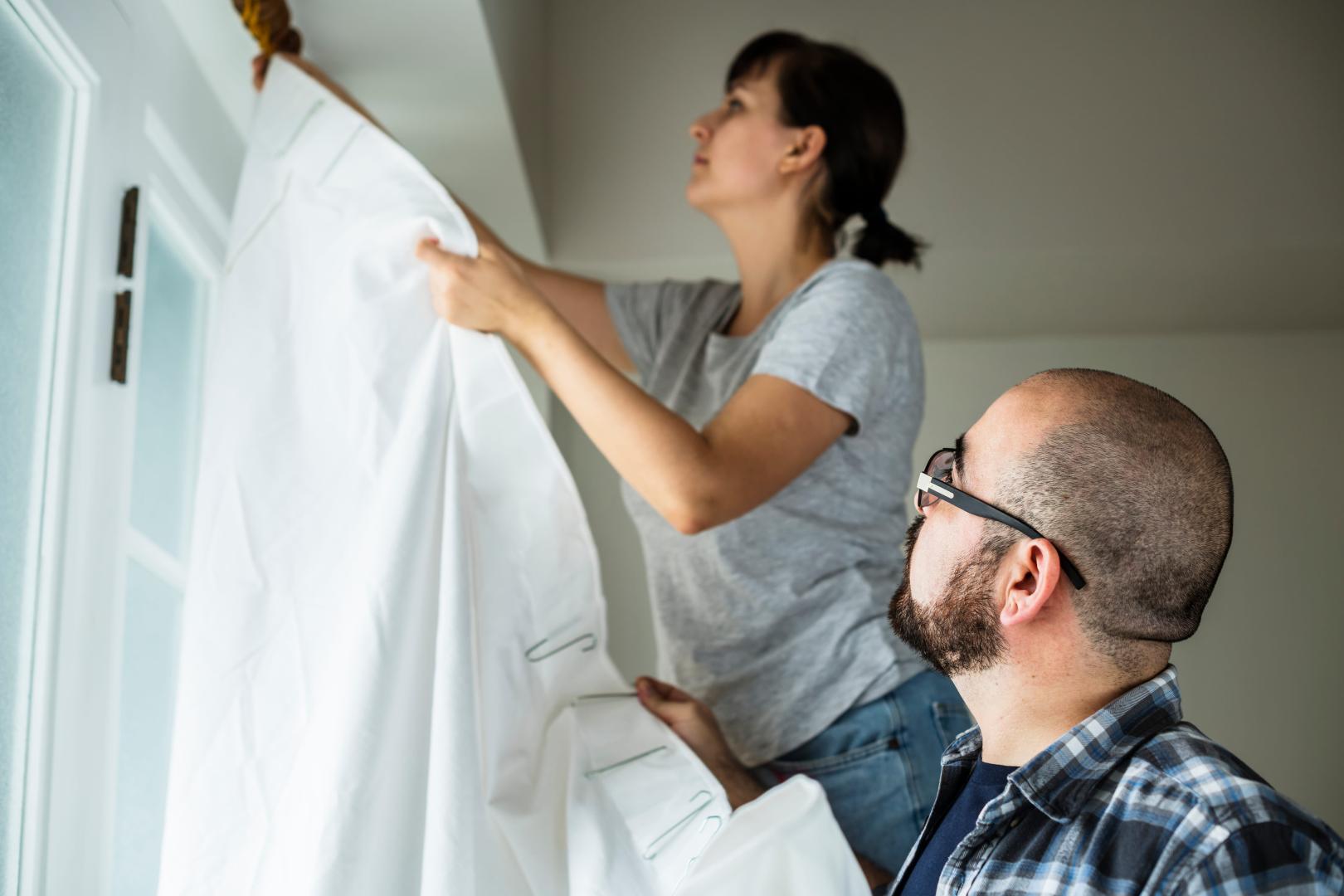
When it's time to drill, remember the "high and wide" rule. Mounting the rod 4 to 6 inches above the window frame (or even higher) draws the eye up and makes your ceilings feel taller. Extending the rod past the sides of the window makes the glass look much wider than it actually is. Double-check your numbers one last time before you start. It's much easier to measure twice than to patch a hole in the wall!
Cleaning and maintaining curtain fabrics
Curtains act like a giant air filter for your home, so dust and pet hair will eventually settle in the folds. To keep them looking fresh, we recommend a quick vacuuming once a month using the soft brush attachment.
-
Polyester & Blends: These can often be washed at home on a cold, gentle cycle. Just make sure to air-dry them, as high heat can melt the fibers.
-
Silk & Linen: These natural fibers usually need a trip to the dry cleaners. Water can cause them to shrink or lose their shape.
-
Wrinkles: If your curtains get wrinkled, don't take them down! A handheld steamer used while they are hanging is the easiest way to smooth them out.
Frequently asked questions
Should drapes touch the floor?
It depends on the look you want to achieve, but drapes generally look best when they touch the floor or sit about a half-inch above it. This avoids the look that can make your windows feel unfinished. For a more formal or traditional style, you can add an extra 2 to 4 inches so the fabric puddles slightly on the ground.
How do I choose drapes for my living room?
Think about how you use the space and how much light you need. If you watch a lot of TV in that room, choose a lined fabric to block glare. If you prefer a bright and breezy atmosphere, go with unlined linen or sheers that let the sun filter in during the day.
How wide should my curtains be?
Your total curtain width should be about two to two-and-a-half times the width of the window. This ensures the panels have deep, attractive folds even when they are closed. If you are using a very thin or sheer fabric, you should triple the width so the window looks full and high-end.
How do I measure for curtain rods?
Measure your window width and add 6 to 8 inches to each side. This extra length lets the curtains slide completely off the glass when they are open. You should also mount the rod 4 to 6 inches above the window frame to help the room feel much taller.