To put it simply, blinds use tiltable slats, shades are made from a single piece of fabric, while shutters are solid panels that are built into your window frame. These core differences impact their performance in everything from style and privacy to cost and insulation. Generally, the best choice comes down to your primary needs. Blinds are best for budget-friendly function, shades for style flexibility, and shutters for long-term durability.
For a quick overview, here are the key points:
-
Blinds: Think of these as the practical, budget-friendly choice. They're made of hard slats you can tilt, giving you great control over sunlight and privacy.
-
Shades: These are all about the fabric you choose. It’s easy to customize them to your style, and their solid panel design is fantastic for privacy and insulation.
-
Shutters: This is the most durable, long-term option. The solid panels are built right into your window frame, which is great for blocking out light and even adding to your home's value.
Further on in this guide, we expand on the pros, cons, and best uses of each window treatment, helping you choose the perfect option for every room in your home.
Blinds, shades, and shutters: Understanding the key differences
In order to choose the perfect option, you need to know exactly what you're working with. To get it right, let's break down the three main players in detail. We’ll look at what makes each one unique, from its structure and materials to its key strengths and weaknesses.
Window blinds
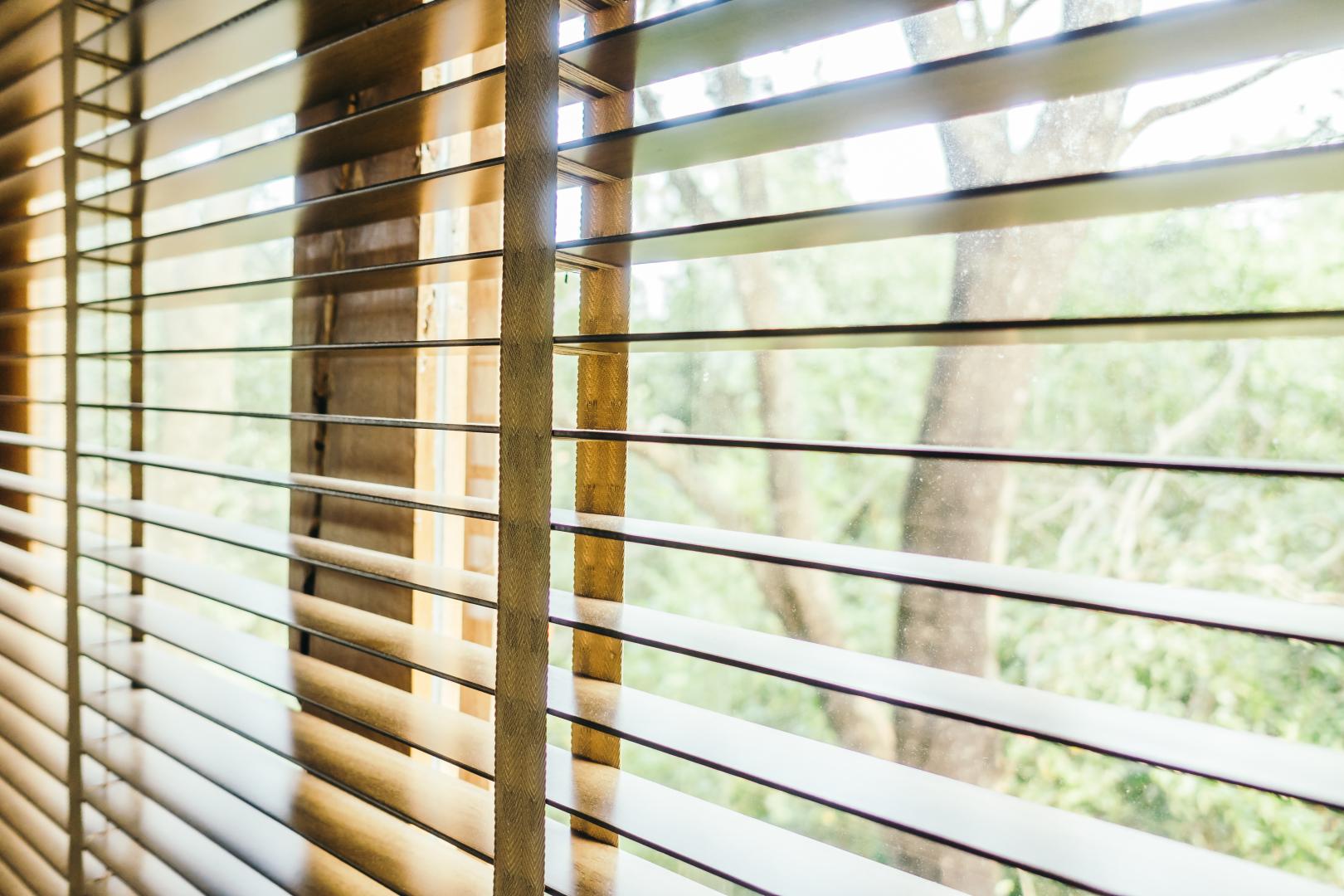
There are many types of window blinds, but they all could be characterized as hard window coverings made from individual horizontal or vertical slats, also called louvers. This structure gives you two ways to control light: you can tilt the slats to the right angle, or you can raise and lower the entire stack of window blinds to clear the glass completely. Using blinds for windows is a classic choice. They typically come in durable materials like wood, faux wood, and aluminum, making them a practical choice for many spaces.
Pros:
-
Excellent Light Management: The ability to tilt the slats gives you great control over how much light enters a room and where it goes.
-
Budget-Friendly: Blinds are generally on the affordable side of window treatments, offering a lot of function for the cost.
-
Very Durable: Materials like faux wood and aluminum are tough, moisture-resistant, and hold up well to daily use.
Cons:
-
Can Be Tricky to Clean: Dusting each individual slat can be time-consuming compared to wiping down a single shade or putting drapes in the wash.
-
Limited Insulation: The gaps between the slats mean blinds don't offer as much of a thermal barrier as other options.
-
Less Privacy: While they block the direct view, light and shadows can still peek through the slat gaps.
Window shades
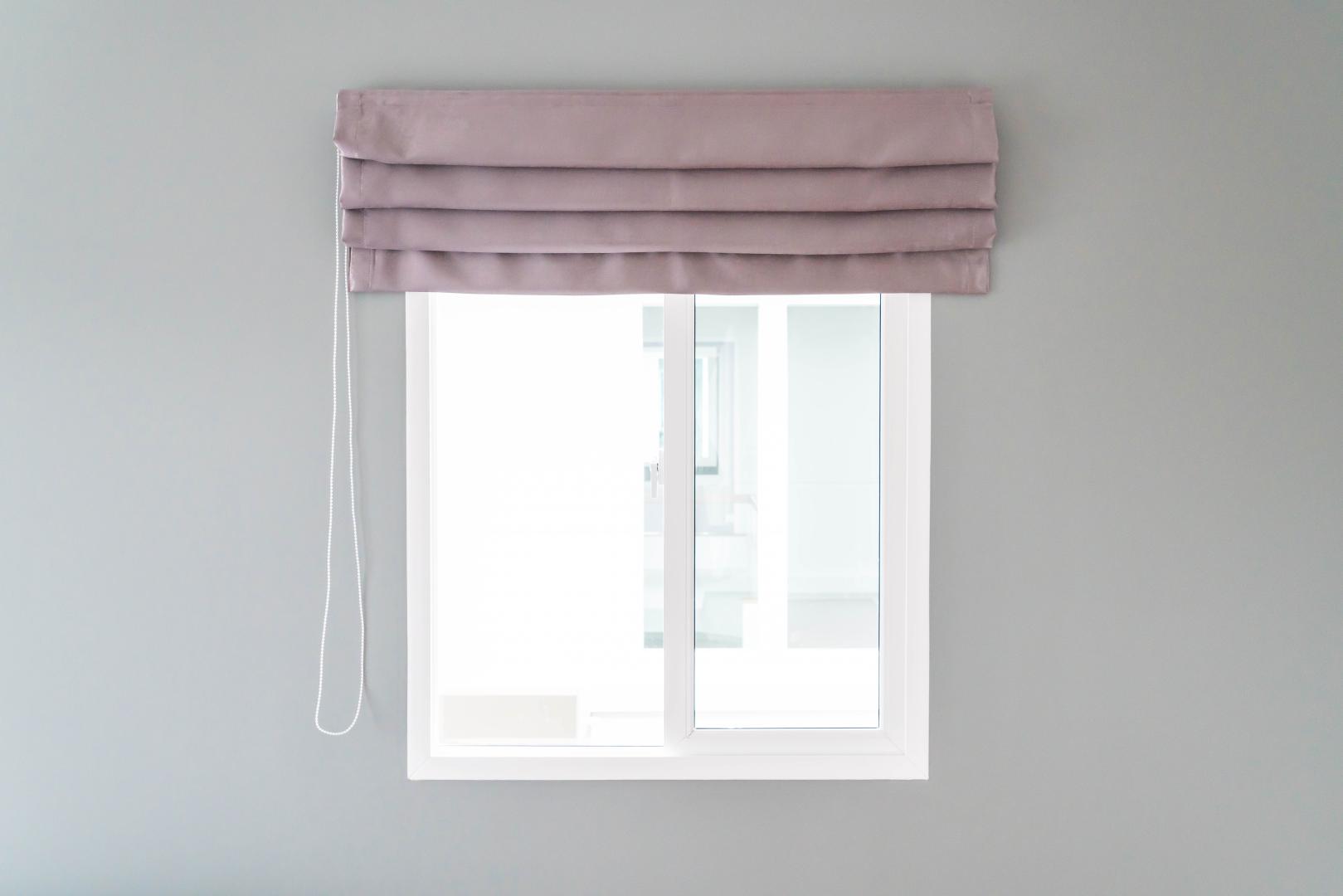
Unlike blinds with their individual tilting slats, window shades are always made from a single, continuous panel of fabric that functions by rolling up onto a tube or folding into neat pleats. Because shades are entirely fabric-based, the possibilities for customization are nearly endless, which is why designers love them. With custom window shades, you can pick the exact fabric, color, and pattern to match your room perfectly. Popular styles range from minimalist roller shades and elegant Roman window shades to highly insulating cellular shades. Modern options like motorized window shades are especially convenient, while blackout window shades are a game-changer for bedrooms.
Pros:
-
Great for Privacy: A solid panel of fabric creates a complete visual barrier and doesn’t leave any gaps.
-
Style Variety: With a huge range of fabrics and types, shades can fit any design style.
-
Good Insulation: Certain styles, like cellular shades, are specifically designed to trap air and improve energy efficiency.
Cons:
-
Less Light Flexibility: Most shades are either up or down, offering less nuanced light control than tilting blinds.
-
Fabric Can Stain: Unlike hard materials, fabrics can get stained more easily and may require more careful cleaning.
Window shutters
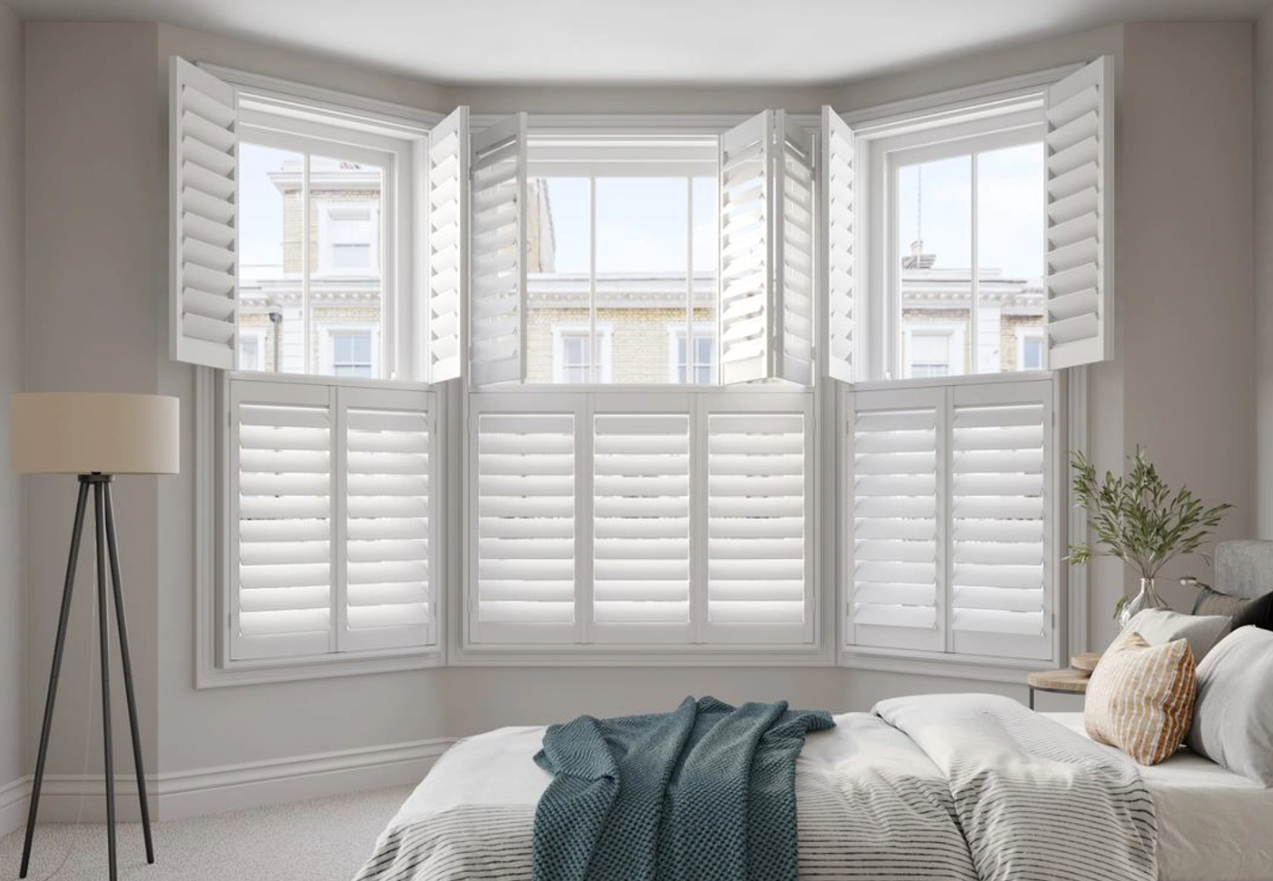
Interior shutters for windows are solid, framed treatments that are permanently installed on your window frame. You can think of them as built-in furniture for your windows. They have hinged panels that swing open, with built-in louvers that you can tilt to control light and privacy. Interior window shutters, often made from durable wood or composite, become a true architectural feature of the room, especially in rustic interior design, according to the experts at Better Homes & Gardens.
Pros:
-
Extremely Durable: Shutters are built to last and hold up to wear and tear.
-
Adds Home Value: Because they are a permanent feature, high-quality shutters are attractive to homebuyers.
-
Superior Light Blockage: The solid frame and interlocking louvers do an excellent job of blocking out light when closed.
Cons:
-
Highest Cost: Shutters are a significant investment and are the most expensive of the three options.
-
Permanent Installation: They can't be easily swapped out if you decide to change your room's style.
How to choose between blinds, shades, and shutters for every need
Knowing the basics is the first step, but the real decision comes down to how you need the window treatment to perform in your home. The best choice for a steamy bathroom isn't always the right fit for a bedroom that needs to be dark. Here’s a breakdown of the top picks for some common situations.
For kitchens and bathrooms
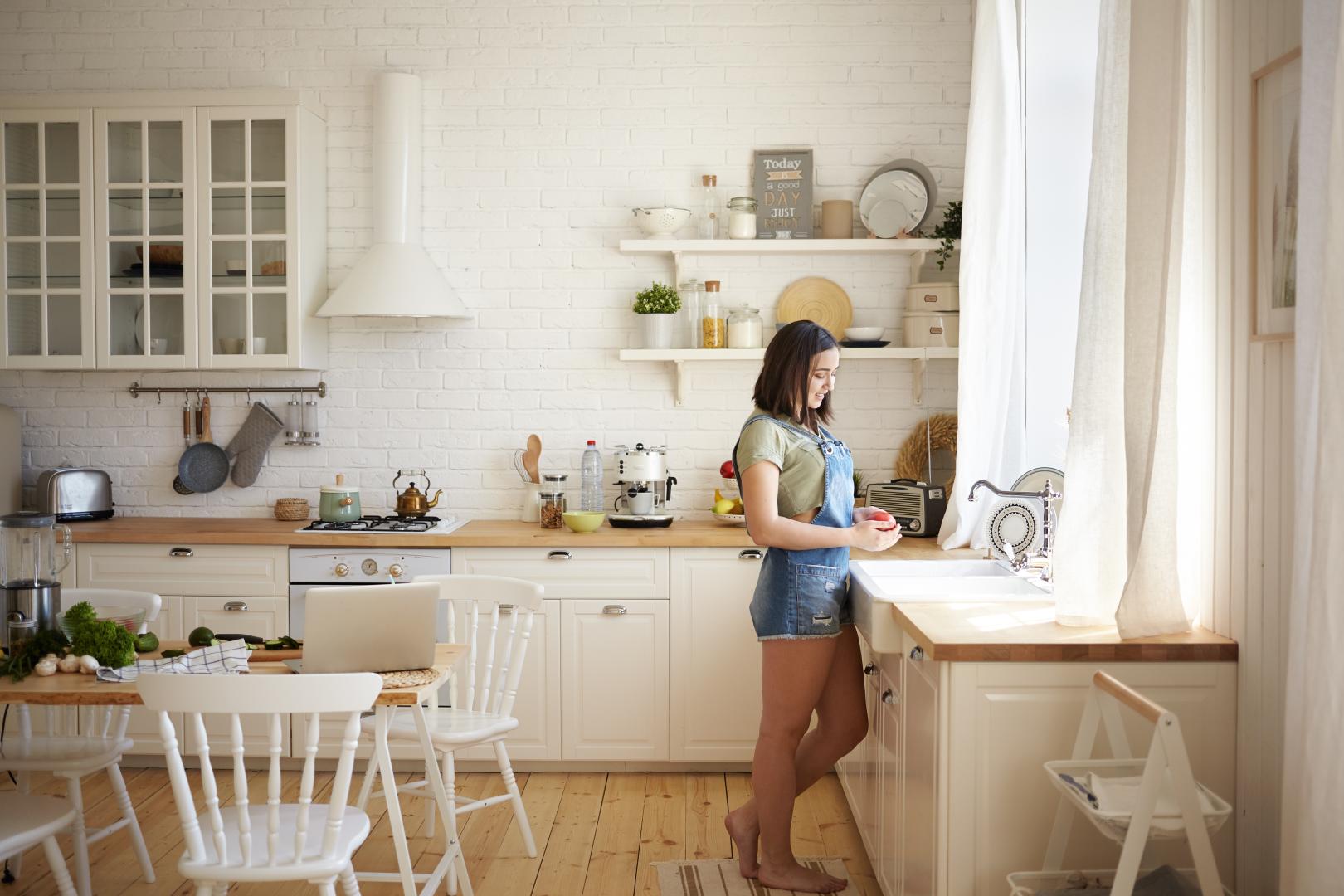
In rooms with high moisture and humidity, material is everything. Choosing waterproof materials is the best way to prevent mold, which can cause serious health issues, according to the United States Environmental Protection Agency. That’s why faux wood blinds or roller shades made from vinyl or PVC are the top options. Their synthetic construction won't warp, crack, or absorb moisture from steam and splashes. Plus, they are incredibly easy to wipe clean.
For privacy in bedrooms
For a bedroom, you want total privacy and a dark environment for better sleep. The Sleep Foundation states that exposure to light can disrupt your natural sleep cycle, which is why blackout shades for windows are your best friend here. A blackout roller or cellular shade is made with an opaque fabric that blocks nearly all incoming light. Shutters are also an excellent choice, as their solid frame and interlocking louvers leave very few gaps for light to creep in.

For improving energy efficiency
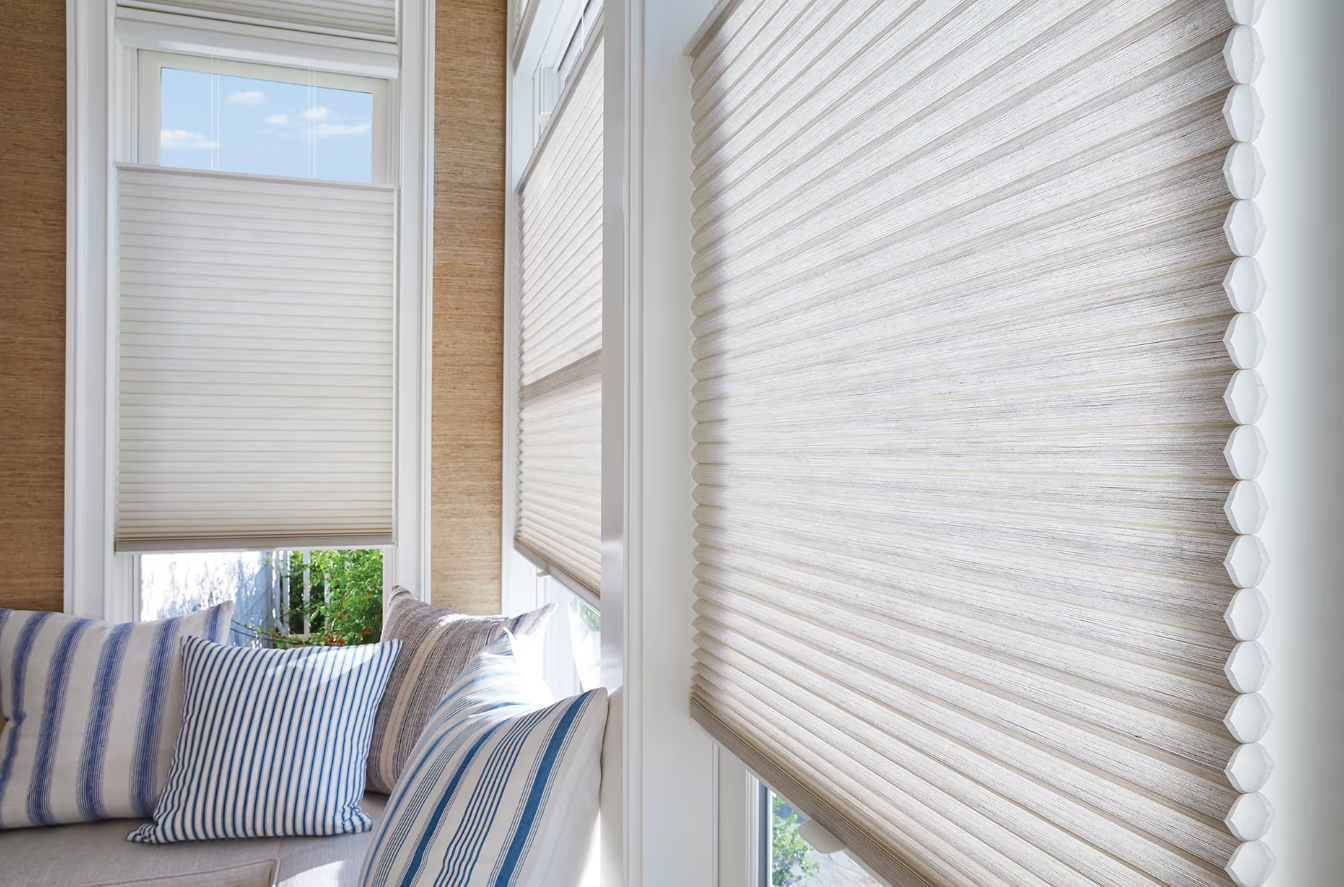
Windows are a major source of heat loss in the winter and heat gain in the summer. The U.S. Department of Energy confirms that the right window treatments can make a huge difference, and when it comes to insulation, cellular shades are the clear winners. Their unique honeycomb-shaped pockets are designed to trap air, creating an insulating barrier at the window. This helps keep your home's temperature more stable and can lead to lower energy bills.
For small spaces and minimalist design
If you want a clean, uncluttered look, simple is better. Shades or roller blinds for windows look very slim and practically disappear when rolled up. For any type of treatment, choosing an "inside mount" (one that’s installed inside the window frame) is a great way to save space. It creates a sleek, built-in look that doesn't take up any wall space.

For homes with kids and pets
For homes with children, safety is the absolute number one priority. As the Window Covering Safety Council highlights, dangling cords are a serious safety hazard, which is why cordless window blinds or cordless shades are the best choice. You can even go for motorized window shades for more convenience. Shutters are also an excellent choice as they are naturally cordless and very sturdy.
For pet owners, the main challenge is often keeping the home clean. Fur, paw prints, and curious claws can leave their mark, so look for materials that are tough and easy to wipe clean. Faux wood blinds and shutters are great because they resist scratches and can be cleaned with a simple wipe. If you prefer fabric shades, choose a durable, low-maintenance one that can be easily vacuumed.

What to consider when choosing blinds, shades, or shutters
Now that you have a good handle on the core differences between blinds, shades, and shutters, we can get to the fun part: figuring out which one is actually right for you. This is where you move beyond the technical definitions and start thinking about your personal style, your budget for the project, and your lifestyle. Here are some practical factors to consider when choosing a window treatment you’ll be happy with for years to come, not just for a few months.
Design and appearance
The window treatment and material or fabric color you choose have a huge impact on the overall feel of the space. Here’s a quick look at the aesthetic each one typically brings to a space.

-
Blinds: Give your room a very clean and put-together look. Their crisp, hard lines are perfect if you're going for a classic, minimalist, or even a professional home office vibe.
-
Shades: All about softness, color, and texture. You can make them the star of the show with a bold, patterned Roman shade, or have them quietly blend in with a simple, modern roller shade.
-
Shutters: Feel like they are a built-in part of your home's architecture. They have a solid, timeless quality that works beautifully with styles like modern farmhouse, coastal, or classic traditional.
Cost and budget comparison
There is a window treatment for every budget, and it's helpful to know where each one generally falls. We've broken them down into three main price tiers.
-
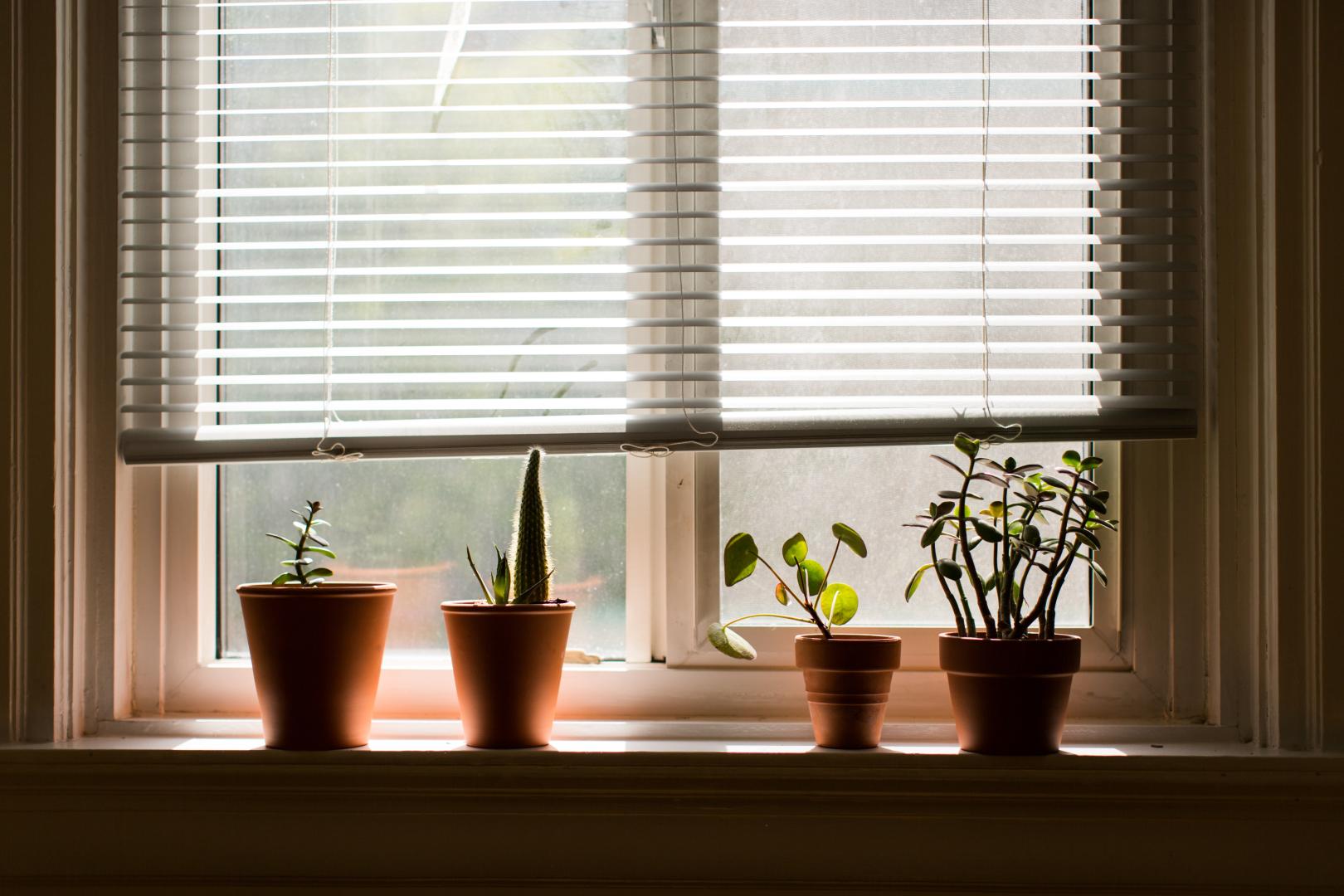
Budget-Friendly: Blinds are typically the most affordable option. They give you a ton of functionality without a big upfront cost.
-
Mid-Range: Shades have the widest price range. You can keep it simple and affordable with a standard roller shade, or go for a more custom look with a beautiful Roman shade, which would be more of an investment.
-
Premium Investment: Shutters are definitely a long-term investment in your home. While they have the highest price tag, they're also built to last for decades and can even add to your home's resale value down the road.
Maintenance and cleaning
It's important to be honest with yourself about how much time you want to spend on cleaning. The required upkeep varies significantly between the different types.
-
Easiest to Clean: Simple roller shades and shutters are the winners here. A quick wipe-down with a damp cloth is all they usually need.
-
Requires Some Care: Textured shades, like cellular or soft Roman shades, can be kept fresh with a weekly vacuum using a soft brush attachment.
-
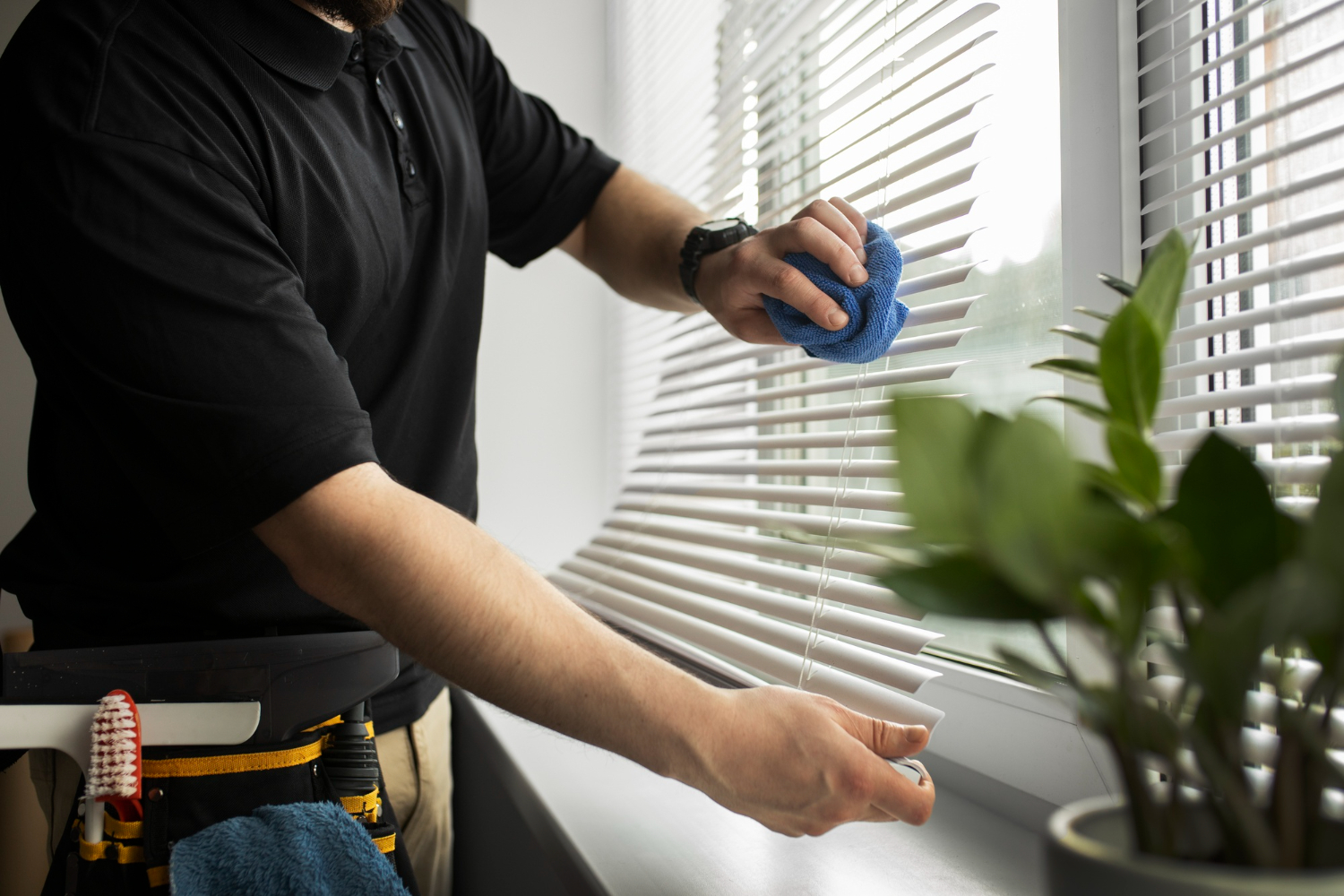
Most Time-Consuming: Blinds are the most high-maintenance of the three. Because dust collects on each individual slat, you'll have to spend time wiping them down. For a step-by-step guide, the team at The Spruce has a great tutorial on how to properly clean them.
A quick comparison: Blinds vs. shades vs. shutters
We've covered a lot of detail, which can be a lot to remember. To make it easier, here is a simple chart that puts the key features of blinds, shades, and shutters side-by-side. Use this as a quick reference to help you solidify your decision.
|
Feature |
Blinds |
Shades |
Shutters |
|
Light Control |
Good (Tilting slats offer flexibility) |
Fair (Usually just up or down) |
Excellent (Precise louver control) |
|
Privacy |
Good |
Excellent (Solid panel has no gaps) |
Excellent (Solid, structured barrier) |
|
Insulation |
Fair |
Good to Excellent |
Excellent |
|
Style/Look |
Clean & Traditional |
Soft & Varied (Fabric-based) |
Architectural & Timeless |
|
Durability |
Good |
Fair to Good (Fabric dependent) |
Excellent (Long-term fixture) |
|
Cleaning Effort |
High (Individual slats) |
Low to Medium |
Low (Easy to wipe down) |
|
Best Use Cases |
Budget projects, kitchens, and offices |
Bedrooms, style focus, energy savings |
Long-term investment, classic style |
|
Average Cost |
$ |
$$ |
$$$ |
Final verdict: Blinds, shades, or shutters for your home?
There are excellent window treatment options for every home, from durable blinds to custom window shades. The right choice ultimately comes down to your lifestyle, budget, and the specific needs of your space.
-
For budget & function → Blinds offer excellent light control at a great price.
-
For style & customization → Shades come in endless fabric options for perfect privacy and good insulation.
-
For long-term durability → Shutters are a premium, built-in feature that adds value to your home.
-
For energy savings → Cellular shades are specifically designed to insulate your windows and can help lower your energy bills.
-
For homes with kids & pets → Cordless shades and shutters are the safest and most durable options.
No matter what you choose, the goal is to find a window treatment that is both functional for your daily life and a beautiful part of your home's design. Start by exploring our custom window treatment services or contact the FabricMill team for personalized advice on your project. We’ve also prepared a guide to curtains or drapes if you want to use them to complement your windows.
Frequently asked questions
How to measure for window shades and blinds?
For an inside mount, measure the width inside the frame and use the narrowest measurement. For an outside mount, measure the width you want to cover plus a few inches on each side for overlap. Always use a steel tape measure for the most accurate results.
How to install window shades?
To install most shades, simply drill the included brackets into your window frame or wall, making sure they are level. Then, snap the headrail of the shade securely into the brackets.
How to clean fabric window shades?
For daily care, lightly dust or vacuum your fabric shades with a soft brush attachment. For small stains or a deeper clean, The Spruce recommends a full cleaning process, but you can usually spot-treat with a damp cloth and mild soap.
How to paint window shutters?
For a smooth finish, start by thoroughly cleaning and lightly sanding the shutters to prepare the surface. Apply a quality primer followed by two thin coats of paint for the best results.
How to take window blinds off?
To remove blinds, locate the locking clips on the mounting brackets that hold the top headrail in place. Simply lift or push these clips to unlock the headrail, which then allows you to pull the blind free. You can learn more in this guide from the experts at The Spruce.
How do you close window blinds?
To lower the blinds, pull the lift cord sideways to unlock it and then guide them down. To close the slats for privacy, twist the separate tilt wand or pull the tilt cord until they are fully shut.