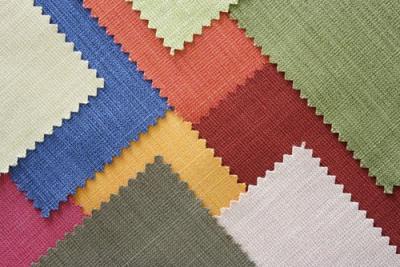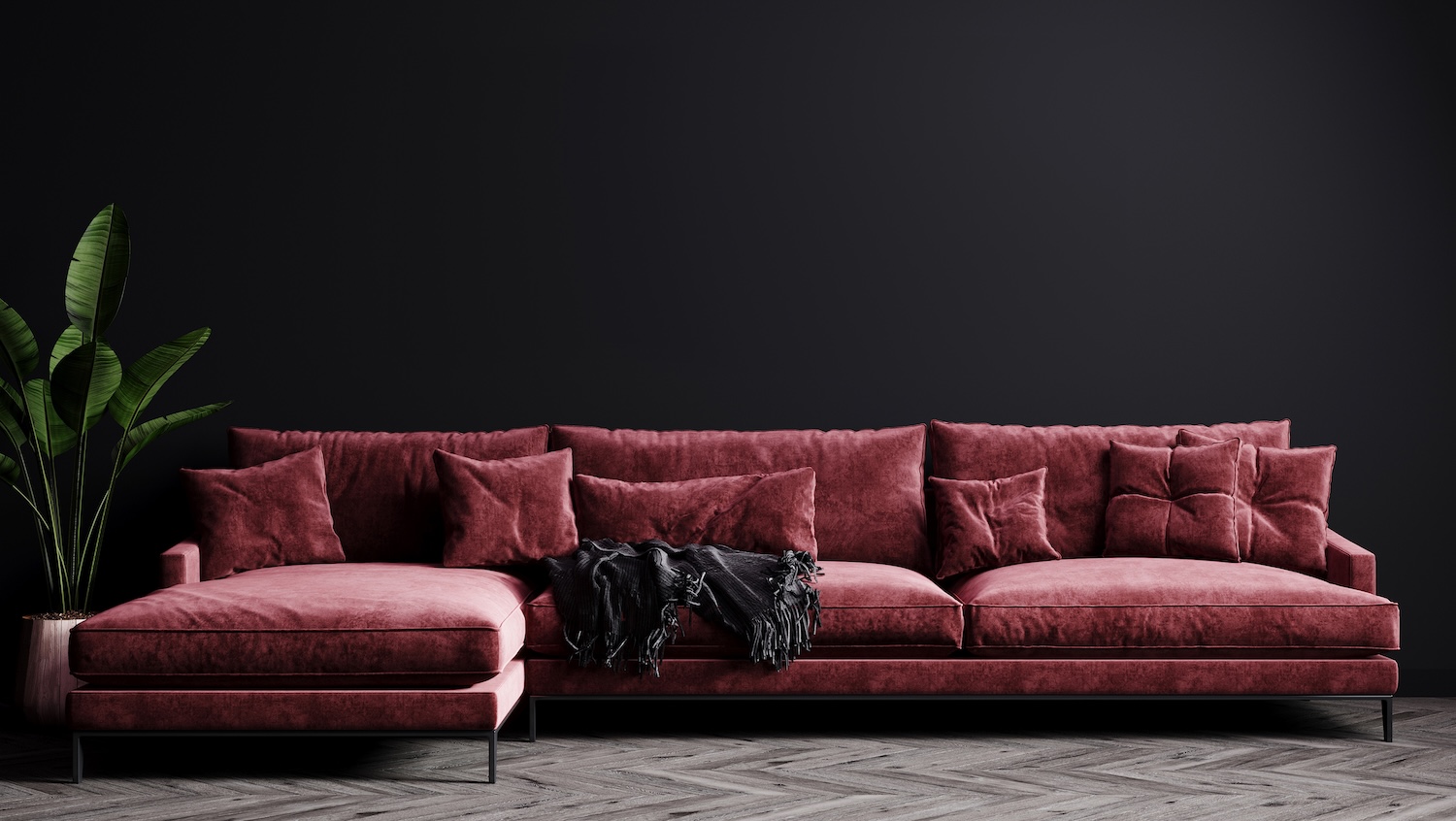
Chenille is a soft fabric with a fuzzy, textured pile that catches the light and feels warm when you touch it. The name (pronounced shuh-NEEL) comes from the French word for caterpillar, which is just what the fuzzy yarn looks like up close. Most chenille sold for the home is woven from cotton, polyester, or rayon, and many modern versions carry a stain-resistant finish for everyday wear.
Here are the key points at a glance:
-
Feel: Soft and warm, with a soft shine and a fuzzy, textured surface.
-
Made of: Cotton, polyester, rayon, or a blend, spun into a fuzzy pile yarn.
-
Durability: Holds up well to daily use, and performance versions resist stains and suit homes with pets and kids.
-
Best for: Sofas, armchairs, cushions, throws, and other comfortable home upholstery.
In this guide, we explain what chenille fabric is, what it is made of, how well it holds up, and where it works best.
What is chenille fabric?
Chenille fabric is woven, with a soft, fuzzy pile and gentle shine. It is made using a special chenille yarn that has short fibers standing out along its length, which gives the finished cloth its velvety, textured surface. Chenille can be woven from natural fibers like cotton or synthetic fibers like polyester and rayon, so the exact feel and care needs vary by blend.
What is chenille made of?
Chenille refers to both a type of yarn and the fabric woven from it, so the answer has two parts. The yarn comes first. Short lengths of fiber, called the pile, are placed between two core yarns that are then twisted tightly together. The trapped fibers stand out at right angles in every direction, creating the fuzzy, rounded surface. Merriam-Webster traces the name to the French word for caterpillar, thanks to the appearance of the yarn, and defines chenille as a yarn with a protruding pile. The technique dates back to 18th-century France.
The fibers themselves can be natural or synthetic. Cotton chenille feels soft and breathable and is popular for throws and casual furniture. Polyester and rayon chenille are common for upholstery because they resist wear and hold color well. Many fabrics blend these fibers to balance a soft feel with everyday durability.
How does chenille look and feel
Chenille has a warm, soft feel that many people compare to a well-loved blanket. Run your hand across it, and you’ll feel how the raised pile gives a gentle, brushed texture rather than a flat, smooth one. It’s comfortable against bare skin, which is one reason it works so well on furniture people actually relax on.
The fabric also has a quiet sheen. Because the pile fibers point in different directions, they catch the light at different angles, giving chenille a subtle two-tone or shimmering look as you move around the room. This makes it a more elegant option than plain woven cotton. If you are comparing textures, chenille sits close to velvet fabric, though velvet has a smoother, continuous pile and a stronger shine.
How durable is chenille fabric?
Chenille is a hard-wearing choice for most home furniture when you pick the right weight and finish. Quality varies widely, though, so a few details make the difference between a fabric that lasts for years and one that shows wear quickly.

Everyday wear and double rubs
When you shop for a chenille sofa fabric, look at the double-rub count. This is a wear rating that shows how much rubbing a fabric can take before it starts to look worn. Testers measure it on a machine that rubs a pad back and forth across the fabric, and as SCHAP Specialty Machine, which builds the equipment, explains, each single back-and-forth pass counts as one double rub. In everyday action, it stands for, for example, a person sitting down and getting back up, so a higher count means the fabric can take more daily use before it wears out. For a family sofa, aim for at least 15,000 double rubs, and 30,000 or more for heavy daily use. A tightly woven chenille at that level will hold up for years.
Pilling and snagging
Chenille has a couple of habits worth knowing. The raised pile can snag on sharp objects like zippers, jewelry, or pet claws, and lower-quality chenille may pill or shed slightly at first. Choosing a densely woven fabric with tightly twisted pile yarns keeps this to a minimum. If a loose fiber appears, trim it with scissors rather than pulling it to protect the surrounding weave.
Chenille for homes with pets and kids
Homes with pets and kids do best with performance chenille. These fabrics, such as the Crypton finish and other performance lines, carry a stain-resistant treatment that repels spills and wipes clean easily. A densely woven, treated chenille also stands up better to claws and daily family traffic than an untreated version.
How to care for and clean chenille
Chenille is easy to live with when you follow a simple routine. A little regular attention keeps the pile looking fresh and prevents most stains from setting in.
Routine care
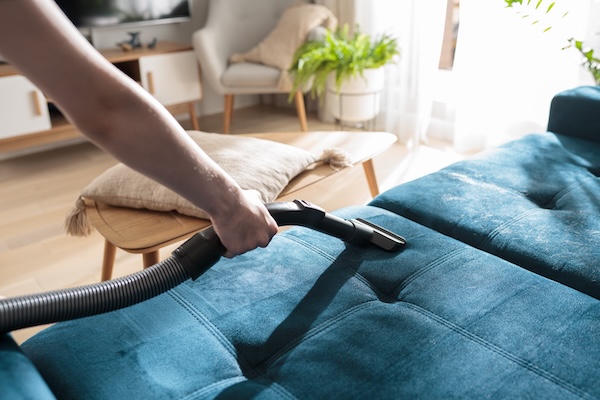
Vacuum chenille regularly with a brush attachment to lift dust and crumbs from the pile. Going over it lightly once a week keeps the surface even and stops grit from wearing down the fibers. Fluff flattened areas with a soft brush to help the pile keep its full, soft look.
Cleaning spills and stains
For spills, blot gently with a clean, damp cloth rather than rubbing, which can flatten or fray the pile. Always check the manufacturer care code on the fabric label first, since cotton chenille and synthetic chenille can call for different methods. As Rainbow Restoration explains, an S code means solvent-only cleaning, a W code allows water-based cleaners, and WS allows either. Most home chenilles carry an S code, while performance chenilles often allow W or WS cleaning. For a deeper clean on older or delicate fabric, a specialist upholstery cleaner is the safest route.
Best rooms and projects for chenille
Chenille suits any space where comfort matters, which is why it turns up most often in living rooms, family rooms, and reading corners. Here are the projects it handles best.
Chenille sofas and armchairs
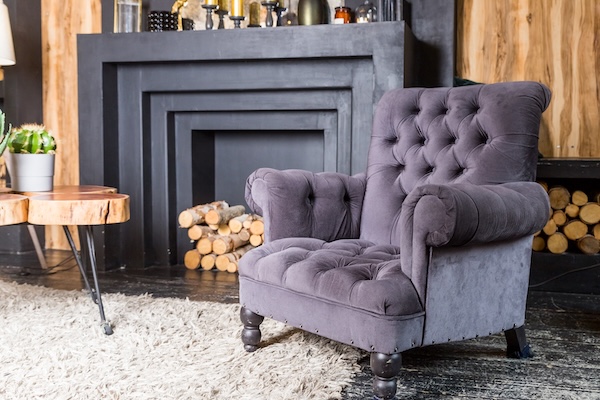
A durable, performance chenille is a comfortable, durable choice for everyday seating. Its soft feel makes a sofa or armchair inviting to sink into, while a stain-resistant finish keeps it practical for daily use. Look for a heavier weight here, since a main sofa takes more wear than any other piece in the room.
You can learn more about what fabrics are best suited for furniture and how to choose the right one in our Complete Guide to Upholstery Fabric.
Chenille cushions and throws
Chenille can give a bed or sofa a soft, textured layer and pairs well with smoother fabrics like cotton or linen. Cushions and throws are also an easy, low-cost way to try the fabric before committing to a full upholstery project. You can mix chenille cushions with plainer covers to refresh a room's look without reupholstering anything.
Chenille accent upholstery and headboards
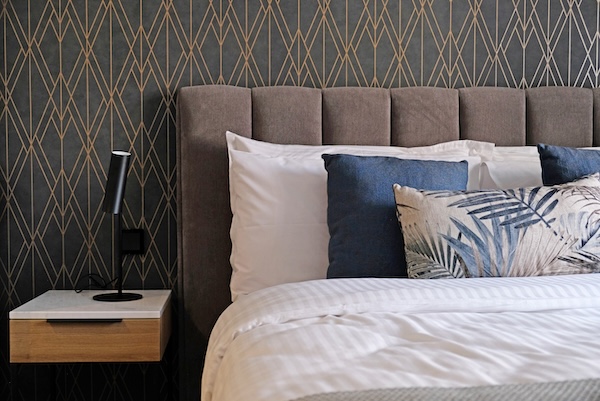
Ottomans, benches, and headboards gain a warm, textured look from chenille fabric. Because these pieces see less heavy use than a main sofa, you have more freedom to choose a softer or more decorative fabric. For instance, a chenille headboard is very comfortable to lean against while reading in bed.
Chenille curtains and home décor
Lighter-weight chenille works for curtains, table runners, and craft projects where you want a soft finish. Neutral shades like gray are easy to fit into most rooms and pair well with existing furniture. For curtains, the fabric's slight weight also helps them hang in smooth, even folds.
Pros of chenille fabric
Chenille has earned its popularity for a handful of clear reasons. Here is what it does well:
-
Soft, warm, and comfortable to sit on
-
Subtle sheen that looks more elegant than plain weaves
-
Available in cotton, polyester, and rayon to fit different needs
-
Performance versions resist stains and suit busy households
-
Hides everyday creases and light marks thanks to its textured surface
Cons of chenille fabric
No fabric is perfect, and chenille has a few limits to take into consideration before you buy:
-
The raised pile can snag on sharp objects and pet claws
-
Lower-grade chenille may pill or shed at first
-
Some blends need solvent-only cleaning
-
It is not the best pick for very high-traffic commercial use without a performance finish
-
Untreated cotton chenille can absorb spills faster than a coated fabric
How to choose the right chenille fabric
Picking the right chenille fabric comes down to matching the fabric to how the furniture will be used. Run through these points before placing your order:
-
Fibre: Cotton for soft, breathable throws and casual pieces; polyester or rayon blends for hard-wearing upholstery.
-
Weight and double rubs: Look for 15,000 or more double rubs for a sofa, and 30,000 or more for a very busy family room or commercial space.
-
Performance finish: Choose a stain-resistant chenille if you have kids or pets.
-
Colour: Mid-tone and neutral shades hide marks better than very light ones.
-
Care code: Check whether the fabric is solvent-only or allows water-based cleaning so it fits your routine.
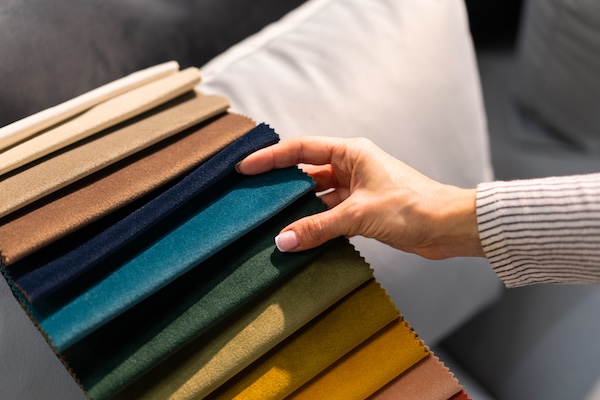
Chenille is usually sold by the yard, so measure your project first and add extra for matching the weave. For more help on comparing chenille with other options, see the ultimate guide to different fabric types.
Conclusion: Is chenille right for your space?
Chenille is a soft, hard-wearing fabric that works well on comfortable sofas, chairs, cushions, and throws. It can be made from cotton, polyester, or rayon. Chenille also holds up well to daily use and offers performance versions that suit homes with pets and kids. If you want a fabric that feels comfortable and looks elegant without being fussy, chenille is a reliable pick for most family homes.
Ready to pick the fabric for your next project? Browse the chenille fabric collection at Fabric Mill to compare colors, blends, and performance finishes for your next project.
Frequently asked questions
What is chenille fabric made of?
Chenille is made from a fuzzy pile yarn woven into fabric. The yarn traps short fibers, which can be cotton, polyester, rayon, or a blend, between two twisted core threads. Cotton feels soft and breathable, while polyester and rayon add wear resistance for upholstery.
Is chenille fabric durable?
Yes, chenille is durable when you choose a tightly woven fabric with a suitable weight. For a family sofa, look for at least 15,000 double rubs, which signals heavy-duty residential wear, and 30,000 or more for heavy use. Performance chenille with a stain-resistant finish lasts even longer in busy homes.
Is chenille good for households with pets and kids?
Performance chenille is a smart choice for homes with pets and kids. These fabrics carry a stain-resistant finish that repels spills and wipes clean easily. Standard chenille can still work, but its raised pile may catch claws, so a densely woven, treated version holds up better to daily family life.
What is the difference between chenille and velvet?
Both are soft pile fabrics, but they feel and look different. Velvet is a short, dense pile fabric with a smooth surface, which gives it a formal shine. Chenille has a fuzzier, more textured surface and a gentler shine, so it reads more relaxed and casual for everyday family rooms.
Is chenille a good fabric for a sofa?
Chenille is a good sofa fabric, as long as you pick a durable, tightly woven version. It feels soft and comfortable for daily lounging and comes in performance finishes that resist stains. For high-use family sofas, choose a chenille rated at 30,000 double rubs or more for the best lifespan.
How do you clean a chenille sofa?
Vacuum the sofa with a brush attachment, then blot spills with a damp cloth rather than rubbing. Check the care code on the label, since some chenilles need solvent-only cleaning. For a deep clean, a professional upholstery cleaner protects both the pile and the weave from water damage.