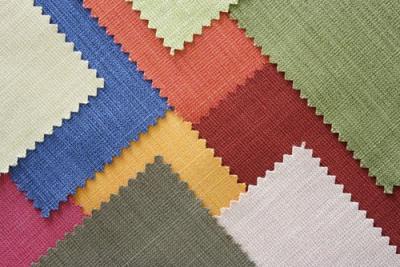
Bedroom curtains are functional window treatments that create privacy and control light so that you can get a restful night of sleep. You should select your fabric first because the fiber and weight dictate how the room handles morning sun and street noise. You can pick a color that fits your mood and furniture once you’ve picked out the material.
-
Fabric: Focus on performance. Velvet and thermal fabrics trap heat while muting sound. Blackout materials create complete darkness. Linen and cotton are light and breathable.
-
Style: Match the design of the rest of your bedroom. Use bright colors or floral patterns for light-filled rooms or blackout curtains for modern designs.
-
Color: Pick a shade that helps you rest. Sage green, navy blue, and soft neutrals are all wonderful and calming options.
In this article, we look at how each fabric performs and help you pick the right colors and functional solutions for your space.
How to choose bedroom curtain fabric?
To pick the right material, think about how it will behave once you hang it up. Look for privacy and enough weight to block out the annoying morning light that wakes you up before your time. Check the drape of the material because a heavy fabric like velvet hangs in straight, formal lines while a lighter linen curtains have a soft, wavy look. You should also decide if you want to add a curtain liner fabric to protect your drapes from sun damage and give them a professional, full appearance.
For even more detailed advice, you can also refer to our Curtains & Drapes: Complete Fabric & Style Guide.
Top 5 types of bedroom curtain fabric
To pick the right fabric, think about how it will look in your room and if it has the physical properties you need. These five popular choices range from high-end styles to simple designs that fit any budget or lifestyle.
1. Velvet bedroom curtains
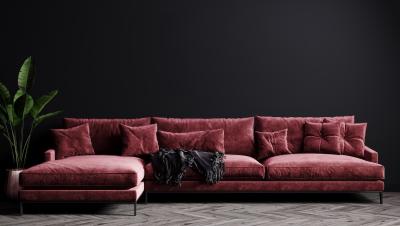
Velvet fabric remains the top choice for master bedroom curtains because of how well it absorbs light and sound while creating deep, beautiful shadows. Although it feels heavy, the material feels very cozy and blocks out drafts during cold nights. If you want high performance, you should choose a high-density velvet that stays looking new for years and provides a formal look at the window.
Best for: Light sleepers who need total darkness and noise reduction.
2. Linen bedroom curtains
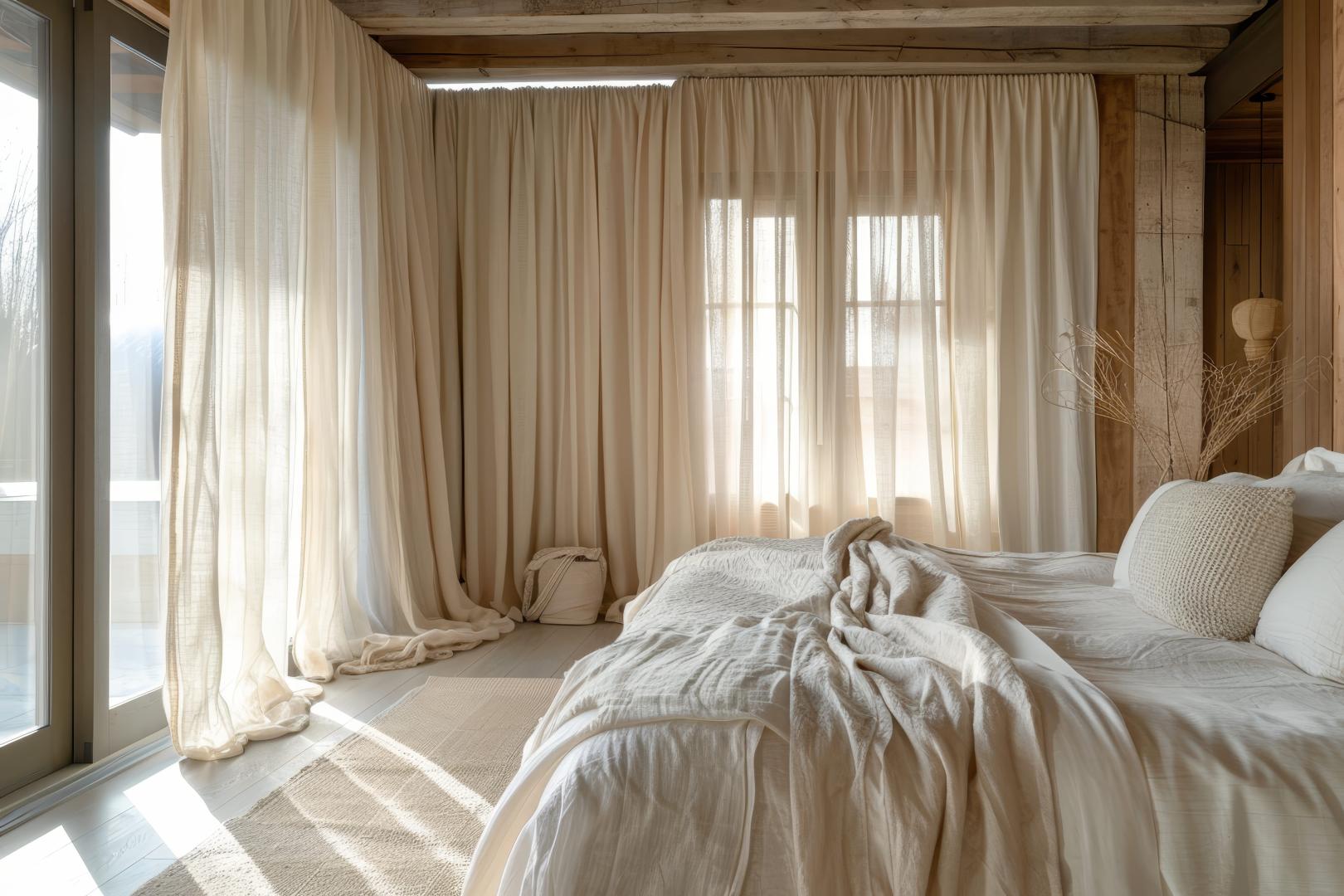
Linen bedroom curtains are durable and breathable, so they’re great at regulating the temperature of your room throughout the year. Since linen fabric is naturally translucent, you’re going to have to add a blackout liner if you want to block out the morning sun. The woven texture feels relaxed and softens the sharp edges of modern furniture
Best for: Modern, coastal, or rustic rooms where you want a laid-back feel.
3. Cotton bedroom curtains
Cotton bedroom curtains are popular because they are easy to style and generally come in an endless range of patterns. Cotton fabric is a reliable mid-weight choice that works in almost any climate since the fiber breathes and hangs cleanly. Whirlpool notes that cotton is typically safe for machine washing, making it one of the easiest fabrics to maintain in a busy home.
Best for: Guest rooms and spaces where you want bright patterns or floral bedroom curtains.
4. Synthetic bedroom curtains
Modern synthetic blends are used for curtains very often because they resist wrinkling and fading better than most natural fibers. They are a practical alternative to natural fibers and provide many style choices at a lower cost. If you have a room that receives intense sunlight, you should choose a polyester blend that maintains its color and keeps your window treatments looking fresh.
Best for: Sunny windows and those looking for affordable bedroom curtains.
5. Silk bedroom curtains
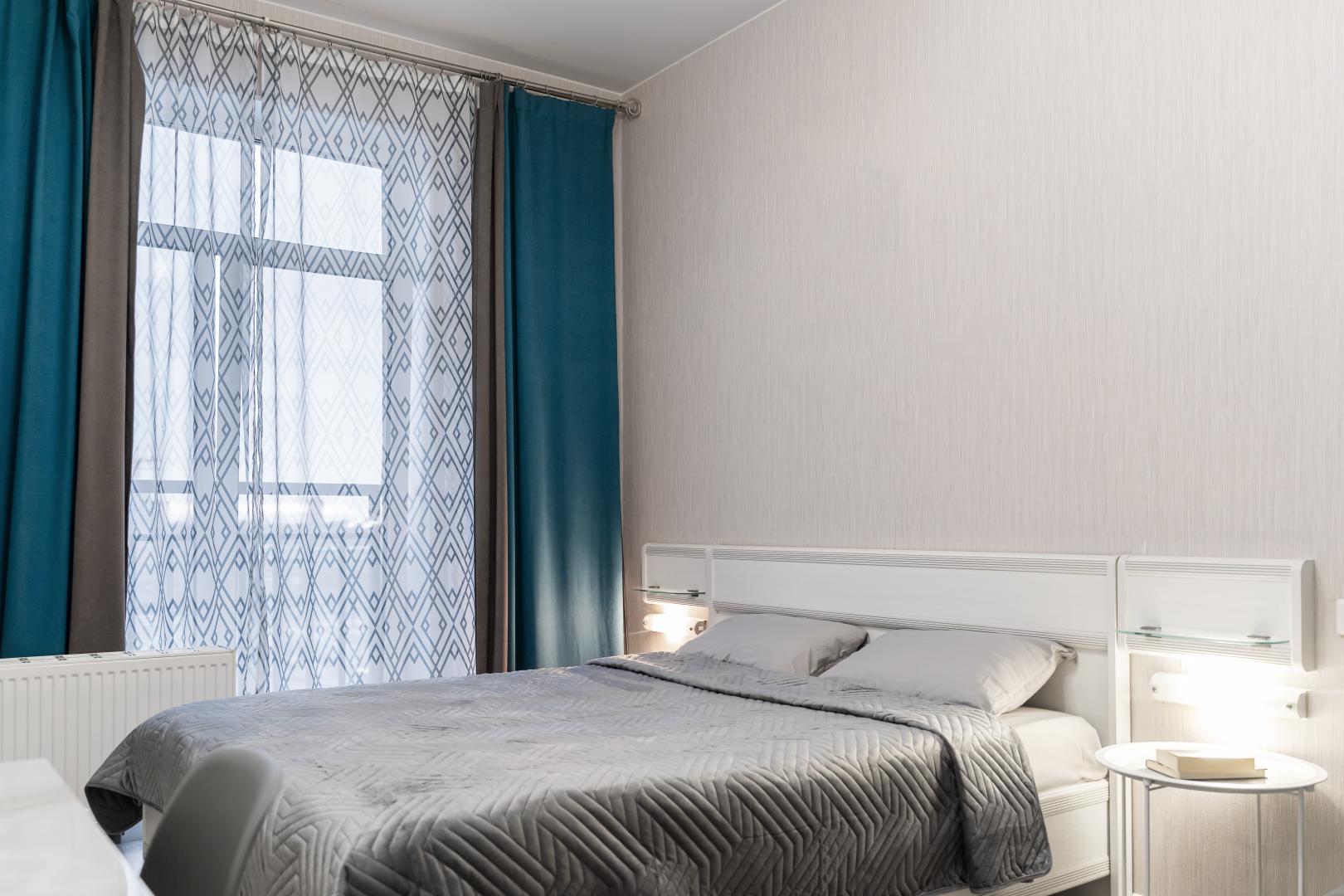
Silk fabric has a luxurious, high-end shimmer. You can even choose embroidered silk fabric for your master suite for a custom look. Since silk sustains damage from UV rays, we always recommend that you use a protective curtain liner fabric to block out heat. This delicate needs to be carefully placed so the sun does not weaken the threads or cause the color to fade during the bright summer months.
Best for: Formal bedrooms and creating a glamorous atmosphere.
Functional bedroom curtain fabric solutions
Performance remains important in a bedroom because your window treatments solve specific problems like unwanted light or high energy bills. These practical choices help you fix issues like heat or noise coming in from the street.
Blackout bedroom curtains
Blackout bedroom curtains block nearly 100 percent of incoming light because they include a built-in coating or a separate liner. This is perfect for shift workers sleeping during the day or anyone sensitive to morning sun who requires total darkness to stay asleep. When you install the fabric close to the frame, it creates a dark environment that helps you maintain a healthy sleep schedule and dampens outside traffic noise for a better and healthier sleep.
Best for: Nurseries and bedrooms that face bright streetlights.
Sheer bedroom curtains
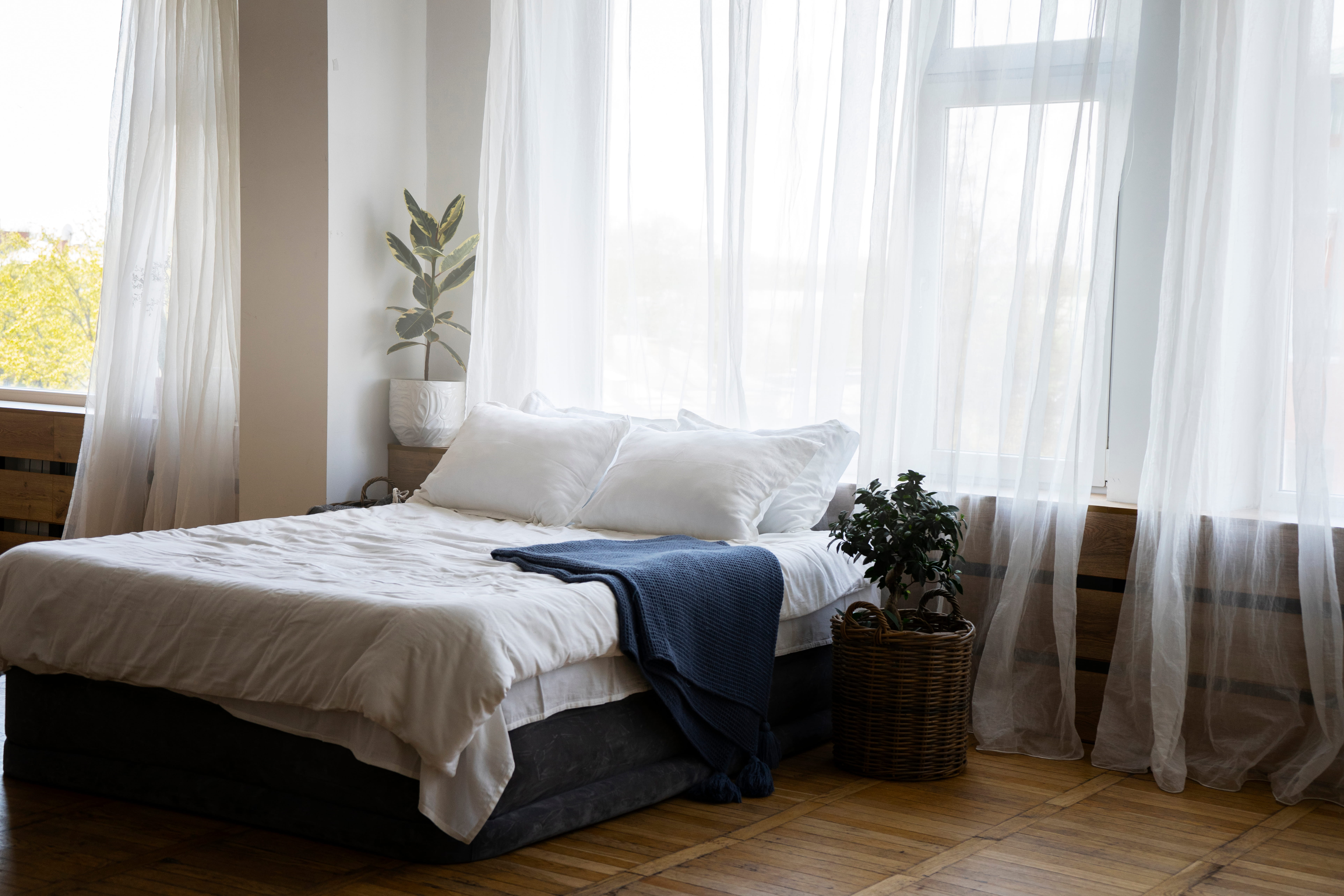
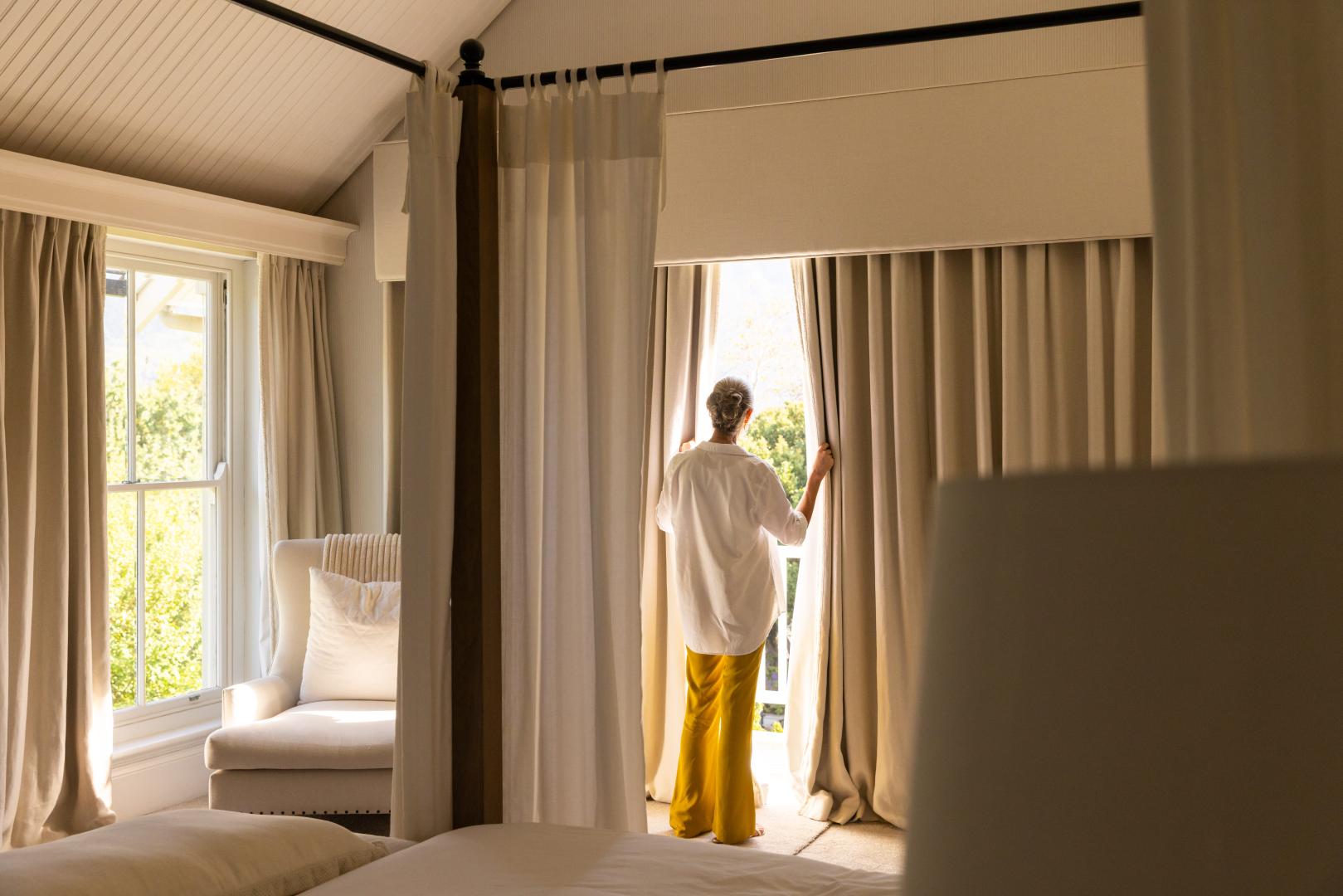
Sheer curtains for bedroom windows give you privacy during the day while letting you enjoy natural light without outsiders seeing in. Sheer fabric works best when you layer the curtains under heavier drapes because the loose weave allows air to move through the room. You can learn more about the benefits of combining these styles in our guide on sheer vs. blackout drapes. Since this fabric is lightweight, it creates a soft glow that makes small interiors look larger and much more open to the view.
Best for: Layering and providing daytime privacy without blocking the sun.
Thermal bedroom curtains
Thermal bedroom curtains have become a functional staple. Using thermal curtain fabric helps you stay comfortable while lowering your utility bills. Data from The U. S. Department of Energy shows that about a third of a home’s heating energy is simply lost through the windows. Because this insulating fabric for curtains creates an air pocket, it significantly reduces heat loss during the winter.
Best for: Older homes with drafty windows or cold climates.
Best colors for bedroom curtain fabric
The color you choose sets the mood for your sleep. Current trends focus on earth-toned palettes that feel grounded and minimalistic.
Blue bedroom curtains
Blue bedroom curtains are a popular choice because they make a room feel quiet and peaceful. Darker navy shades help a space feel solid and cozy, while light blue tones make smaller guest rooms feel airy. Since blue is a color that helps people relax, it coordinates easily with dark wood or metal furniture to create a quiet sleeping area.
Best for: Reducing stress and creating a peaceful, ocean-inspired retreat.
Gray bedroom curtains
Homeowners often find that gray bedroom curtains work with almost any style because shades like charcoal or light dove gray act as a solid base for your decor. These colors, which let your bedding and furniture stand out, keep your room looking modern for many years. Since gray fabric pairs with both warm and cool colors, you can easily update your pillows and bedding whenever you want without needing to buy new window treatments.
Best for: Minimalist interiors and rooms where the furniture is the focal point.
Sage green bedroom curtains
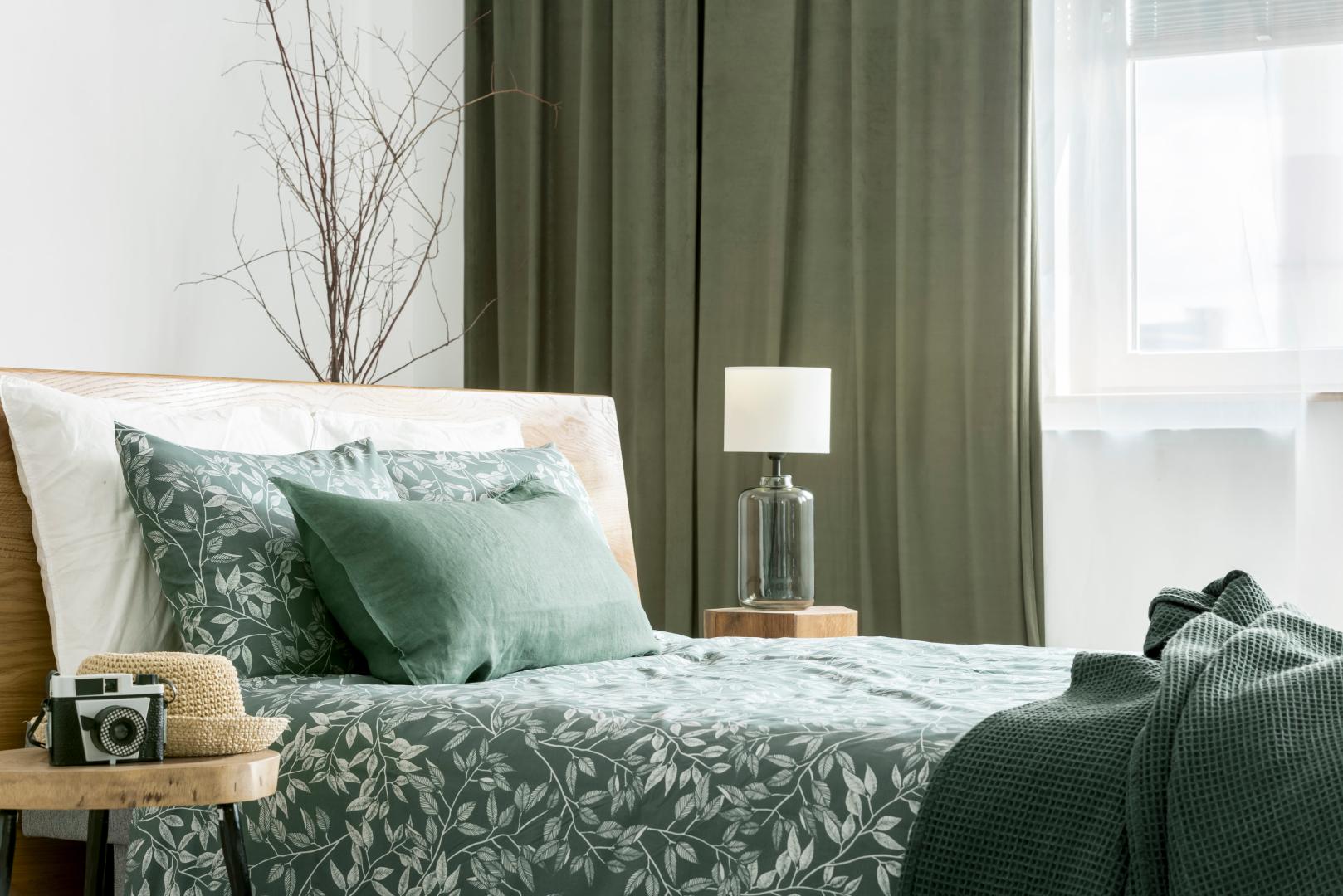
Sage green bedroom curtains are a leading trend for 2026 because this earthy tone helps the nervous system relax. According to the experts at EasyRest, it is one of the best choices for a restful sleep environment since the color reminds us of nature and helps create a quiet space. Many homeowners choose green fabric when creating a space that feels connected to the outdoors and stays interesting without being too bold.
Best for: Bringing a natural, outdoor feel into the bedroom.
Pink bedroom curtains
Modern rose and pink blackout curtains create a warm feeling that looks grown-up. Although many people associate pink with nurseries, designers often use these accents to make rooms with cold materials like metal or stone feel more inviting. If you select a muted pink shade, it acts as a neutral that works well with wood furniture so that the entire space feels calm.
Best for: Coziness and a subtle pop of color to neutral palettes.
Maintaining and cleaning bedroom curtain fabric
Cleaning your curtains regularly keeps the air in your room fresh and protects your investment. According to the experts at The Spruce, you should deep clean your window treatments every three to six months to prevent dust, dander, and oils, especially from pets, from permanently discoloring the fabric.
-
Routine Dusting: Use the soft brush tool on your vacuum once a month. Since dust often lands on the folds, you should clean the panels while they hang to reach every spot.
-
Spot Cleaning: If you see a small stain, use a damp white cloth and some mild soap. Since rubbing can break the fibers in cotton or linen, you should only blot the spot gently.
-
Steam over Ironing: Use a handheld steamer to get rid of wrinkles. Traditional irons can get too hot and might melt synthetic fibers or leave shiny marks on your velvet curtains. Always check the manufacturer's care instructions.
-
Professional Care: You should take luxury fabrics like silk or lace to a professional dry cleaner. Because natural fibers often shrink in the wash and blackout coatings can crack in a hot dryer, professional care is the safest bet.
Final verdict: What is the best bedroom curtain fabric?
The right choice depends on your lifestyle and the specific needs of your space.
-
Choose Velvet or Blackout if: You are sensitive to light while sleeping, want to lower your energy bills, or need to dampen outside street noise.
-
Choose Linen or Cotton if: You want to maximize natural light during the day, prefer a relaxed aesthetic, or want a breathable material for a warmer climate.
-
Choose Silk or Synthetics if: You want a luxury look for a formal master suite or need a durable, easy-to-clean option for a child’s bedroom.
We offer more than two thousand fabric options to build the exact style you want for your windows. Explore our collection of textiles and custom window treatment services today to get your project started.
Frequently asked questions
How long should bedroom curtains be?
Floor-length bedroom curtains remain the standard for a professional look. Most designers prefer long curtains for bedroom windows that puddle slightly on the floor because this style blocks light leaks at the bottom. You should only use short curtains for bedroom windows if a radiator or piece of furniture prevents the fabric from reaching the floor.
How to hang bedroom curtains?
Hang your curtain rod for bedroom windows about 4 to 6 inches above the window frame. If you want the room to feel taller, hang the rod closer to the ceiling to draw the eye upward. Extending the rod 6 to 10 inches past the sides of the window also makes the glass look wider.
Should bedroom curtains touch the floor?
Curtains in bedroom settings should typically at least kiss the floor to ensure proper light blocking and insulation. If the panels hang too high, they can look unfinished and allow cold drafts to enter the room. Using long curtains for bedroom windows that touch the floor also helps to create a quieter and much more cozy sleep environment.
How to measure bedroom curtains?
To calculate your bedroom curtain fabric, measure the width of your window and multiply it by 2 or 2.5 to achieve proper fullness. For length, measure from the rod down to the floor while considering any extra inches for puddling. You can use an online curtain calculator, such as Fabric Calculator, to make sure you order the right amount of yardage for your specific window size.
How to pick a curtain color for the bedroom?
Look at your existing bedding and rugs to find a primary shade that you can repeat in your bedroom curtain decor ideas. If your room features many patterns, you should choose solid neutral bedroom curtains to create a sense of balance. Selecting a shade that matches the wall color can also make a small bedroom feel much more spacious and calm.