Patterned fabrics are textiles that feature a repeating design, such as florals, stripes, or geometric shapes. No matter which print you choose, fabric patterns add layers to the design, hide stains, and inject personality into modern spaces. For a quick overview of how to style them, here are the key points:
-
Style: The fabric pattern can define the mood of the whole space. Use floral patterns for a natural feel, plaids for coziness, or animal prints for texture.
-
Material: Match fiber to function. Choose tight weaves for durable upholstery and lighter linens or cottons for draping.
-
Mixing: Stick to one color palette and compare fabric swatches to see how they’re going to work together before purchasing.
Below, we break down specific types of patterned fabrics, explain which materials work best for furniture and which for windows, and provide the tips you need to match prints like a pro.
Step 1: Select your style of patterned fabrics
The first step is identifying the mood you want to create. Browsing fabric patterns online becomes much easier when you know exactly which aesthetic fits your space.
1. Tropical and floral fabric pattern
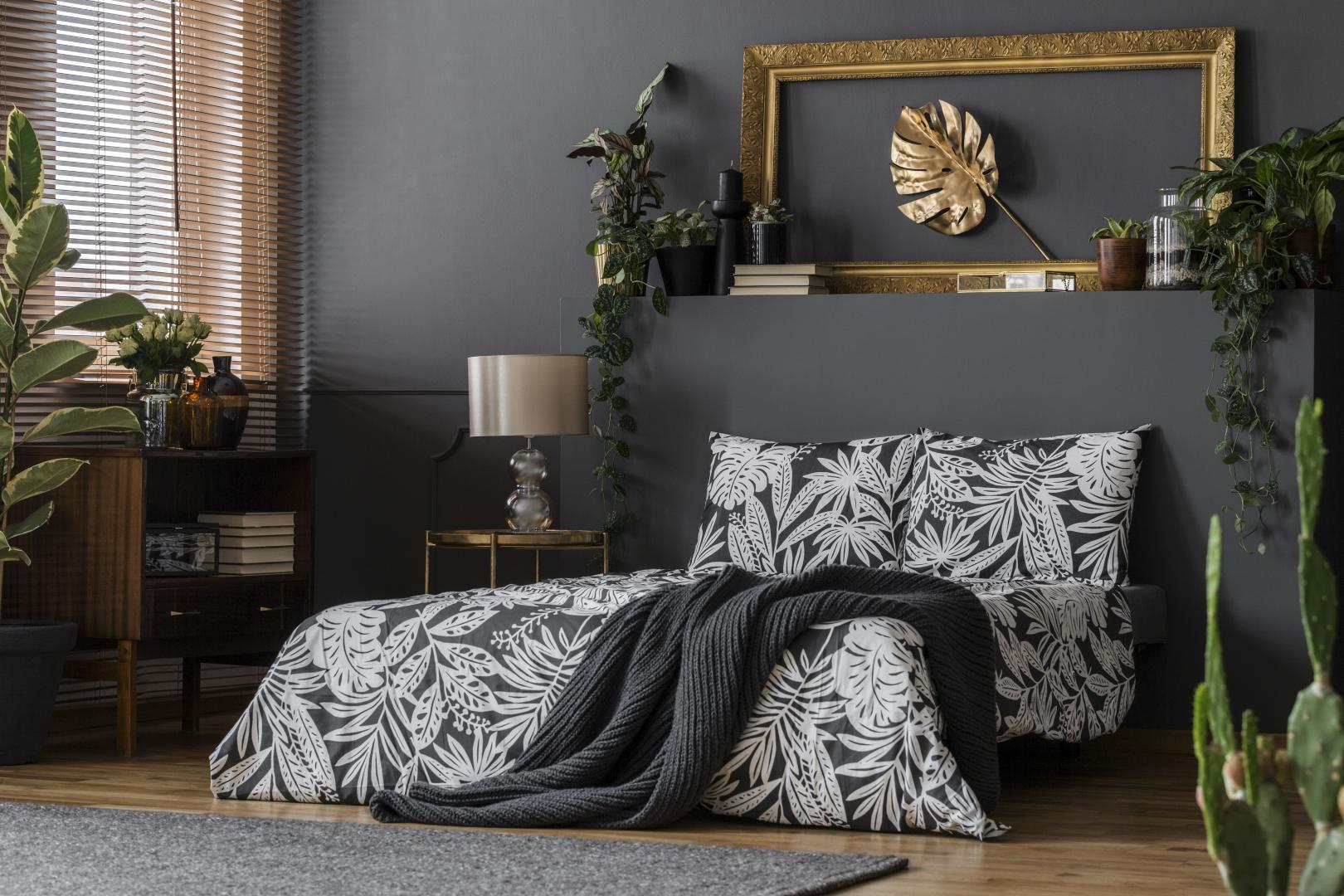
Tropical and floral prints are the cornerstone of biophilic design, the trend of bringing the outdoors in. A bold tropical print fabric with large palm leaves or an intricate floral pattern fabric can soften the hard edges of modern furniture. In a neutral room, these organic shapes act as the "hero" piece, instantly making the space feel more lively without requiring paint.
Best for: Statement drapes in living rooms, sunroom upholstery, and softening minimalist spaces.
2. Classic gingham and plaid fabric
Geometric patterns are all about clean lines and timeless appeal. A crisp navy plaid fabric or small-scale gingham adds a "Modern Farmhouse" or "Preppy" aesthetic that feels classical rather than trendy. These structured designs ground a room and pair beautifully with solid leathers or wood.
Best for: Dining chair upholstery, roman shades in a kitchen, dens, and masculine aesthetics.
3. Animal print fabric and faux furs
Designers often refer to animal print fabric as a "neutral." Because leopard, zebra, and faux fur textures typically use brown, black, and beige tones, they match almost anything while adding high-contrast texture. Use these prints on ottomans or throw pillows for a layer of glam and luxury in an otherwise simple room.
Best for: Ottomans, small rugs, accent pillows, and adding texture to minimalist interiors.
4. Paisley pattern fabric
For an intricate, global look, paisley pattern fabric offers complex, swirling details that break up solid blocks of color. The teardrop motifs work exceptionally well in monochromatic color schemes, adding a unique element without visual chaos.
Best for: Bedding, headboards, formal drapery, and bohemian-chic interiors.
5. Insect print and bird fabric
We’re seeing a return of whimsical patterns. Our bird, bee, and insect fabrics move beyond simple repeats, featuring detailed illustrations that feel almost like botanical art. Because these designs are so intricate, they work best on smaller furniture pieces where you sit close enough to appreciate the details.
Best for: Accent chairs, bench cushions, throw pillows, and cottage-core aesthetics.
6. Novelty fabric
Your home should reflect who you are. Novelty fabric includes a wide range of themes, from nautical maps to sports motifs, that are perfect to show off your personality. Similarly, our children’s and nursery fabric collection offers playful designs that kids love.
Best for: Game rooms, home offices, nurseries, and playrooms.
Step 2: Choose the right material for your patterned fabric
Once you have selected a pattern, make sure that the fiber suits the application. A delicate silk won't survive on a family sofa, and a heavy upholstery weight may not hang well as a curtain.
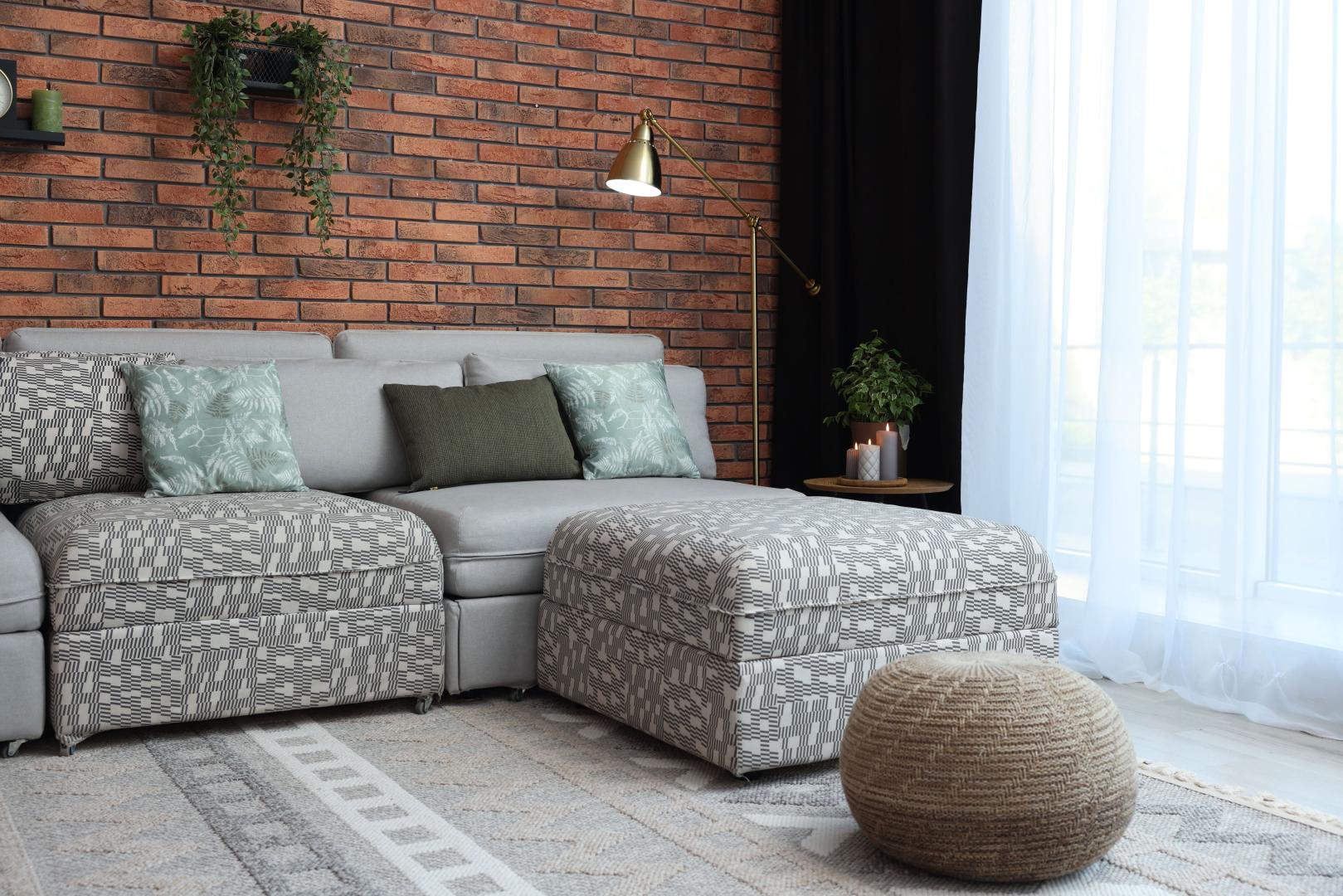
Patterned upholstery fabric
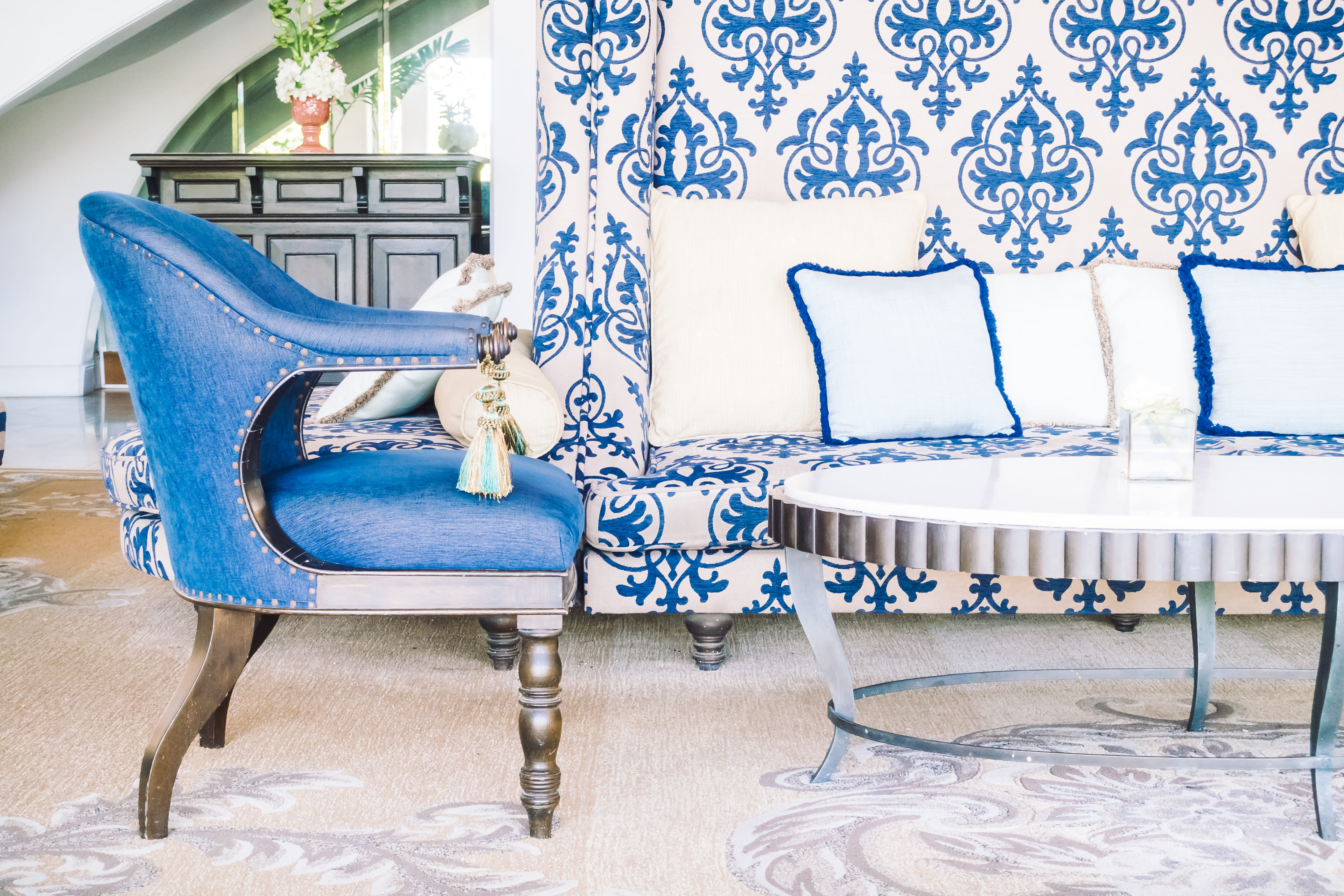
For couches with patterned fabric or high-traffic seating, look for tightly woven materials like cotton ducks, jacquards, or synthetic blends. Patterned upholstery fabric needs a high rub count to withstand friction and hold its shape, ensuring the design doesn't warp after years of sitting. Beyond their durability, these complex designs offer a practical advantage by camouflaging small stains and pet hair far better than solid colors ever could.
Patterned curtain fabric
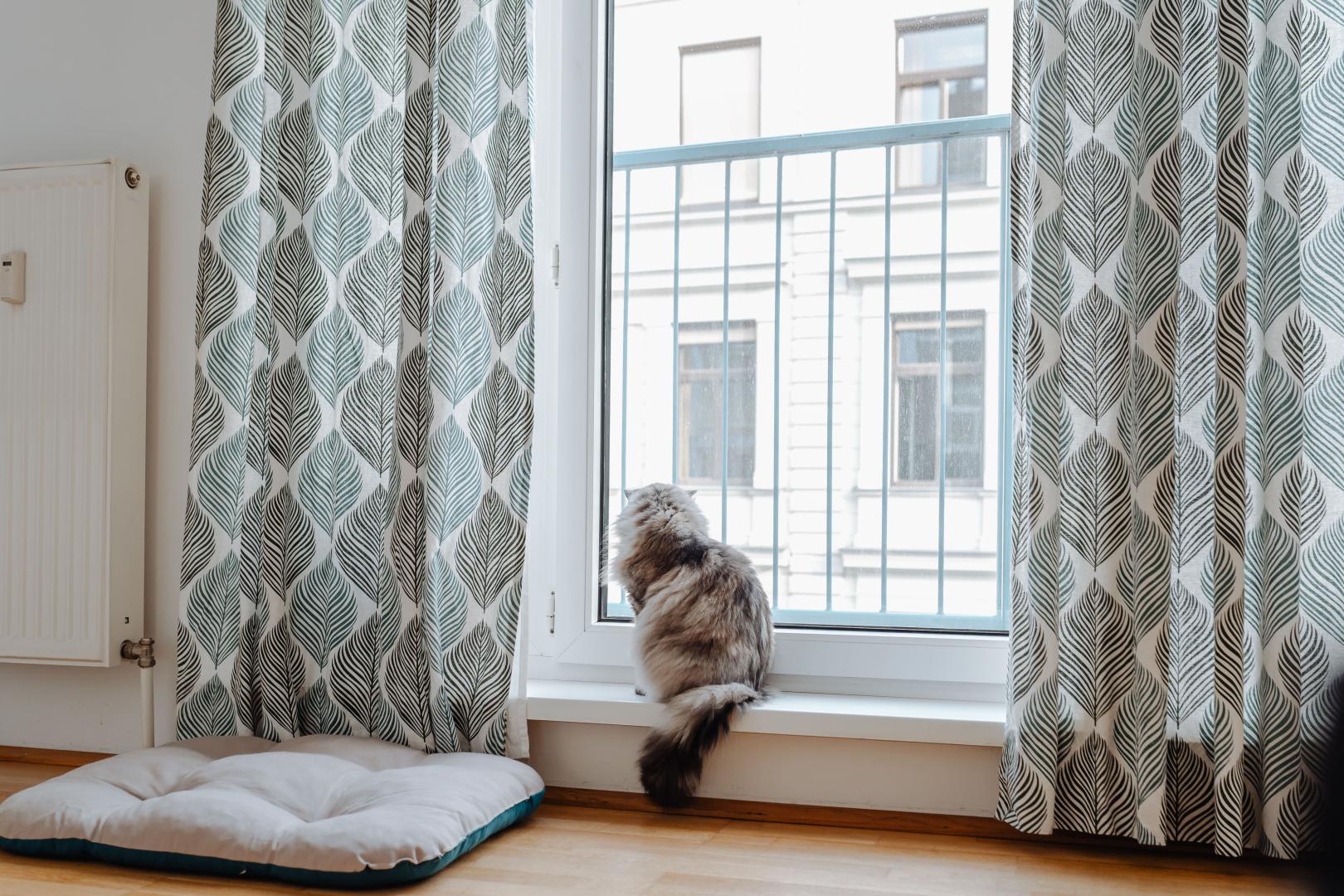
Fabric patterns for curtains need to be made on a lighter material to drape correctly. For instance, a patterned linen fabric lets light filter through the weave to illuminate the design. For bedrooms, you can add a blackout layer to get more privacy. Read more about the best fabrics for curtains and drapery in our guide.
Patterned decorative accents
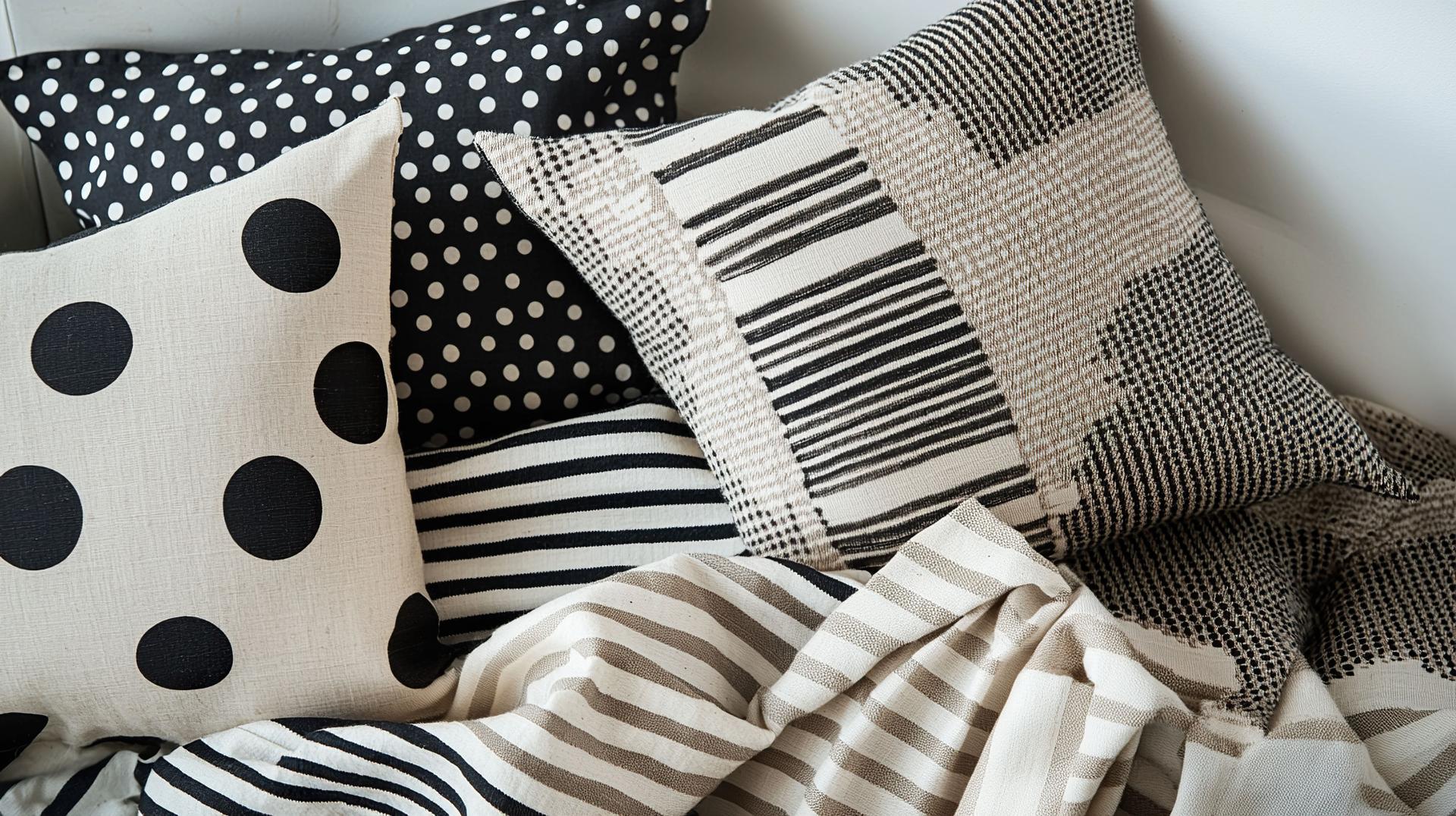
For decorative items that won't see heavy daily wear, such as throw pillows or an upholstered bench, you have the freedom to prioritize luxurious texture over strict durability. This is the perfect opportunity to indulge in a rich, patterned velvet fabric, delicate silk, or a fabric with features like intricate embroidery that would be too fragile for a main sofa. These accent pieces introduce high-end materials that elevate the room's design without needing to worry about constant maintenance.
Step 3: Mix and match your patterned fabrics
The difference between a professional design and a chaotic room is balance. Follow these three guidelines to get it right.
Test your mix before committing
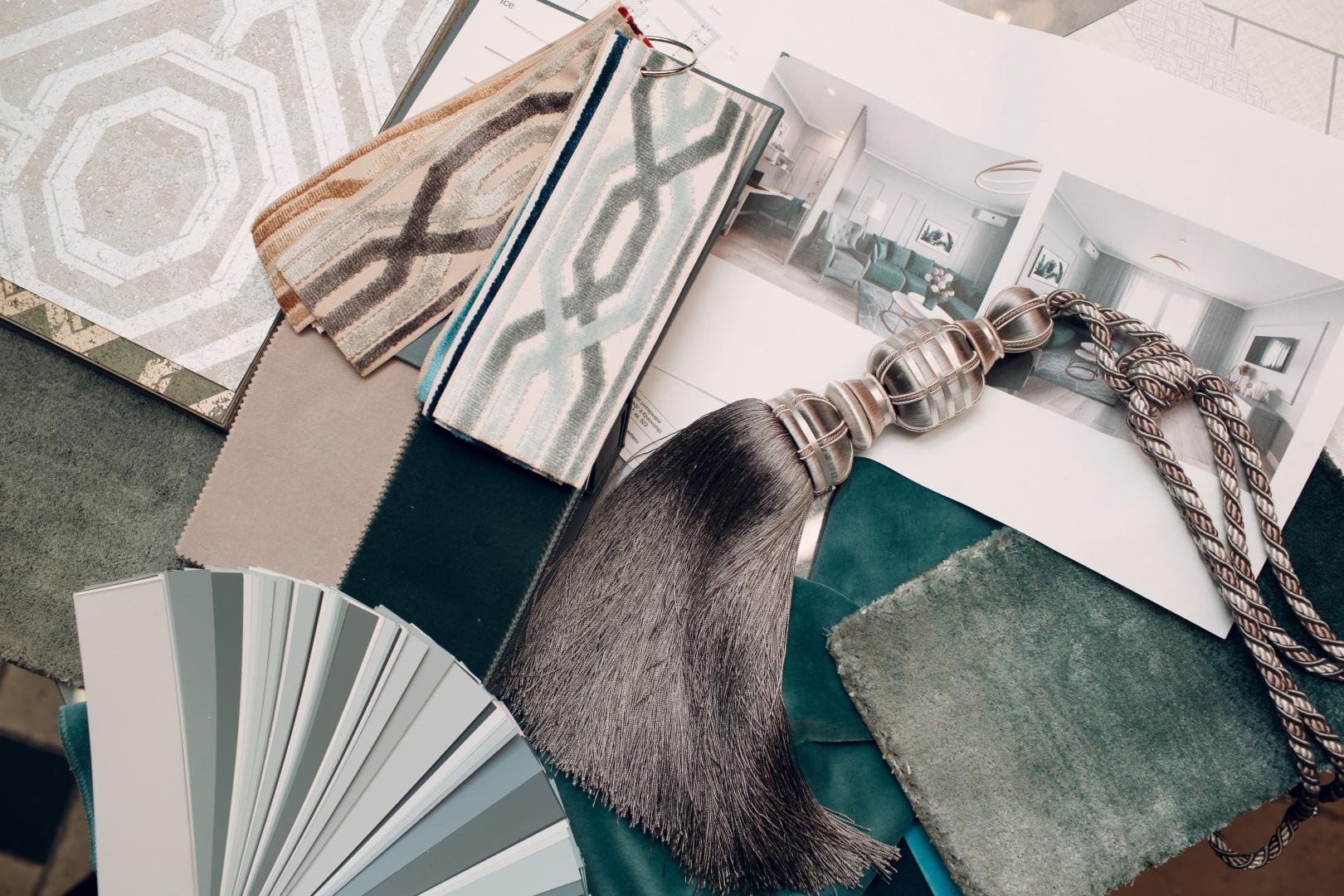
Before you order yards of fabric, it is smart to follow the "lay it out" rule recommended by the design experts at The Spruce. Simply place your physical fabric samples side-by-side, ideally in the room where they will live, to see if the colors and patterns actually work together or if they clash. This quick visual check is the best way to make sure your final combination feels curated and intentional.
Find a common color palette
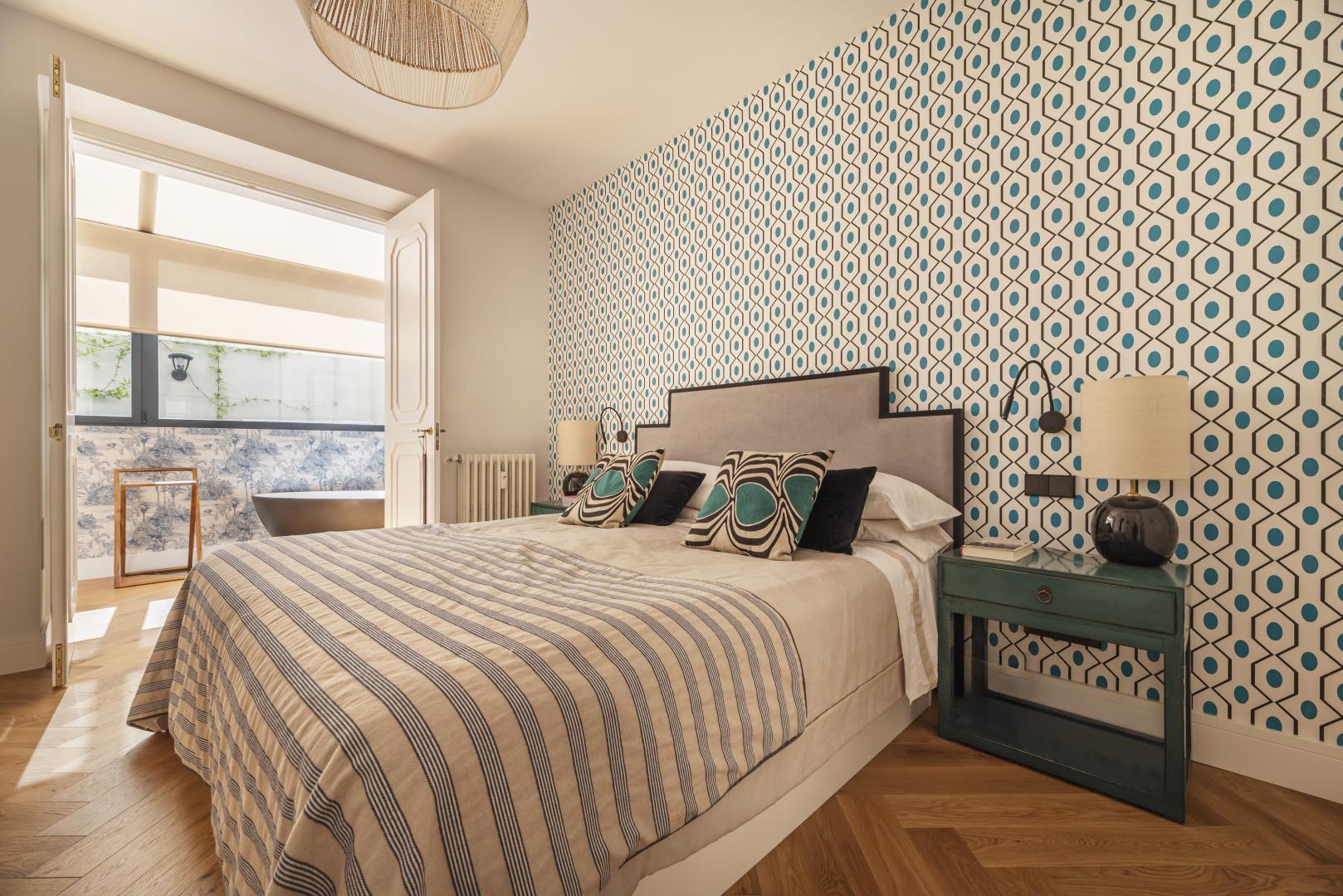
Color acts as the secret glue that holds diverse patterns together. The design specialists at ZigZagZurich recommend selecting two or three tones and repeating them across different pieces to ensure the look feels connected rather than forced. This shared palette means you can pair unlike items, such as a soft floral drape and a geometric cushion, while keeping the room harmonious.
Balance solids and white space
Give the eye a necessary place to rest by intentionally balancing your bold patterns with solid colors and negative space. If you have chosen a colorful, patterned rug and matching curtains, try keeping the sofa and walls solid to allow those patterns to truly pop. This technique prevents visual noise and lets your beautiful patterned fabrics remain the focal point rather than becoming a blur of activity.
Conclusion: Which patterned fabric works best for you?
Adding patterned fabrics is the quickest way to give a room a custom, finished look. The best choice depends on the ambiance you want to create and how much wear the furniture will see.
-
For a natural, relaxed feel → Choose floral or tropical prints to bring the outdoors in.
-
For a classic look → Plaid and geometric designs offer timeless appeal that grounds a space.
-
For texture and durability → Animal prints hide stains well and add a layer of luxury.
-
For charm and character → Whimsical prints (like birds or insects) work like art on smaller accent chairs.
-
For high-traffic seating → Stick to tightly woven patterned upholstery fabrics that can handle daily use without warping.
Finding the right balance of style and durability is key. Browse our full patterned design fabrics collection to start your project. If you have a specific piece of furniture you want to refresh, our reupholstery services can handle the job for you, or explore our window treatments page to have custom drapes made in your new favorite print.
Frequently asked questions
What is the best way to match patterned fabrics across seams?
The professional standard is to align design motifs exactly where pieces join. This is done by pinning fabric side-by-side so the pattern repeats seamlessly, creating an uninterrupted look on furniture or drapes.
What does fussy cutting mean in upholstery?
Fussy cutting is a technique used to center a specific design element, like a bird or bouquet, directly in the middle of a cushion or chair back. It requires purchasing extra yardage to account for the material waste needed to position the print correctly.
How much extra fabric is needed for a pattern repeat?
To ensure patterns match, divide your curtain height (plus hems) by the vertical repeat of the fabric, round up to the nearest whole number, and multiply that by the repeat size. This calculation provides the exact cut length so every panel starts at the same point.
Are patterned curtains currently in style?
Yes, current interior trends favor personality-driven spaces. Floor-to-ceiling patterned drapes are a popular choice to create a strong focal point in a room, often replacing the need for wallpaper.
Is it safe to dye patterned curtains?
Dyeing patterned curtains is generally not recommended. Since dye is transparent, the original pattern will show through in an altered color. Additionally, many fabrics are mixed blends that absorb dye unevenly, which can ruin the print.
Why is pattern matching important for curtains?
Pattern matching ensures that the design flows continuously across your window when curtains are closed. Without it, the visual break between panels can look disjointed and unprofessional.
Should I choose plain or patterned curtains?
This depends on your existing room decor. If your walls or furniture already feature bold prints, plain curtains provide balance. However, in a neutral room with solid walls, patterned curtains are the best way to add immediate impact and style.