When decorating your home, choosing the right fabric can feel like a real challenge. You need a material that can withstand daily use, spills, and frequent cleaning without compromising its appearance. Polyester fabric is one of the most popular choices, but why is that? And what even is polyester?
In this article, we’ll answer these and many other questions, breaking down everything you need to know about polyester fabric. If you are specifically looking for advice on window treatments, you may also find our Curtains & Drapes: Complete Fabric & Style Guide helpful. Keep reading to learn how to make polyester work for your next home project.
Understanding polyester fabric
Polyester is a synthetic fabric that's been around for decades. It’s incredibly strong, can be used for many different purposes, such as upholstery, tablecloths, bed linens, and as a curtain fabric because it can resist wrinkling, fading, and shrinking very well. It gives you the best of both worlds, looking great and standing up to wear and tear without needing much attention.

How is polyester made?
Polyester is made by combining petroleum-based materials with chemicals to create a special polymer, which is then turned into long fibers. These fibers are woven together to form polyester fabric. The process is very efficient, and polyester fibers are used in many products, like furniture upholstery, curtains, and clothing. What makes polyester special is that it can be made in different forms, including polyester staple fiber (shorter fibers that mimic natural fabrics) and filament fibers (longer threads used for a smooth finish).
What is 100% polyester fabric?
When you see “100% polyester” on a fabric label, it means the fabric is made entirely from polyester fibers, without any cotton or linen mixed in. It’s a popular choice for things like upholstery and curtains because it can handle lots of use without losing its shape or color. Plus, polyester doesn’t shrink, stretch, or wrinkle as easily as natural fabrics, so it’s great for those of us who want materials that are easy to care for when decorating or redoing furniture.
Is polyester fabric a good material?
As with all textiles, it’s not a simple yes or no answer. Whether polyester is the right fit for you depends on what you’re using the fabric for and on your specific needs. For some people, its durability and low-maintenance nature make it a great choice for high-traffic areas. Others may not find it to be the best option, particularly if they prefer something more breathable or luxurious. So, let’s break down the pros and cons of polyester fabric to help you decide if it’s the right choice for your next project.
Pros of polyester fabric
Polyester offers many benefits, which is why it's such a popular choice for a variety of home projects. Let’s take a closer look at why you might want to use polyester in your home:
-
Durability: Polyester is incredibly strong and resistant to tearing, fading, and stretching, making it great for high-use items like upholstered furniture and homes with pets or small children.
-
Wrinkle Resistance: Polyester stays smooth and doesn’t need to be constantly ironed, making it ideal for curtains, slipcovers, and throw pillows.
-
Color Retention: Polyester holds its vibrant colors longer than natural fabrics like cotton, so your sofa cushions or curtains will stay fresh and colorful, even after multiple washes.
-
Low Maintenance: You can wash polyester at home without worrying about shrinking or fading too much. This is great for upholstered furniture or decorative cushions that need to look great without a lot of effort.
-
Affordability: Compared to cotton or linen, polyester is much more budget-friendly. You can still get a high-end look without the high price tag, whether you're upholstering a sofa or picking new curtains.
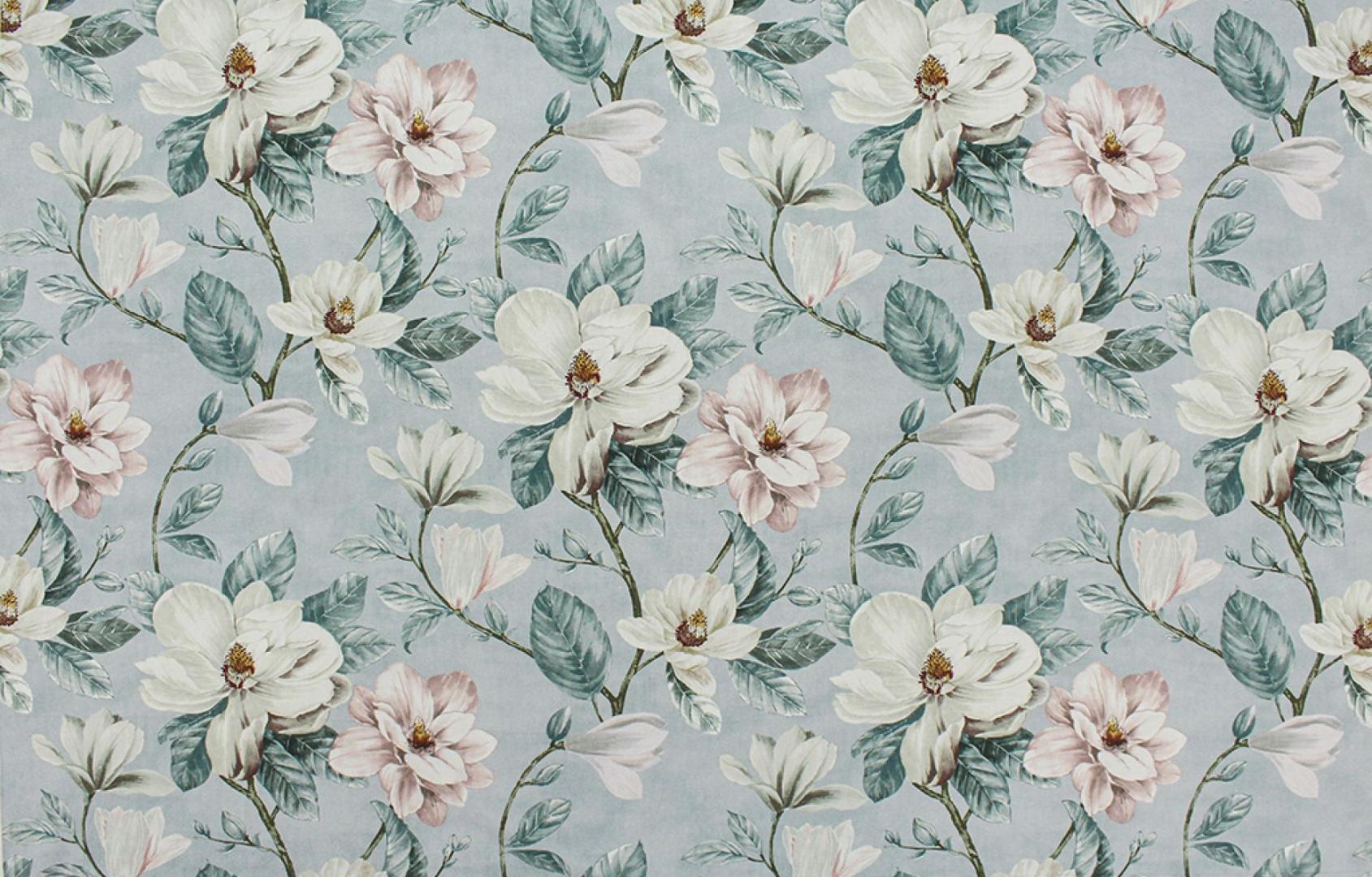
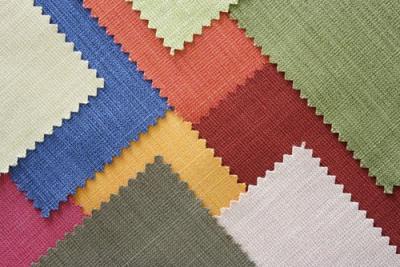
Magnolia Blue Fabric is made of a cotton-polyester blend
Cons of polyester fabric
While polyester has many great qualities, there are a few downsides as well. Here are some things to think about before choosing it for every home project:
-
Breathability: Polyester is less breathable than natural fibers like cotton or linen, which can make it feel warmer, especially in hot climates. It’s not the best choice for fabrics that need to stay cool and ventilated, like bedding during summertime.
-
Feel: While polyester is durable, it doesn’t have the same softness and luxurious feel as natural fabrics like cotton or linen. If you’re looking for something extra cozy for bed linens or a plush throw blanket, polyester might not be for you.
-
Static-Prone: Polyester fabric can attract dust and pet hair due to its tendency to build up static electricity, especially in dry environments. This can be a concern if you have furry pets and want to keep your upholstery or curtains looking fresh.

Polyester fabric vs. Natural fabrics: A comparison
When choosing fabric for your next project, you might wonder how polyester fabric compares to natural fabrics like cotton, linen, or wool. Different types of fabrics have their strengths and weaknesses, and the right choice depends on your specific needs. Here’s a quick look at how polyester compares with some common natural fabrics:
|
Feature |
Polyester Fabric |
Natural Fabrics |
|
Strength & Longevity |
Very durable, resists wear and tear, fading |
Can wear out quicker |
|
Care & Maintenance |
Low-maintenance, machine washable, no ironing needed |
Often needs more care, may require dry cleaning |
|
Color Retention |
Excellent, resists fading and keeps colors vibrant |
It can fade over time with repeated washes |
|
Breathability |
Can trap heat, not as breathable |
Natural fibers breathe better and have a cooler feel |
|
Moisture Resistance |
Water-resistant, repels spills |
Absorbs moisture quickly |
|
Cost |
More affordable |
Natural fabrics are often more expensive |
|
Environmental Impact |
Made from petroleum-based products, recycled polyester (rPET) is an eco-friendlier option |
Biodegradable, naturally sourced |
Different types of polyester fabric
Polyester comes in several types, each suited for different uses like upholstery, curtains, or even activewear. Some kinds are especially durable, others are more eco-friendly, and some are flexible and stretchy. In this section, we’ll take a look at PET, bio-based polyester, PCDT, and recycled polyester (rPET).
PET: Polyethylene terephthalate
PET, or Polyethylene Terephthalate, is the most common type of polyester. It's strong, durable, and resists wear, fading, and stains, making it a great choice for upholstery. PET is also recyclable, which is a plus for anyone looking for more eco-friendly options.

Bio-based polyester options
Bio-based polyester is made from renewable resources, like corn or sugarcane, rather than petroleum. This makes it a more sustainable option compared to regular polyester. It still offers the same strength and low-maintenance benefits, but with less environmental impact. Bio-based polyester is perfect for upholstered dining chairs or throw pillows that need to be both durable and eco-friendly.
PCDT: Polycyclohexylene dimethylene terephthalate
PCDT is a more elastic type of polyester, meaning it has more stretch and flexibility. This means it’s mostly used for clothing, especially for items that need to move with your body, like yoga pants or gym wear. However, you can also use it for stretchy slipcovers or elasticized details for your curtains.

Recycled polyester (rPET)
Recycled polyester (rPET) is made from recycled plastic bottles, making it the most eco-friendly choice. It still has the same strength and durability as regular polyester, but with the added benefit of helping reduce plastic waste. rPET is perfect for throw pillows, curtains, and even outdoor cushions, allowing you to make an eco-conscious choice without giving up on quality.
Common uses for polyester around the house
Polyester can be used in many different ways because it’s durable and easy to care for. It holds up well under daily use and needs little attention, making it a great choice for high-traffic areas. Some popular uses for polyester fabric in your home are:
-
Furniture Slipcovers: Polyester is perfect for furniture slipcovers as it resists tearing, fading, and staining. It protects your sofa or chairs from everyday wear and spills, keeping your furniture looking fresh longer.
-
Curtains and Drapes: Polyester curtains and drapes are wrinkle-resistant, so they are easy to care for. Available in a variety of colors and patterns, they are great for any room in the house, from the living room to the bedroom.
-
Bedding: Polyester is affordable and easy to maintain - a great fabric for comforters, pillows, and sheets. It’s also resistant to fading and shrinking, so your bedding will look great over time with minimal effort.
-
Table Linens: Polyester is stain-resistant and durable, which makes it perfect for tablecloths, placemats, and napkins. It resists spills, and regular washing doesn’t make the color fade.
-
Outdoor Cushions: Polyester is a great fit for outdoor furniture. It can handle the sun, moisture, and dirt, keeping your outdoor spaces comfortable and stylish.
Final verdict: Should you use polyester fabric in your home?
Polyester fabric is a solid choice for anyone looking for affordable, durable, and easy-to-care-for fabrics. If you’re working on home projects like reupholstering your couch or making new curtains, polyester will give you long-lasting results without the high price tag. While it may not have the same softness or breathability as natural fabrics, its strength, low-maintenance qualities, and cost-effectiveness make it a great fit for many home applications.
Ready to start your next project? Explore our wide variety of fabrics to find the perfect match for your home. Whether you’re redoing an entire room or making custom pieces, we have the right materials to bring your ideas to life.
Frequently asked questions
Is polyester better than cotton?
Polyester is more durable and easier to maintain than cotton, as it resists wrinkles, fading, and shrinking. However, cotton is softer and more breathable, making it ideal for warmer climates or those looking for a natural feel.
What does 100% polyester feel like?
100% polyester fabric can feel smooth and slightly stiff, but it is not as soft as natural fibers like cotton or linen. It’s more abrasion-resistant and lightweight, making it a good fit for upholstery and decor.
What is the biggest disadvantage of polyester?
The biggest disadvantage of polyester is its lack of breathability, making it less ideal for hot climates or bedding. It can also feel less soft compared to natural fabrics, which may be a concern for some.
Is polyester a good upholstery fabric?
Yes, polyester is a great choice for upholstery fabric because it is durable, resistant to fading, and easy to clean. It holds up well in high-use areas and is a more affordable option compared to natural fabrics like cotton or linen.
Does 100% polyester upholstery fabric pill?
100% polyester upholstery fabric is less likely to pill than natural fabrics. Over time, pilling can occur with low-quality polyester or fabrics that are frequently rubbed or exposed to friction. Regular care and choosing a high-quality polyester can help prevent this.
How to wash polyester fabric?
Polyester fabric is easy to wash, and it can be machine-washed with cold or warm water on a gentle cycle. To prevent shrinkage and damage, it’s best to air dry or use the low heat setting on your dryer.
Is polyester waterproof?
Polyester itself is water-resistant but not fully waterproof. However, some polyester fabrics are treated with special coatings to make them more waterproof and ideal for outdoor use or rain gear.