Have you ever stood in front of a small window and felt frustrated that every curtain looked wrong? Well, you’re not the only one. Small windows can be tricky to style. Too much fabric looks cluttered, while too little leaves the window looking unfinished. The good news is that there are a few simple ways to make them look like a part of the interior, while keeping their functionality.
In this guide, we tell you about the best window treatments for small windows and let you in on some practical tips and tricks. For detailed information on how to style any window in your home, you can also check out our comprehensive drapery style guide.
Curtains for small windows: Common challenges
Finding curtains for small windows is all about balance. Heavy styles can make the frame feel cramped, while light fabrics may not give enough privacy. Here are the main challenges to consider when making your choice:
-
Maximizing light – The curtain should let in daylight without making the room dark.
-
Getting proportions right – The rod and panels should fit the frame without looking oversized.
-
Ensuring privacy – Privacy is important, especially in spaces like bathrooms, bedrooms, and home offices.
-
Matching your style – The design should work with your décor while improving the look of the window.
-
Keeping things practical – The treatment should be easy to move in rooms where the window is used often.
By knowing these challenges, you can select a window treatment for small windows that is both stylish and functional.
Top 6 window treatments for small windows
It’s true that small windows can be harder to decorate. Every detail, from the fabric and color to the placement, has a big impact on the look. The best window treatments for small windows provide privacy, control light, and improve proportions without looking bulky. From airy sheers that brighten a room to sturdy shutters, these six curtain and blind options suit different styles, budgets, and spaces.
1. Café curtains for small windows
These curtains cover just the lower half of the glass, providing some privacy while still letting daylight in from the top. According to experts at The Spruce, they’re a classic pick for kitchens, bathrooms, breakfast nooks, and casual dining areas where you want the space to feel bright and welcoming. Choose between light cotton, linen, or patterned fabrics to fit your style best.
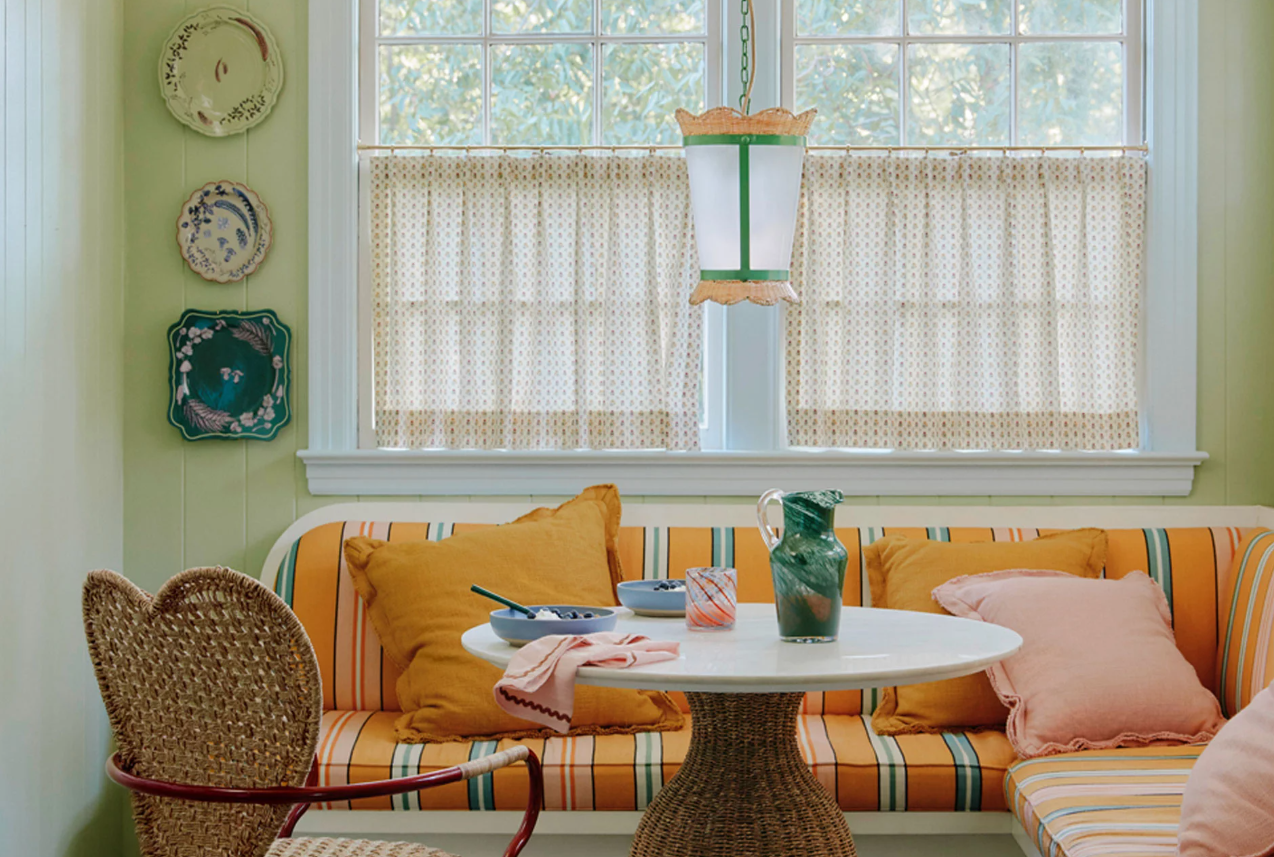
Source: Country and Town House
Pros:
-
Keeps privacy while still letting in light
-
Easy to open and close
-
Brings charm and character to small windows
Cons:
-
Limited light control in sunny rooms
-
Not suited for spaces that need full blackout
Best for: Kitchens and rooms where light is a priority.
2. Inside mount shades for small windows
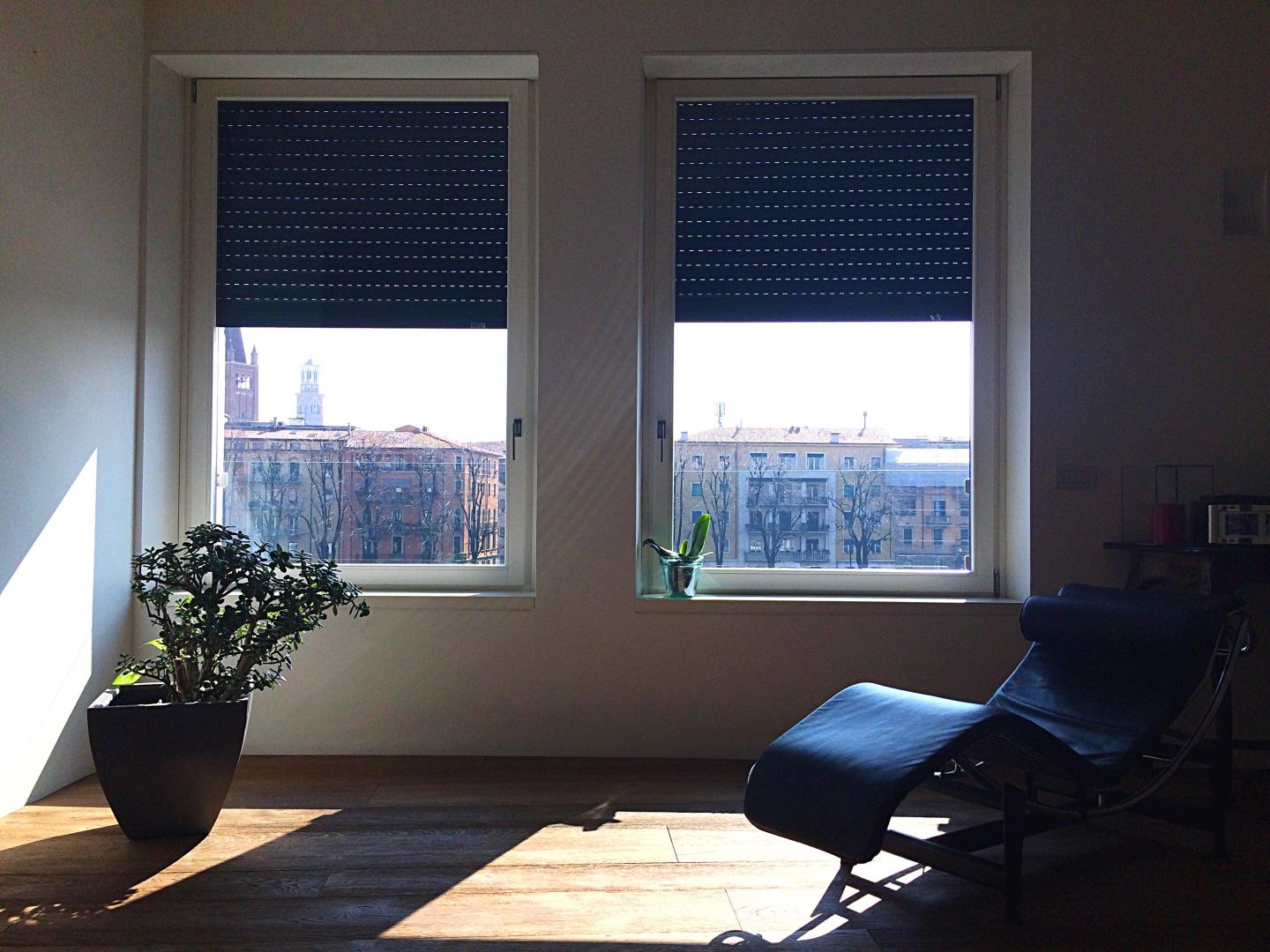
These shades are installed inside the frame, which makes it look as if they’re built into the window. They come in many styles, such as roller, cellular, or Roman, so just choose the option that catches your eye the most. Since they don’t take up any wall space, they’re a great option for small rooms where every bit of space counts.
Pros:
-
Minimalist look that works with any décor
-
Saves wall space for furniture placement
-
Available in many materials and styles
Cons:
-
Needs exact measurements to fit well
-
Size is limited to the inside of the frame
Best for: Small rooms and minimalist interior design.
3. Sheer panels for small windows
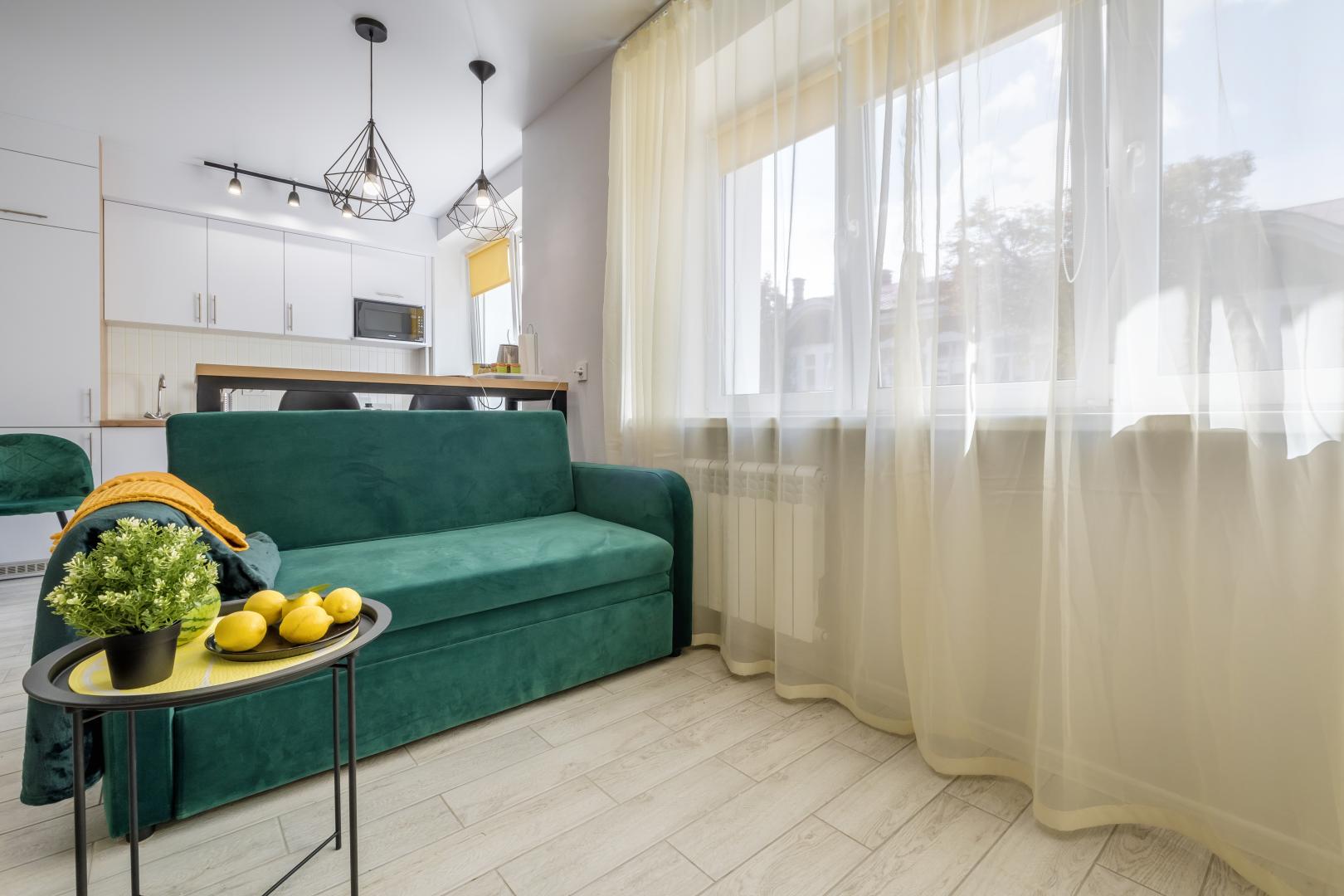
Sheer draperies let sunlight filter through while adding a soft layer of privacy. They’re perfect for making small rooms feel more open and light. They also work well layered with heavier curtains or shades if you want more control over how much light enters through the window. For those who want to add more personality, curtain patterns for small windows, like subtle stripes or florals, are perfect.
Pros:
-
Daylight can enter, but glare is reduced
-
Light and easy to care for
-
Can be used alone or layered with other treatments
Cons:
-
Minimal privacy at night
-
Won’t block light completely
Best for: Living rooms, bedrooms, or sunrooms where you want to keep the space bright without making it look visually heavy.
4. Roman shades for small windows
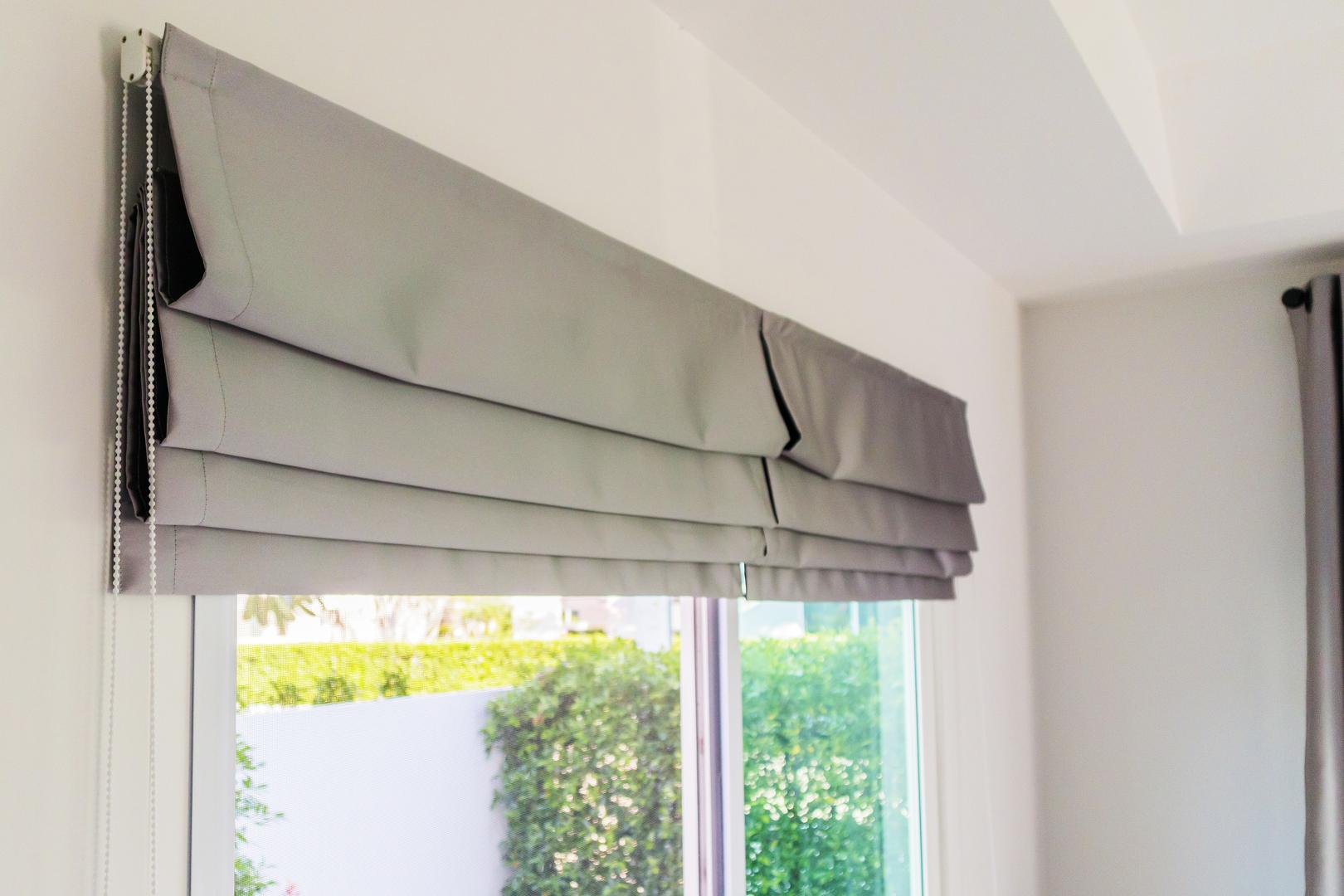
Roman shades are fabric window coverings that fold into soft, even sections when lifted and drop down smoothly when closed. They’re available in a huge variety of fabrics, colors, and patterns, so it’s easy to match them with your room’s style, from simple and casual to more classic. Because they sit close to the glass, they work well in smaller spaces without making the frame feel boxed in.
Pros:
-
Wide range of fabric, color, and pattern options
-
Suits both casual and more traditional spaces
-
Can include a lining for better light control and privacy
Cons:
-
Needs regular dusting or vacuuming to stay clean
-
Can cover part of the glass even when fully raised
Best for: Bedrooms, dining rooms, and living spaces where you want a soft look with a lot of light control.
5. Roller shades for small windows
Roller shades are a simple and modern choice. You can choose whatever fabric you like the most, from light-filtering to full blackout. When rolled up, they tuck neatly into a small tube at the top of the frame, leaving the entire window visible. This makes them a good choice for when you want something easy to use that still gives you control over light and privacy.
Pros:
-
Compact, space-saving design
-
Lots of fabric and light-filtering options
-
Easy to use and clean
Cons:
-
Less decorative than other styles
-
May need layering for texture
Best for: Budget-friendly, modern styles where you want a practical choice.
6. Shutters for small windows
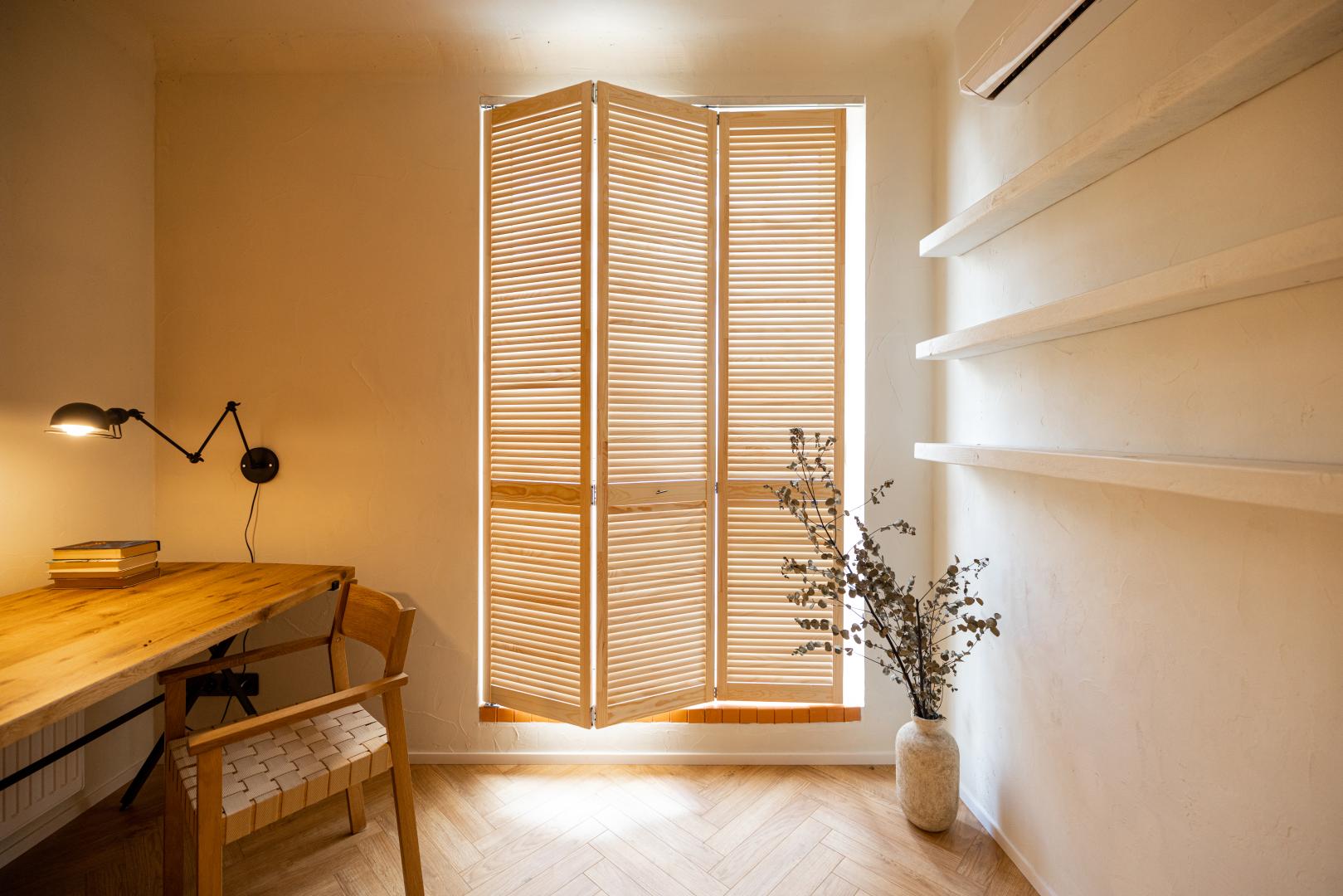
Shutters are a solid, long-lasting option that suits both classic and modern interiors. Typically made from wood or faux wood, they have adjustable louvers that let you control sunlight and privacy easily. Their fitted design adds a custom look that feels like part of the home’s architecture, giving the window more character without adding extra fabric.
Pros:
-
Great control over light and privacy
-
Durable and long-lasting
-
Adds a custom, built-in feature to the room
Cons:
-
More costly than other options
-
Usually needs professional measuring and installation
Best for: Rooms that need a durable, stylish option with easy light and privacy control.
Creative design solutions for small windows
With a few simple design tricks, small windows can look more interesting and even larger. Here’s how to make your curtains or drapes feel like a natural extension of the room rather than an afterthought:
-
Hang curtains higher than the frame – Using long curtains on small windows creates the illusion of height. In fact, designers have said that installing a window treatment at a low height is one of the most common mistakes that makes a room appear smaller.
-
Extend rods beyond the sides – Letting panels stack outside the glass gives the illusion of a wider opening and lets in more light.
-
Choose light, flowing fabrics – Sheers, linens, and lightweight cottons help create a light and open look. If you’re unsure which material works best for your room, check out our guide to the best fabrics for curtains.
-
Match colors to the wall – It’s recommended to choose similar tones across the entire room. This blends the window treatment into the design and makes it feel more spacious.
-
Layer for flexibility – Combine sheer curtains for the day with blackout shades or blinds for night use.
-
Play with patterns – Vertical stripes can make the window look taller, while horizontal stripes can give the impression of more width.
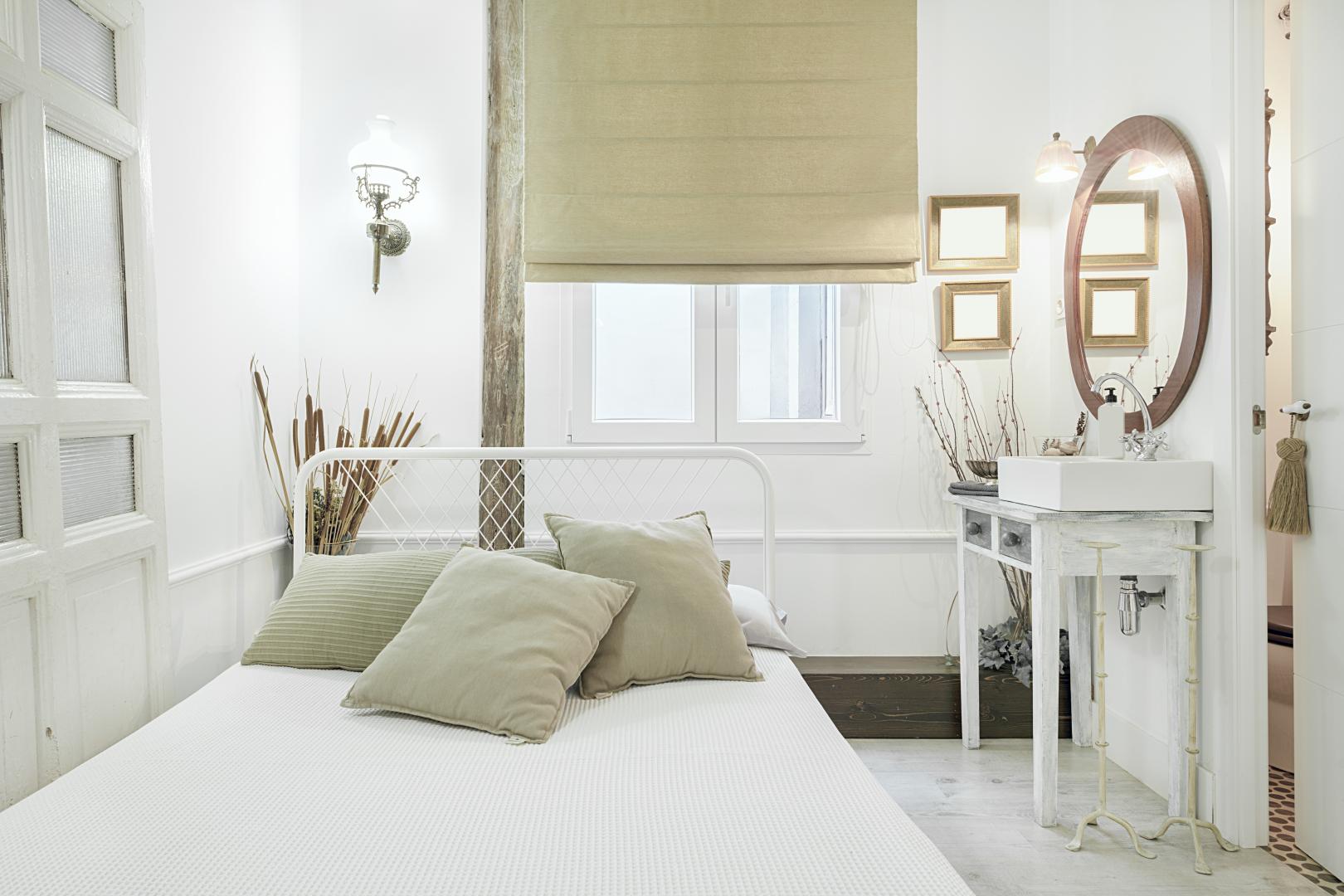
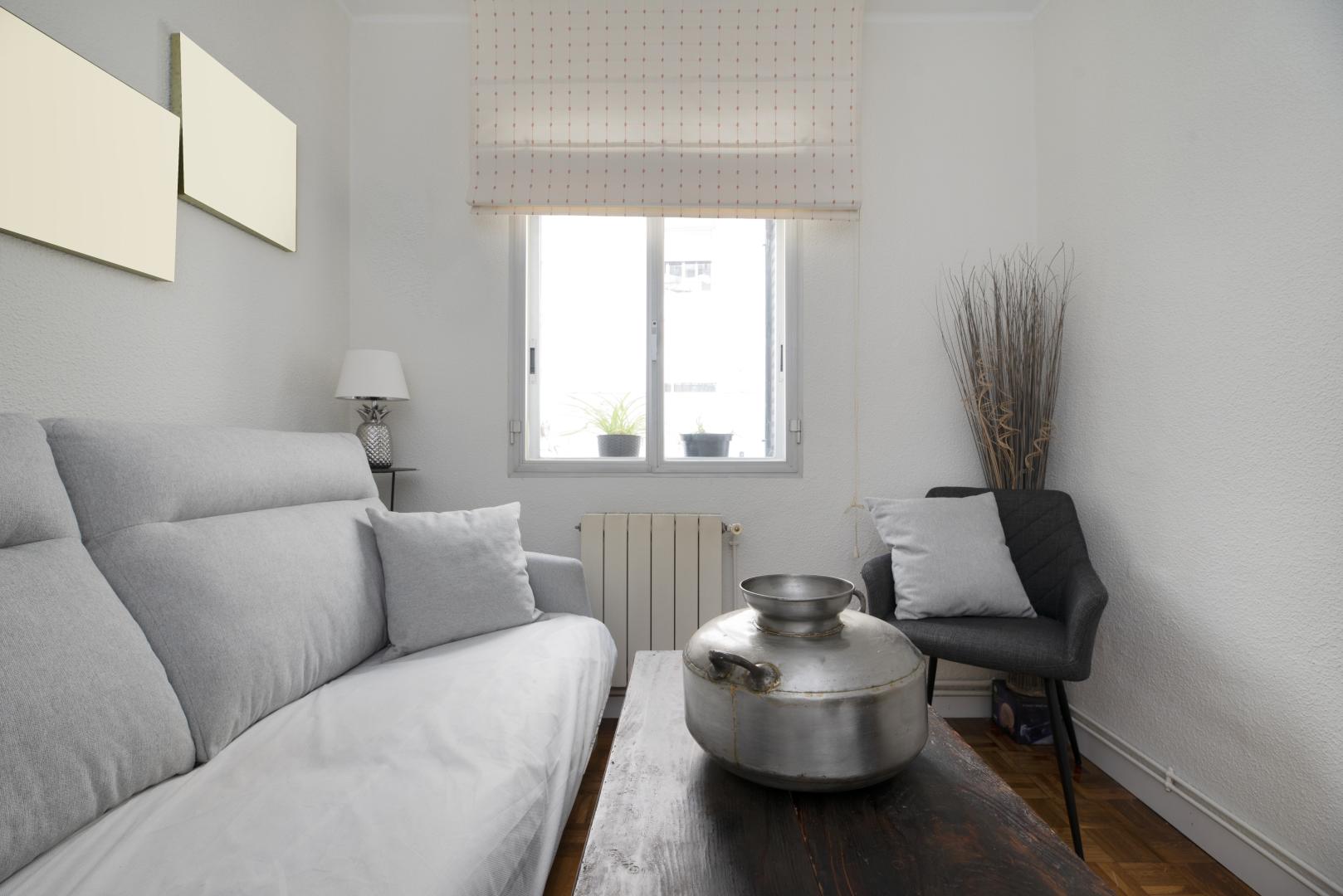
Look at the example below, for instance. Even though the window itself is quite small, it elongates the room. That’s because the fabric is light and blends in with the rest of the design elements. Notice how the shade is mounted higher above the frame than necessary and how it makes the window look taller.
Functional tips for small window curtains
Small windows have a lot of potential once you know how to work with their proportions. Take a look at some functional tips.
-
Go for minimal hardware – Choose slim curtain rods or inside-mount tracks to save space and not make the little window look cluttered.
-
Pick cordless options – Great for small bathroom windows or kids’ rooms, cordless shades look very neat and reduce safety risks.
-
Use double layers – Combine blackout curtains with sheer drapes to control both light and privacy as needed.
-
Consider easy-clean fabrics – In kitchens and bathrooms, go for fabrics that resist moisture and stains, like polyester or vinyl-coated textiles.
-
Use tiebacks or holdbacks – Keep curtains out of the way when you want more light without covering wall space.
-
Think about light control – Think about pairing blinds with curtains for style and better light control.
Once you’ve covered the basics, it’s time to think about each room in your home. Let’s look at what works best for different spaces in the next section.
Small window curtains in different rooms
Small windows appear in every corner of the home, and the right treatment can make each one feel like it belongs in the space. The best approach depends on the room’s needs. You might want more privacy in the bathroom, brightness in the kitchen, or light control in the bedroom. Consider both the function and the style of the window to make sure it works with the room rather than standing out awkwardly. Below, we’ve rounded up expert ideas for each room.
Bathroom curtains for small windows
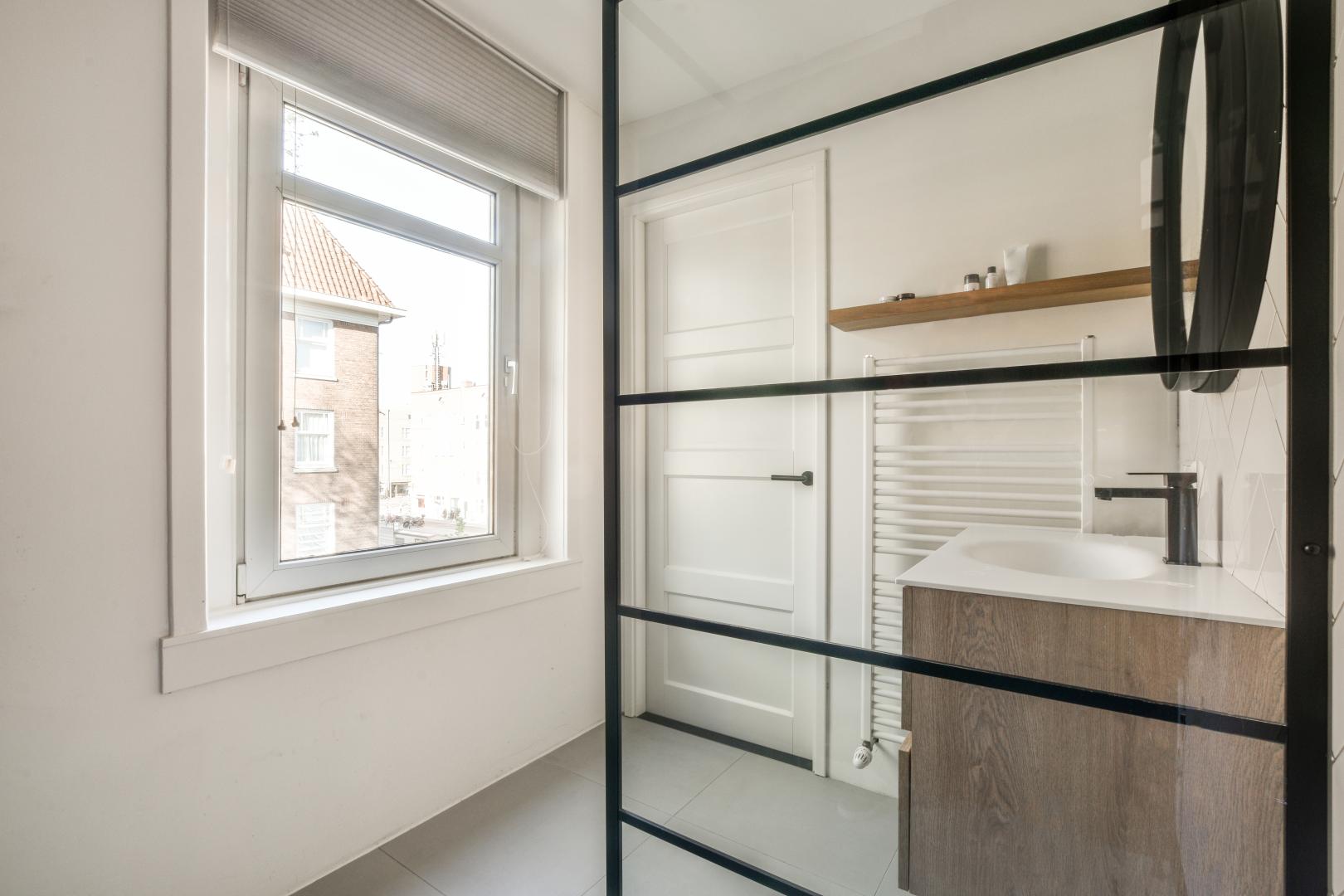
Even if you don’t want to block natural light completely, privacy is probably a priority for bathrooms. Lightweight café curtains, moisture-resistant roller shades, or frosted sheer panels are all great choices for this room. Look for mildew-resistant fabrics to handle humidity and keep the room fresh. A simple, functional design will make the window feel like a natural part of the room and make it appear more spacious.
Tip: Choose moisture-resistant fabrics or synthetic materials to prevent mold and mildew.
Kitchen curtains for small windows
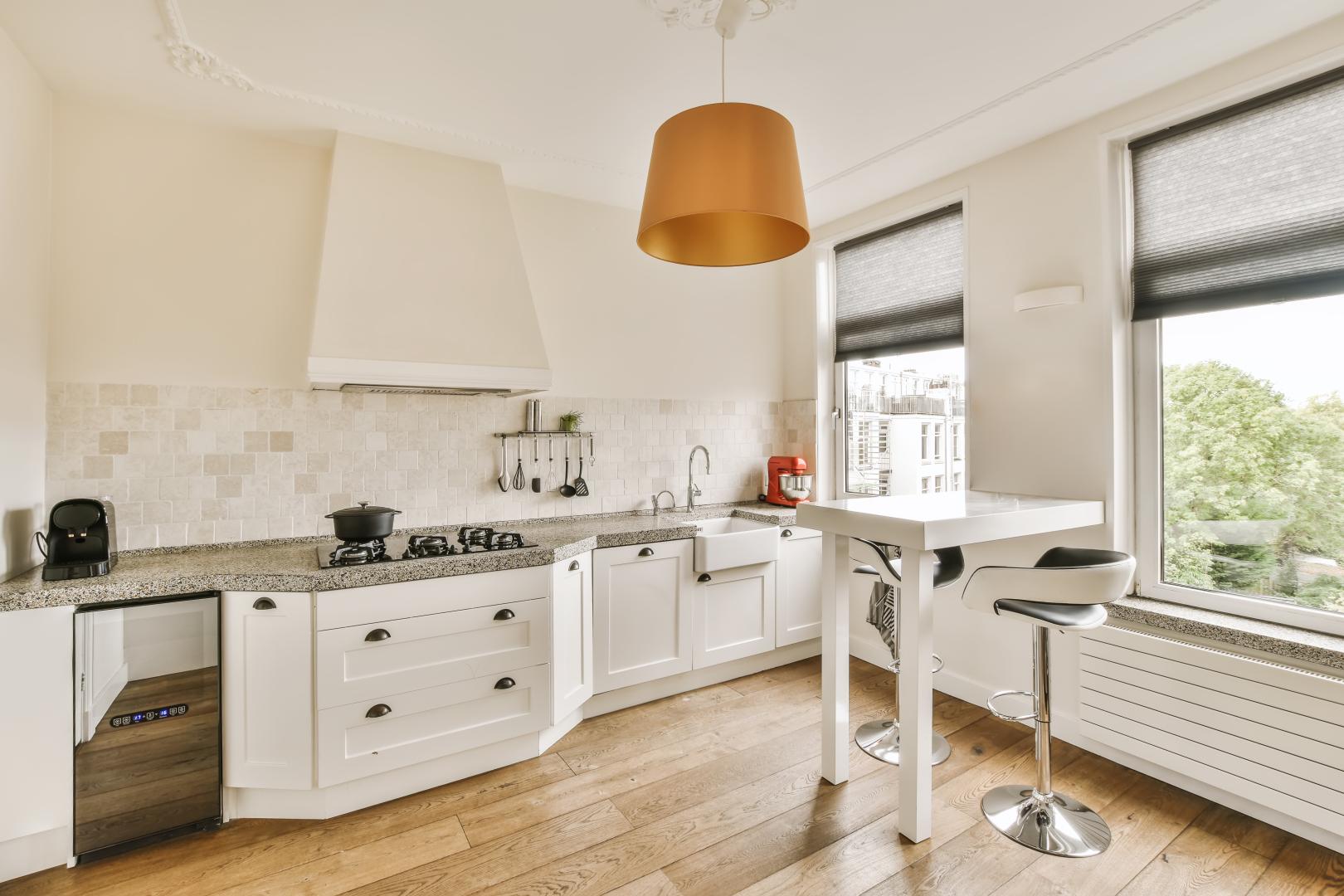
The kitchen is a great place for bright, patterned curtains to add your own personal touch. Café curtains, Roman shades, or light-filtering roller shades are all easy to care for and look good near sinks and cooking areas. Go for fabrics that can handle splashes and steam.
Tip: Pick machine-washable fabrics for easy upkeep in a busy cooking space.
Bedroom curtains for small windows
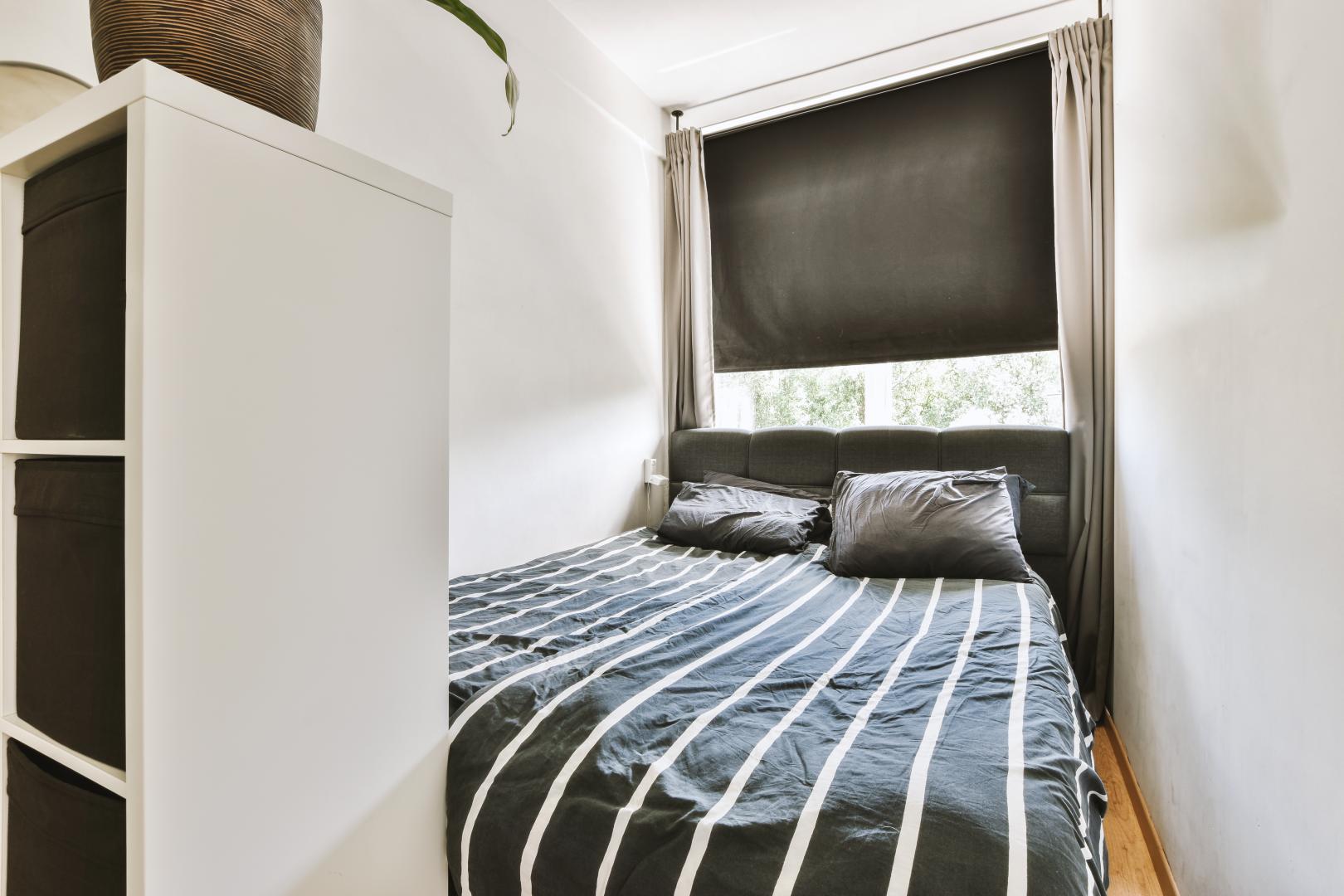
In bedrooms, light control is key, so curtains work best when layered here. For instance, pair blackout curtains or shades with sheer drapes. This setup allows you to enjoy soft daylight during the day and complete darkness at night for better sleep. Consider coordinating colors or patterns with your bedding to tie the window treatment into the overall look of the room.
Tip: Layer sheers and blackout curtains for small windows for maximum light control and privacy.
Living room curtains for small windows
Use window treatments to balance proportions and tie the room together. Longer drapes and curtains hung higher than the frame can create the illusion of taller windows, while light fabrics keep the space open and welcoming. You can also choose a more interesting fabric to add texture and to make the small window feel more like a design feature.
Tip: Mount curtain rods several inches above the frame to make windows appear taller.
Home office curtains for small windows
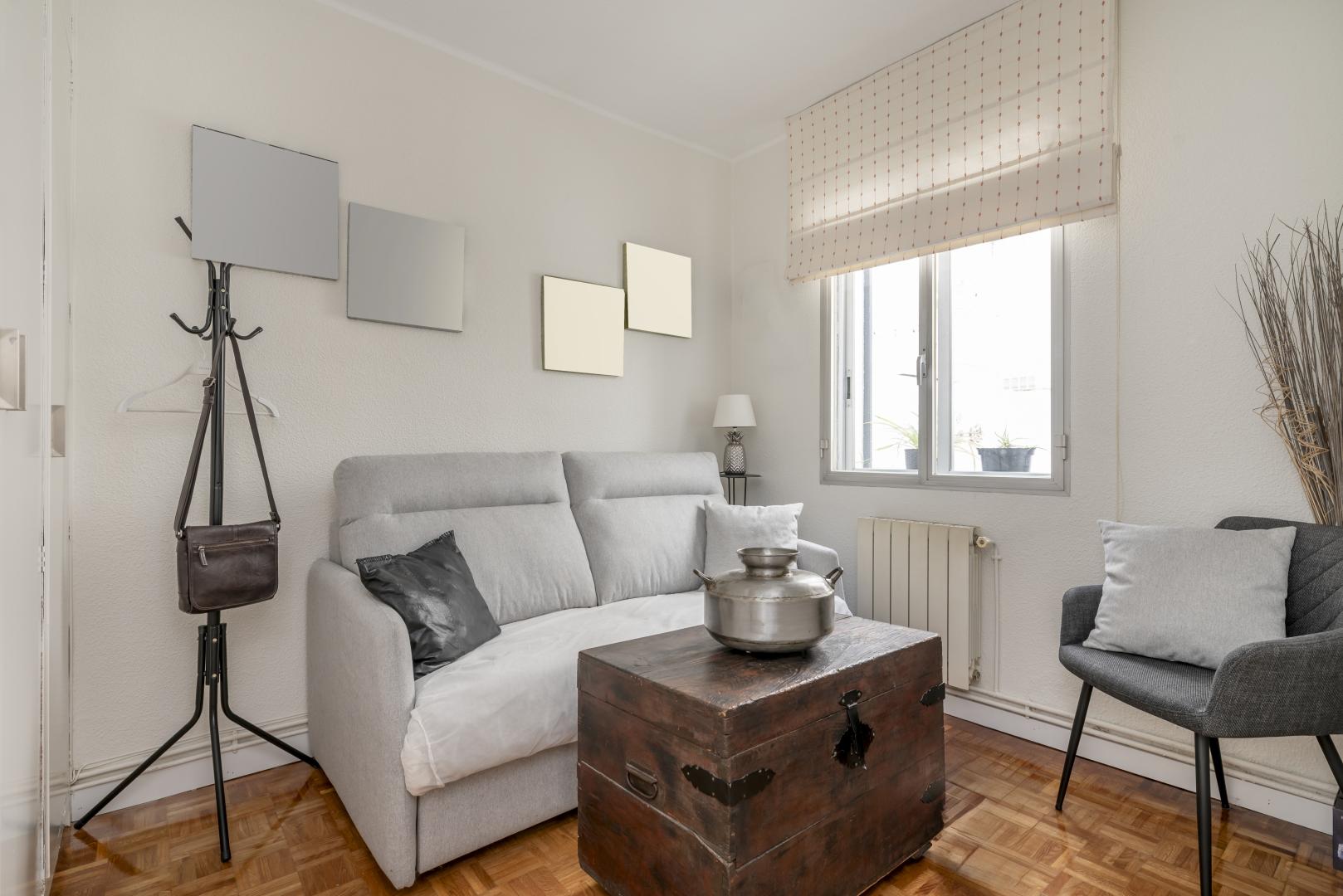
In a home office, one of the main tasks of a window treatment is to minimize glare while keeping the space well-lit. Light-filtering roller shades or Roman shades are great for controlling brightness during work hours without feeling closed in. Pick a style that’s easy to adjust, and it will help you work comfortably throughout the day.
Tip: Use light-filtering fabrics to reduce screen glare without darkening the room.

Attic curtains for small windows
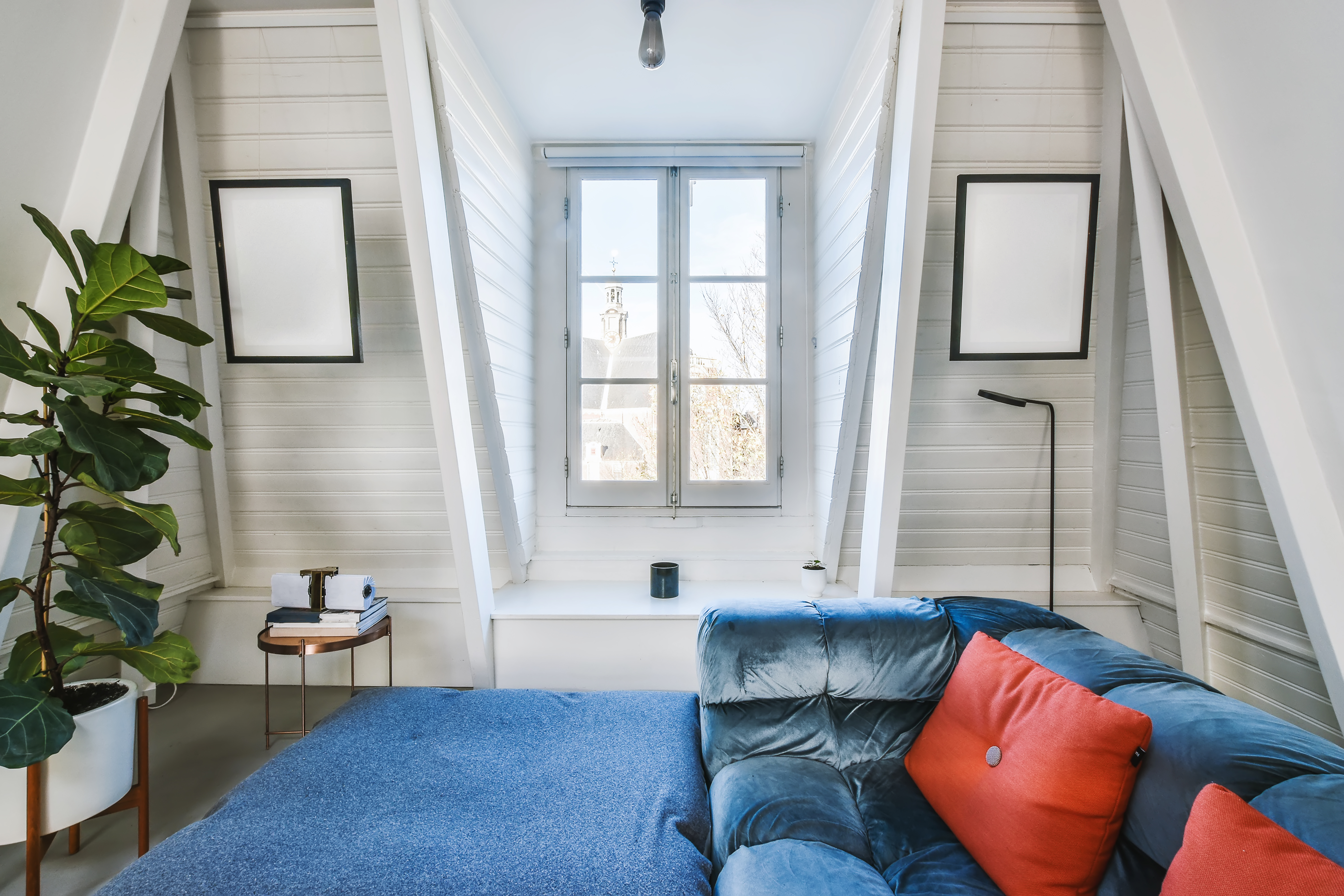
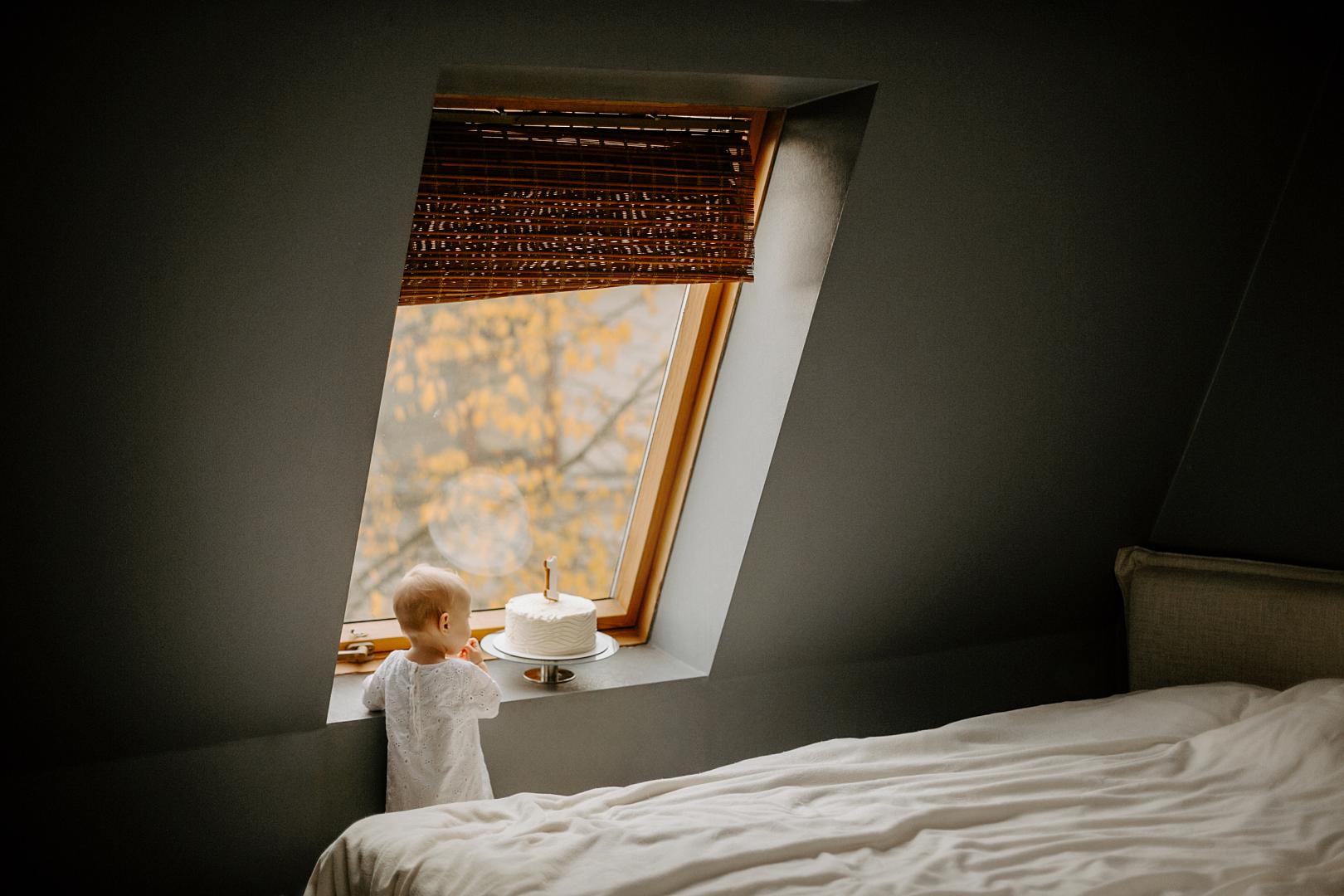
Attics often have awkward or high window placements. Curtains on a small window in these spaces may need custom sizing, inside mounts, or simple roller shades to fit the unique frame. Choose lightweight fabrics to avoid overpowering a compact or sloped ceiling area. A subtle pattern can add interest without making the space feel cramped.
Tip: Opt for inside mounts in tight spaces to keep the window treatment compact.
How to choose the right small window curtains or blinds
Here are a couple of key points to guide you when choosing your next window treatment:
-
Match it to the room’s purpose – Easy-to-clean fabrics are a top choice for kitchens, while bedrooms may need blackout options for better sleep.
-
Choose colors and patterns wisely – Light shades make windows appear larger, while bold patterns can be a great design element in the right interior.
-
Select the right material – From breathable cottons to moisture-resistant synthetics, the right material choice makes all the difference. Take a look at our guide to different fabric types to find out which might be the best option for you.
-
Think about light control – Sheer curtains let soft daylight in, while lined or blackout ones create more privacy and darkness.
-
Consider mounting style – Inside mounts save wall space, while outside mounts can make the window look taller or wider.
For more help picking fabrics that suit your needs, see our guide on the best fabrics for curtains. By combining the right style, material, and fit, you’ll get a small window treatment that works beautifully for years to come.
Final Verdict: What are the best curtains or blinds for small windows?
There are many window treatment ideas for small windows you can pick from, such as shutters, blackout drapes, or sheer layers. Ultimately, the right choice comes down to the room you’re decorating and your needs.
-
For saving space → Inside-mount shades or roller shades keep windows clear without looking bulky.
-
For bedrooms → Roman shades or layered options give you privacy and better light control.
-
For kitchens or casual spaces → Café curtains let in daylight while keeping some privacy.
-
For bright living areas → Sheer panels keep the room light and airy.
-
For long-term durability → Shutters offer strong light control and create a unique design element.
-
For all-around versatility → Layering styles, such as pairing sheers with blackout curtains, provides both function and flexibility.
No matter the choice, the goal is to make small windows feel balanced with the rest of the interior and maintain their functionality. Start exploring our custom window treatment services or browse our wide range of fabrics to find the perfect fit for your space.
Frequently asked questions
How to choose curtains for small windows?
For small windows, choose curtains that enhance proportions without overwhelming the space. Light fabrics like sheers or cottons help keep the room feeling open, while darker shades look more bold. Mount the curtain rod higher to create the illusion of height, and pick a fabric that suits the room’s style while ensuring privacy and light control.
How long should curtains be for small windows?
The curtains should ideally extend a few inches beyond the window frame on each side to create the illusion of a larger window. If you prefer a more dramatic look, floor-length curtains that reach just above the floor can add height and make the room feel taller.
Should you put curtains on small windows?
Yes, curtains can work beautifully on small windows. The trick is to choose lighter fabrics or styles that don’t overwhelm the frame but are still functional
How to make a tiny window look bigger?
Mount the curtain rod higher and extend it wider than the window frame. This lets the fabric stack outside the glass, giving the illusion of height and width.
How to brighten a room with a small window?
Choose sheer curtains, light-colored fabrics, or blinds that filter daylight instead of blocking it. Keeping the treatment minimal allows as much natural light as possible to enter.
What curtains look best in small windows?
Roman shades, café curtains, and roller shades are great options that don’t look bulky. Sheer panels also work well if you want to keep the space airy.