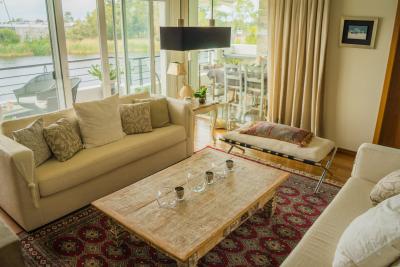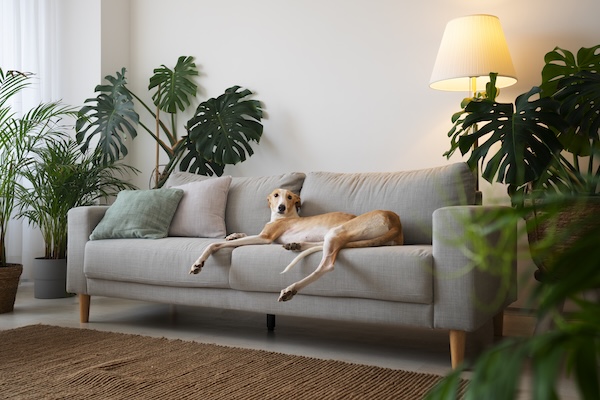
Custom couch cushions are one of the best ways to fix a saggy seat and make your home feel new without buying a whole new sofa. You should pick out your foam inserts first because the foam is what supports your weight and keeps you from feeling the hard frame underneath. Once you know how firm you want the seat to be, you can pick a fabric and color that matches your style.
-
Fabric: High-performance synthetics and heavy-duty upholstery weaves resist stains and daily wear. Natural fibers like cotton provide a breathable, organic feel.
-
Style: Match the design of your room. Use velvet fabrics for a luxurious look or choose simple cushions for a minimalist furniture refresh.
-
Foam: Choose a high-quality foam to make sure your custom-made sofa cushions do not go flat after just a few months.
In this article, we look at why your existing furniture is likely a hidden gem and help you navigate the technical choices of foam and fabric to make your sofa feel better than the day you bought it.
The problem: That "sinking feeling"
We've all experienced it: that specific moment when you sit down on your favorite couch and realize you are sinking much deeper than you used to. This is usually when people start looking at new furniture catalogs. But before you spend thousands on a brand-new sectional, you should know why your current one is "sinking."
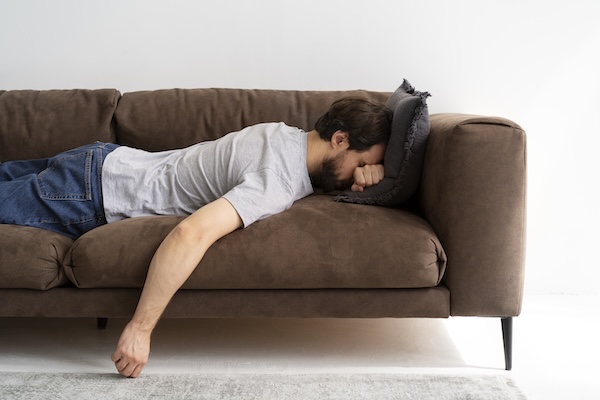
It is rarely because the frame is broken. Instead, the foam inside the cushions has simply worn out. Most store-bought sofas use budget foam that loses its bounce after just a couple of years, so by choosing a custom couch cushion replacement, you are effectively replacing the most important part of your sofa.
The signs that cushion foam is the real problem
How can you tell if the foam is the issue? First, check the "rebound." If you get up and the cushion stays squashed down for a long time, the foam is worn out. Second, check the thickness of it. If you can feel the wood or the springs when you sit, the foam is too thin or too soft. ZIP Cushions also suggests simply paying attention to how comfortable the couch feels and if you’re not experiencing any back or neck pain. If the couch itself does not squeak, wobble, or lean to one side, your frame is alright. You just need new cushions.
Old frames vs. “fast furniture”
The furniture industry has changed significantly over the last decade. Much like "fast fashion," we now live in an era of "fast furniture." Many brand-new sofas sold today are constructed with particle board, staples, and low-density foam designed to last only 2 to 3 years. If you have a sofa from five, ten, or fifteen years ago, you likely have a frame made of kiln-dried hardwood or reinforced steel. Choosing to restore an older, high-quality frame with custom-made couch cushions and high-quality foam is actually a massive upgrade compared to buying a "cheap" new sofa that will likely end up in a landfill before the decade is out.
Custom sofa cushions vs. buying a new couch
A brand-new, high-quality sofa in today's market can easily cost between $3,000 and $7,000. For a fraction of that price, you can equip your existing frame with custom-made sofa cushions that feature premium, industrial-grade materials.

-
Lower Cost: Custom cushions are much cheaper than a new high-end sofa.
-
Better Longevity: Replace the worn-out foam with high-density foam inserts.
-
Superior Build: Preserve sturdy older frames rather than settling for the particle board used in modern "fast furniture."
-
Sustainable Choice: Lower your carbon footprint by eliminating the manufacturing and shipping of new, bulky furniture.
Choosing restoration over replacement is a powerful environmental statement. You are keeping quality materials in circulation and avoiding the waste cycle that defines modern consumer culture.
The anatomy of a perfect cushion
To get a "designer" result, you have to look at what is happening beneath the fabric. A professional-grade cushion is a carefully engineered "sandwich" of three distinct layers:
- The Core (Support): This is the layer where you decide your "sit." Foam inserts are the gold standard because high-density versions retain their shape for 10 to 15 years, according to Stamps Home Furniture, compared to the 2 to 3 years you might get from a budget retail sofa.
- The Wrap (Comfort & Shape): To prevent the cushion from looking like a blocky piece of gym equipment, it is wrapped in a softer material. This softens the edges and helps the fabric fit snugly without wrinkling.
- The Fabric (Protection & Style): This is the visible layer that handles friction, sunlight, and spills. Because you are going custom, you can choose custom couch cushion covers with much higher double-rub counts than what is found in a typical furniture store.
Best fabric for custom cushions
Fabric selection affects durability, comfort, and maintenance. The best fabric for custom-made couch cushion covers depends on how you use the furniture and if you prioritize stain resistance, softness, durability, or style.
1. Performance fabric for custom cushions
Performance fabrics are made for high-traffic environments. They resist stains, moisture, and fading better than untreated options. Sunbrella fabric is solution-dyed acrylic, meaning the color goes all the way through the fiber. It resists fading, moisture, and mildew. Most spills wipe off with soap and water. It's ideal for custom outdoor couch cushions, but it also works well indoors for maximum durability.
Crypton fabric resists stains, odors, and bacteria. It's a strong choice for indoor seating that gets daily use, especially in homes with kids or pets.
Best for: Families with kids or pets, outdoor seating, high-traffic living rooms.
2. Microfiber fabric for custom cushions
Microfiber fabric is a tightly woven and soft synthetic material. This stain-resistant upholstery fabric is one of the most practical choices for families with kids or pets. Microfiber repels liquids better than cotton or chenille, and most stains wipe off with a damp cloth.
Microfiber is durable and affordable. It's rated for high abrasion resistance, so it holds up well to daily wear. It doesn't fade as quickly as natural fibers, but it can also feel more synthetic in comparison.
Best for: High-traffic family rooms, homes with kids or pets, budget-conscious projects.
3. Velvet fabric for custom cushions
Velvet fabric is soft and works well for low-traffic seating or decorative accent pieces. Most upholstery-grade velvets are polyester blends with decent abrasion resistance, but they're not ideal for high-use sofas or homes with pets. Velvet has a luxurious feel, rich colors, and catches light in a way that makes a room feel more elegant.
The downside of velvet is that it shows marks and can crush under heavy use. If you sit in the same spot every day, you'll see wear patterns after some time. It also attracts pet hair and requires regular vacuuming.
Best for: Formal living rooms, accent chairs, low-traffic seating.
4. Cotton fabric for custom cushions
Cotton fabric is breathable, affordable, and available in endless patterns. It's a reliable mid-weight choice that works in almost any climate. Cotton is easy to clean, as most cotton upholstery fabric is machine washable. It has a soft, lived-in feel that works well in family rooms, guest rooms, and casual seating areas. Cotton blends (cotton mixed with polyester or linen) add durability and reduce wrinkling.
Pure cotton can fade with sun exposure and isn't as stain-resistant as performance fabrics. If you choose cotton for your custom-made sofa cushion covers, look for treated or blended options that add some protection.
Best for: Guest rooms, casual family seating, budget-friendly projects.
5. Chenille fabric for custom cushions
Chenille fabric has a soft and fuzzy texture. It's made by weaving short lengths of yarn into a fabric base, which creates a raised pile. Chenille is durable enough for everyday use, especially if it's a polyester or acrylic blend. It holds up better than pure cotton and doesn't pill as easily as some synthetic fabrics. It's a good middle-ground option if you want softness without sacrificing durability the durability needed for custom sofa cushion covers.
Note that it requires regular vacuuming. It's also not as stain-resistant as performance fabrics, so spills need to be cleaned quickly.
Best for: Sofas and chairs that get regular use but aren't exposed to heavy spills or outdoor conditions.
Step-by-step guide: How to measure for custom cushions
Accurate measurements are extremely important when ordering custom-sized sofa cushions. If the dimensions are off, the cushion won't fit properly, and you'll end up with gaps, overhang, or a sloppy appearance.
- Measure the width. Use a tape measure to record the width of the cushion at the widest point. Measure from edge to edge, not just the top surface. If the cushion tapers, measure both the top and bottom width and note both dimensions.
- Measure the depth. Measure from the front edge to the back edge at the deepest point. Again, if the cushion tapers or has a curved back, measure both the top and bottom depth.
- Measure the height. Measure the thickness of the cushion from the bottom to the top. If the cushion is compressed or misshapen, measure the furniture frame instead. The height should reflect the desired finished thickness, not the current flattened state.
- Check for taper. Many cushions are wider at the back than the front, or thicker in the center than at the edges. If your cushion tapers, note the difference. This helps to create custom-cut couch cushions that fit the frame correctly.
- Create a template for odd shapes. For custom bench cushions, window seat cushions, or any non-rectangular shape, trace the outline onto cardboard or kraft paper. Cut it out and test the fit before ordering. Include reference photos from multiple angles.
- Double-check your measurements. Measure twice to catch any errors. It's easier to fix a mistake before the build starts than to reorder later.

If you're unsure whether your measurements are accurate or wondering where to get custom cushions made, bring the template or photos to a local shop for verification. Most shops, including Fabric Mill in Plainview, Long Island, offer in-person consultations to ensure you get the right fit.
Conclusion: Should you choose custom cushions or buy new?
The right choice depends on your lifestyle and the specific needs of your space.
-
Choose custom couch cushions if: You have a solid furniture frame, you want to lower your environmental impact, or you need a specific level of firmness that standard retail sofas do not provide. Investing in custom-made sofa cushions allows you to preserve the "bones" of your furniture while enjoying a seating surface that outperforms anything found in a big-box store.
-
Choose a new couch if: Your current frame is made of thin particle board, the internal springs are snapped, or the actual size of the piece no longer fits your home’s layout.
Refreshing your furniture with custom replacement couch cushions is a great way to upgrade your quality of life while honoring the craftsmanship of your existing home. Explore our collection of fabrics and custom cushion services today to get your project started.
Frequently asked questions
Where to buy custom outdoor cushions?
You can buy custom outdoor cushions from local upholstery shops, specialty fabric stores, or online retailers that offer made-to-order options. Look for shops that carry Sunbrella or other UV-resistant performance fabrics. If you're in the Long Island area, Fabric Mill in Plainview specializes in custom outdoor sofa cushions with waterproof materials.
What is the most durable fabric for upholstery?
The most durable upholstery fabric is typically a performance fabric like Sunbrella or Crypton, or a heavy-duty synthetic blend rated for 30,000+ double rubs. Microfiber is also highly durable and stain-resistant. For outdoor use, Sunbrella is the gold standard because it resists fading, moisture, and mildew better than any other option.
How much do custom cushions cost?
The cost of custom cushions varies based on size, foam density, and fabric choice. Complex shapes, custom-cut foam sofa cushions, extra wrap, or decorative details like welting or piping also increase the price; however, it’s still generally cheaper than a brand-new couch. Request a quote from your local shop for an accurate estimate based on your specific needs.
How long do custom cushions take to make?
It depends on the complexity of the project and fabric availability. Simple rectangular custom sofa seat cushions or custom sofa back cushions with standard foam and in-stock fabric are on the faster end. Complex shapes, custom-cut foam for couch cushions, specialty fabrics, or custom dye lots take longer. If you're ordering during peak season (spring and summer for custom-made outdoor sofa cushions), expect longer lead times.
What density foam should I choose for custom cushions?
For daily-use seating, choose custom couch cushion foam between 1.8 and 2.5 lbs per cubic foot. If the sofa gets heavy use or you prefer firmer support, go with 2.0 lbs or higher. For decorative accent chairs or occasional-use seating, 1.5 to 1.8 lbs works fine. If you're unsure, describe how you use the furniture and ask your fabricator to recommend the best foam density for your custom foam cushions for the couch.